

The viscosity of materials plays a crucial role in the performance and functionality of an extruder barrel. As a leading extruder barrel supplier, we've witnessed firsthand how material viscosity can significantly impact the extrusion process. In this blog, we'll delve into the various aspects of how material viscosity influences an extruder barrel.
Understanding Material Viscosity
Before discussing its influence on the extruder barrel, it's essential to understand what material viscosity is. Viscosity refers to a fluid's resistance to flow. In the context of extrusion, materials such as plastics, polymers, and rubber exhibit different viscosities depending on their chemical composition, temperature, and shear rate. High - viscosity materials flow less easily and require more force to move, while low - viscosity materials flow more readily.
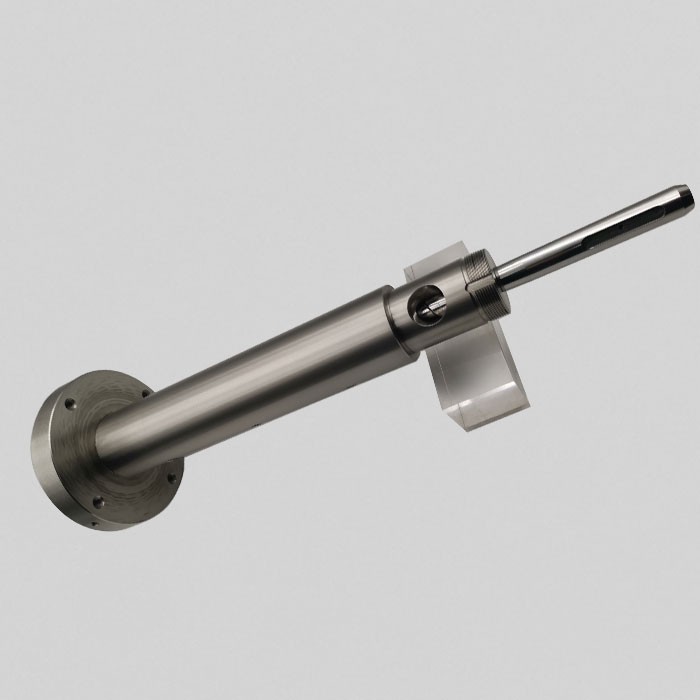
Impact on Extrusion Pressure
One of the most direct effects of material viscosity on an extruder barrel is the change in extrusion pressure. High - viscosity materials demand higher pressure to be pushed through the barrel and die. This increased pressure places greater stress on the inner walls of the extruder barrel. Our Extruder Nitrided Steel Barrel is designed to withstand such high - pressure conditions. The nitriding process enhances the surface hardness of the barrel, making it more resistant to wear and deformation caused by the high - pressure extrusion of viscous materials.
On the other hand, low - viscosity materials require less pressure for extrusion. This results in lower stress on the barrel walls. However, it's important to note that maintaining proper pressure control is still crucial for a consistent extrusion process, even with low - viscosity materials.
Effect on Heat Generation
Material viscosity also has a significant impact on heat generation within the extruder barrel. When high - viscosity materials are forced through the barrel, more energy is required to overcome their resistance to flow. This energy is converted into heat, leading to a rise in the temperature inside the barrel. Excessive heat can cause thermal degradation of the material, affecting its quality and properties. To address this issue, our Extruder Bimetallic Barrel is an excellent choice. The bimetallic construction allows for better heat transfer and dissipation, helping to maintain a stable temperature during the extrusion of high - viscosity materials.
In contrast, low - viscosity materials generate less heat during extrusion. However, in some cases, additional heating may be required to ensure proper melting and flow of the material. The extruder barrel must be equipped with efficient heating and cooling systems to regulate the temperature according to the material's viscosity requirements.
Wear and Tear on the Barrel
The viscosity of the material being extruded can greatly affect the wear and tear of the extruder barrel. High - viscosity materials tend to cause more abrasion on the barrel's inner surface. As these materials flow through the barrel, they can scrape against the walls, leading to surface damage over time. Our Extrusion Barrel is engineered with high - quality materials and advanced manufacturing techniques to minimize wear. The use of wear - resistant alloys and precise machining ensures a long service life, even when processing high - viscosity materials.
Low - viscosity materials generally cause less wear on the barrel. But, factors such as the presence of fillers or additives in the material can still contribute to some degree of abrasion. Regular inspection and maintenance of the barrel are necessary to ensure optimal performance, regardless of the material's viscosity.

Impact on Screw Design and Function
Material viscosity also influences the design and function of the screw inside the extruder barrel. For high - viscosity materials, a screw with a larger flight depth and a lower compression ratio may be required. This design allows for better conveyance and melting of the viscous material. The screw must be able to generate enough pressure to push the material through the barrel without causing excessive back - flow.
In the case of low - viscosity materials, a screw with a smaller flight depth and a higher compression ratio may be more suitable. This design helps to maintain the pressure and flow rate of the material. The interaction between the screw and the barrel is crucial, and the barrel must be compatible with the screw design to ensure efficient extrusion.
Influence on Extrusion Output and Quality
The viscosity of the material can have a direct impact on the extrusion output and quality. High - viscosity materials may require slower extrusion speeds to ensure proper melting and mixing. This can result in a lower output rate. However, with the right extruder barrel and screw design, it's possible to optimize the process and achieve a reasonable output.
The quality of the extruded product is also affected by material viscosity. Inconsistent viscosity can lead to uneven flow, resulting in defects such as surface roughness, voids, or variations in dimensions. Our extruder barrels are designed to provide a uniform and stable flow of material, regardless of its viscosity, ensuring high - quality extruded products.

Considerations for Different Materials
Different materials have different viscosity characteristics, and it's important to consider these when choosing an extruder barrel. For example, thermoplastics like polyethylene and polypropylene have relatively low viscosities at processing temperatures. They require a barrel that can provide efficient heating and a screw design that can handle the low - viscosity flow.
On the other hand, engineering plastics such as polycarbonate and polyamide have higher viscosities. These materials need a more robust extruder barrel that can withstand the high pressures and temperatures associated with their extrusion.
Conclusion
In conclusion, material viscosity has a profound influence on an extruder barrel. It affects the extrusion pressure, heat generation, wear and tear, screw design, extrusion output, and product quality. As an extruder barrel supplier, we understand the importance of providing barrels that are tailored to the specific viscosity requirements of different materials. Our Extruder Nitrided Steel Barrel, Extruder Bimetallic Barrel, and Extrusion Barrel are designed to meet the diverse needs of the extrusion industry.
If you're in the market for high - quality extruder barrels and need expert advice on how to choose the right one for your specific material viscosity, we're here to help. Contact us to start a procurement discussion and find the perfect solution for your extrusion needs.
References
- Tadmor, Z., & Gogos, C. G. (2006). Principles of Polymer Processing. Wiley - Interscience.
- Rauwendaal, C. (2014). Polymer Extrusion. Hanser Publishers.