

In the realm of injection molding, the injection screw barrel stands as a cornerstone component, playing a pivotal role in the manufacturing process. As a trusted supplier of injection screw barrels, I understand the critical importance of precision and quality in this field. One of the most frequently asked questions by our customers is about the standard tolerance for an injection screw barrel. In this blog post, I'll delve into this topic in detail, exploring the factors that influence tolerance, the significance of maintaining proper tolerance, and the industry standards that guide our production.
Understanding Tolerance in Injection Screw Barrels
Tolerance, in the context of injection screw barrels, refers to the allowable deviation from a specified dimension. It is a measure of how precisely a screw barrel is manufactured to meet the design requirements. A well - manufactured injection screw barrel with tight tolerances ensures consistent performance, high - quality molded products, and efficient operation of the injection molding machine.
Factors Influencing Tolerance
Several factors can influence the standard tolerance for an injection screw barrel. Material properties are a primary consideration. Different materials, such as alloy steels, bimetallic materials, and Sintered Hard Alloy Barrel for Injection Molding Machine, have distinct characteristics that affect their machinability and dimensional stability. For example, sintered hard alloy barrels are known for their high hardness and wear resistance, but they may require more precise machining to achieve the desired tolerances due to their brittleness.
The design of the injection molding process also plays a crucial role. The type of plastic resin being processed, the injection pressure, and the cycle time all impact the tolerance requirements. High - viscosity plastics may require a more precise fit between the screw and the barrel to ensure proper melting and flow, while high - pressure injection processes demand barrels with tighter tolerances to prevent leakage and maintain consistent pressure.
Significance of Maintaining Proper Tolerance
Maintaining proper tolerance in an injection screw barrel is essential for several reasons. Firstly, it directly affects the quality of the molded products. A barrel with incorrect tolerances can lead to issues such as uneven wall thickness, flash, and poor surface finish. These defects not only reduce the aesthetic appeal of the products but also compromise their functionality and structural integrity.
Secondly, proper tolerance is crucial for the efficiency of the injection molding process. An injection screw barrel with tight tolerances ensures smooth and consistent movement of the screw, reducing friction and wear. This, in turn, extends the service life of the barrel and the screw, minimizing downtime for maintenance and replacement. Additionally, it helps to optimize the energy consumption of the injection molding machine, leading to cost savings in the long run.
Industry Standards for Injection Screw Barrel Tolerance
The injection molding industry has established certain standards for the tolerance of injection screw barrels. These standards are based on years of research, experience, and best practices, and they serve as a benchmark for manufacturers to ensure the quality and compatibility of their products.
Dimensional Tolerances
One of the key aspects of tolerance is the dimensional accuracy of the screw barrel. The inner diameter (ID) of the barrel is a critical dimension, as it directly affects the fit between the screw and the barrel. Industry standards typically specify a tolerance range for the ID, which can vary depending on the size of the barrel. For example, for smaller - diameter barrels, the tolerance may be in the range of ±0.01 mm to ±0.03 mm, while for larger - diameter barrels, it may be slightly higher, around ±0.05 mm.
The outer diameter (OD) of the barrel also has specific tolerance requirements. The OD tolerance ensures proper installation and alignment of the barrel within the injection molding machine. It helps to prevent issues such as misalignment, which can lead to uneven stress distribution and premature wear of the barrel.
Surface Finish Tolerances
In addition to dimensional tolerances, surface finish is another important factor in injection screw barrels. The inner surface of the barrel should have a smooth finish to facilitate the flow of the molten plastic. Industry standards often specify a maximum roughness value for the inner surface, typically in the range of Ra 0.4 - 0.8 μm. A smooth surface finish reduces friction between the plastic and the barrel, improving the melting and mixing efficiency of the plastic resin.
Straightness and Concentricity Tolerances
Straightness and concentricity are crucial for the proper functioning of the injection screw barrel. A barrel that is not straight or concentric can cause the screw to wear unevenly, leading to reduced performance and increased energy consumption. Industry standards define the allowable deviation from straightness and concentricity, usually in the range of a few micrometers per unit length.
Our Approach as an Injection Screw Barrel Supplier
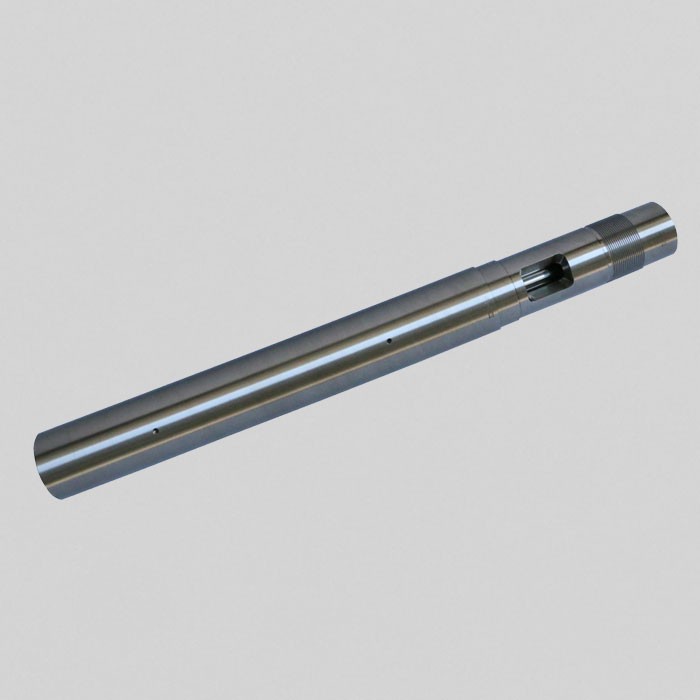
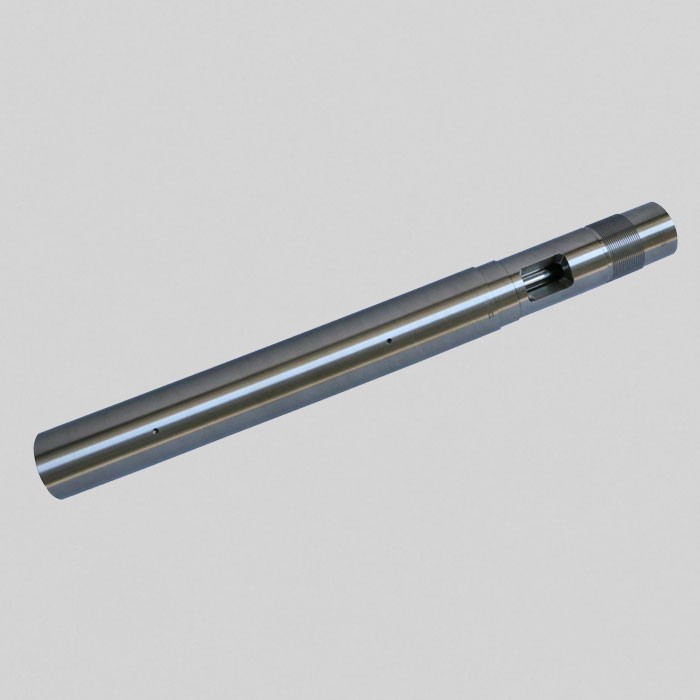
As a leading supplier of Injection Screw Barrel, we are committed to meeting and exceeding the industry standards for tolerance. Our manufacturing process is designed to ensure the highest level of precision and quality in every injection screw barrel we produce.
Advanced Manufacturing Technologies
We utilize state - of - the - art manufacturing technologies, such as CNC machining and precision grinding, to achieve tight tolerances. Our CNC machines are programmed to precisely control the cutting tools, ensuring accurate dimensional machining of the screw barrels. The precision grinding process further refines the surface finish and dimensional accuracy of the barrels, meeting the strictest industry standards.
Quality Control Measures
Quality control is an integral part of our production process. We have a comprehensive quality control system in place, which includes multiple inspection points throughout the manufacturing process. Our quality control team uses advanced measuring instruments, such as coordinate measuring machines (CMMs) and surface roughness testers, to verify the dimensional accuracy and surface finish of the injection screw barrels. Only products that meet our stringent quality standards are released for delivery.
Customization
We understand that different customers may have unique requirements for their injection molding processes. That's why we offer customization services for our injection screw barrels. Whether it's a special material, a non - standard size, or a specific tolerance requirement, our engineering team can work closely with you to design and manufacture a solution that meets your exact needs.
Conclusion
In conclusion, the standard tolerance for an injection screw barrel is a critical factor that affects the quality, efficiency, and performance of the injection molding process. By understanding the factors that influence tolerance, adhering to industry standards, and utilizing advanced manufacturing and quality control techniques, we can ensure that our injection screw barrels meet the highest level of precision and reliability.
If you are in the market for high - quality injection screw barrels, we invite you to [contact us]([Please insert your real contact link here]). Our team of experts is ready to assist you in finding the perfect solution for your injection molding needs. We look forward to the opportunity to work with you and contribute to the success of your manufacturing operations.
References
- "Injection Molding Handbook" by O. Olabisi
- Industry standards and guidelines from relevant injection molding associations