

Extruder Barrel
Why Choose Us
Rich Experience
Kotler has been engaged in the plastic machinery industry for more than 10 years, specializing in the production of plastic molding, wear-resistant and corrosion-resistant screw tubes for extruders, and special components.
Wide Product Range
Mainly used in the production of connectors, connectors, automotive precision components, optics, mobile phones, computers, precision gears, medical, special wires, plastics involving high temperature, high pressure, high corrosion, high wear PEEK, PPSU, LCP, PA46, PA66, PA4T, metal powder, neodymium iron boron, stainless steel powder, thermosetting BMC, bakelite, liquid silicone, optical PC, PMMA, etc.
Professional Technical Team
Kotler has an excellent team of professional design, R&D, manufacturing, sales and fast after-sales support, especially the designers who are proficient in the characteristics of various plastic raw materials, molding processes, molds and the characteristics of famous brand molding machines around the world. From customer consultation to design, quotation, manufacturing, installation and commissioning, we provide customers with one-on-one services!
Reliable Product Quality
Screw materials are purchased from Japan and Europe to ensure quality. We have independently developed HIP hot isostatic pressing sintered components and special centrifugal casting bimetallic barrels. the products of Kotler have passed ISO9001 quality management system certification.
What Is an Extruder Barrel?
An extruder barrel is a key component in extrusion processing equipment, such as plastic and rubber extruders. It is a cylindrical housing that contains and confines the raw material (polymer, compound, etc.) as it moves through the extrusion process. The barrel is typically heated, either electrically or through heating jackets, to melt and plasticize the raw material as it is fed into the extruder.


Low Maintenance
The extruder barrel requires minimal maintenance, meaning that you do not need specialized tools or resources to maintain its quality. This makes it easy for enterprises to manage and operate.
Highly Durable
The extruder barrel is known for its durability. Once purchased, it generally does not require frequent repairs.
Outstanding Strength
Another advantage of the extruder barrel is its strength. It offers excellent stability, which becomes evident with use.
Easy Availability
The extruder barrel is also popular due to its easy availability, which makes it accessible and convenient to obtain.
Robust Structure
The robust structure of the extruder barrel enhances the efficiency of the screw and barrel system.

Extrusion
In extrusion processes, extruder barrels are used to push materials, such as plastic pellets or rubber compounds, through a heated barrel. The material is melted and then forced through a die to create continuous shapes, such as pipes, tubing, or sheets.
Injection Molding
Extruder barrels play a crucial role in injection molding machines. They are responsible for melting the raw material (usually plastic pellets) and injecting it into a mold cavity under high pressure. The screw's rotation and movement forward and backward control the flow and pressure of the molten material.
Compounding
In compounding processes, extruder barrels are used to mix and blend various materials together. This can include additives, fillers, and pigments with a base material to create custom polymer compounds with specific properties.
Extrusion Blow Molding
In blow molding processes, extruder barrels help melt and shape the plastic material into a hollow form, which is then blown into a mold cavity to create products like bottles, containers, and automotive components.
Components of the Extruder Barrel
Feed Section
This is where the material enters the extruder. Its main purpose is to transfer raw materials (pellets or powders, etc.) into the extruder, ensuring that they flow uniformly toward the melting zone. The design of the feed section affects the initial treatment of the material and its ability to draw in the raw feed.
Melting/Compression Section
At this point, due to heat from friction and external heaters, the material begins to melt. The compression section compresses the material so that any trapped air is expelled, resulting in a consistent mixture. Efficiency in melting can vary depending on the design and length of this section, which can lead to differences in the quality of the final products.
Metering Section
The final part of the screw pushes the now-molten, homogeneous material at a constant pressure and rate toward the die orifice, where solidification occurs. Uniformity in dimensions and properties across all products relies greatly on maintaining consistency in this aspect throughout the production process.
Which Is the Best Steel Material for Extruder Barrels?
For monometallic nitriding steel extruder barrels, the best material is typically a grade of nitriding steel that can be case-hardened to 60-65 HRC. With case hardening, overall strength is also crucial because wear resistance is not solely determined by hardness but by the overall strength of the material.
For instance, D2 tool steel, which has the same hardness as nitriding steel, is generally more wear-resistant. A frequently used commercial hard-facing alloy, Colmonoy-56, is designed to protect against wear loss but has a lower HRC hardness value (50-55) compared to the post-nitriding hardness of En41B screws.
However, for screws longer than 1200 mm, D2 material is not used due to difficulties in the hardening process and its higher cost compared to nitriding steel. Consequently, nitriding steel is commonly used in standard extruder barrels. In India, the most successful grade is En41B, which is equivalent to 41CrMOAl7 and 38CrMoAlA. In DIN specifications, it is referred to as 1.8509 steel. En41B is superior to 4140 steel, En19, En24, and En31 because, after nitriding heat treatment, it performs excellently compared to these other grades.
How to Improve the Wear Resistance of an Extruder Barrel
Nitriding
Nitriding treatment technology is currently divided into three main categories: ion nitriding, gas nitriding, and liquid nitriding. Among these, ion nitriding is considered the most effective. Both gas nitriding and ion nitriding can significantly extend the service life of the screw, often achieving 2 to 3 times longer wear resistance compared to untreated screws.
Chromium and Molybdenum Plating
Chromium and molybdenum plating treatments also play a significant role in improving the wear resistance of twin screw extruder barrels. Various chrome plating techniques are available, including black chrome plating, milky white chrome plating, hard chrome plating, and decorative chrome plating. The functional effects of these methods vary. In the wear-resistant treatment of twin screw extruder screws and barrels, hard chrome plating is primarily used to enhance the hardness of the barrel, thereby improving its wear resistance.
Maintenance Tips for Extruder Barrel


Regularly Check for Screw Length Changes
Operating under high pressure and high load can cause the screw length to extend due to factors such as barrel wear and temperature differences. This can affect production quality and equipment life. It is necessary to regularly check the screw length and wear to ensure it remains within normal parameters.
Clean Impurities and Metal Residues
During production, impurities and metal residues can accumulate on the extruder barrel, leading to unbalanced operation or even blockages. Regular cleaning is required to maintain optimal performance. Use professional tools to remove impurities from the screw surface and treat it with preservatives.
Replace the Wear-Resistant Alloy Layer
The wear-resistant alloy layer on the extruder barrel can be damaged due to long-term high-speed friction and wear, leading to issues such as loosening or detachment. If the wear-resistant alloy layer is found to be seriously damaged, it should be replaced promptly to avoid affecting production efficiency.
Replace Hydraulic Power Oil Regularly
Regular replacement of hydraulic power oil helps protect the machinery and extends its service life. Ensure that the oil meets the equipment's requirements to maintain smooth operation.
Disassemble, Inspect, and Adjust Regularly
Long-term operation of the extruder barrel subjects it to forces from extrusion, friction, and thermal expansion or contraction. This can cause gaps between parts to increase, affecting machine performance. Regular disassembly, inspection, and adjustment are necessary to ensure the equipment operates normally.
Why Is There Noise During The Operation Of The Extruder Barrel?
During the extrusion process, the screw of the twin extruder may produce noise when it rubs against the inner wall of the barrel. This frictional noise can be attributed to the following reasons:
Excessive Assembly Gap
If the assembly gap between the extruder screw and its supporting drive shaft is too large, or if the shaft centers are not concentric during rotation, this can cause noise.
Screw Deformation
A bent or deformed extruder screw, where the straightness of the shaft centerline is out of tolerance, can lead to rubbing and noise.
Vertical Error
A large vertical error between the end face of the extruder barrel and the base of the connecting flange, relative to the centerline of the barrel, can cause noise during operation.
Concentricity Error
If there is significant error in the concentricity between the extruder screw and the barrel, it can lead to noise due to improper alignment.
Checking the Melt Temperature
If the extruded material is not melting properly, it may be due to incorrect temperature settings. Ensure that the barrel and screw temperatures are set correctly according to the material being extruded.
Inspecting the Screw Design
The screw design plays a crucial role in the extrusion process. If the screw is worn out, damaged, or not suited for the material being extruded, it can lead to poor performance. Inspect the screw for signs of wear or damage and consider using a different screw design if necessary.
Cleaning the Barrel and Screw
Over time, the barrel and screw can accumulate residue, affecting the extrusion process. Clean the barrel and screw regularly to remove any buildup or contaminants that may hinder proper performance.
Checking for Wear and Damage
Inspect the barrel and screw for signs of wear or damage. Worn-out or damaged components can lead to poor performance. Replace any worn or damaged parts as needed.
Adjusting the Screw Speed
The speed at which the screw rotates impacts the extrusion process. If the extruded material is not coming out properly, try adjusting the screw speed to achieve the desired output.
Optimizing Material Feeding
Proper feeding of the material into the extruder is essential for good performance. Ensure that the material is fed uniformly and consistently into the extruder. Adjust the feeding system or hopper design if necessary.
Maintaining Proper Barrel Temperature
Inconsistent or incorrect barrel temperature can affect the extrusion process. Ensure that the barrel is heated evenly and the temperature is set according to the material requirements.
Checking for Leaks or Blockages
Leaks or blockages in the extrusion system can disrupt material flow and lead to poor performance. Inspect the system for any leaks or blockages and address them promptly.
Optimizing Die Design
The die plays a crucial role in shaping the extruded material. If the extruded profile is not coming out as desired, consider adjusting or optimizing the die design.
Monitoring and Adjusting Process Parameters
Continuously monitor process parameters such as temperature, pressure, and speed during the extrusion process. Make adjustments as needed to ensure optimal performance.
How Can the Use of Wear-Resistant Coatings or Bimetallic Materials Enhance the Lifespan of Extruder Barrels?
The lifespan of extruder barrels can be significantly enhanced by using wear-resistant coatings or bimetallic materials. These enhancements offer various benefits, including increased durability, reduced maintenance costs, and improved overall performance. In this article, we will discuss how the use of wear-resistant coatings or bimetallic materials can extend the lifespan of extruder barrels.
Wear-resistant coatings are designed to provide a protective layer on the surface of extruder barrels, preventing direct contact and reducing friction between the materials being processed. These coatings can be applied using various techniques such as thermal spraying, electroplating, or physical vapor deposition. They are typically made of hard materials such as ceramics, carbides, or composite materials.
One major benefit of wear-resistant coatings is their ability to reduce wear and tear. Extruder barrels are subjected to continuous abrasion, especially when processing abrasive materials or high volumes of materials. Wear-resistant coatings act as a sacrificial layer, protecting the underlying material from direct contact and minimizing wear. This helps to extend the lifespan of the extruder barrels by preventing premature failure due to wear.
Another advantage of wear-resistant coatings is that they can improve the performance of extruder barrels. By reducing friction, these coatings enhance the flow properties of the materials being processed. This results in smoother operation and more efficient processing, which can lead to increased productivity and reduced energy consumption. Additionally, the reduced friction and wear allow for tighter tolerances, leading to better-quality products.
Bimetallic materials are another option for enhancing the lifespan of extruder barrels. A bimetallic extruder barrel is composed of two different metals, typically a wear-resistant alloy layer on top of a more cost-effective base material. The wear-resistant alloy layer can be chromium-based, tungsten carbide-based, or any other material with excellent wear properties.
The advantage of bimetallic materials is that they combine the benefits of both metals. The wear-resistant alloy layer provides excellent resistance to wear and abrasion, while the base material offers strength and structural integrity. This combination allows for the manufacturing of extruder barrels that are both durable and cost-effective.
How Does the Diameter of the Extruder Barrel Affect the Output and Performance of the Blow Molding Extrusion Line?
Output Capacity
The diameter of the extruder barrel directly influences the amount of material that can be processed and extruded within a given time. A larger diameter extruder barrel generally allows for a higher output capacity, as it provides more volume for melting and extruding the material.
Melt Quality
The diameter affects the residence time of the material inside the extruder barrel. A larger diameter barrel typically results in a longer residence time, which allows for better melting and mixing of the plastic resin, thereby improving melt quality.
Energy Consumption
The diameter of the extruder barrel also impacts the energy requirements of the extrusion process. A larger diameter barrel may require more energy to melt the plastic resin, leading to higher energy consumption.
Pressure and Screw Speed
The diameter influences the pressure build-up inside the extruder barrel. A larger diameter barrel can handle higher pressure levels, which allows for increased screw speed and higher production rates.
Importance of Extruder Barrel Temperature Control
Different plastic materials have specific temperature requirements for optimal processing. By precisely controlling the temperature at each zone along the extruder barrel, the melt viscosity, flow rate, and cooling behavior of the plastic material can be regulated. This control ensures consistent material performance, leading to high-quality molded parts with the desired mechanical properties.
Efficient temperature control in the extruder barrel enables faster melting and homogenization of the plastic material. This leads to reduced cycle times and increased production rates, thereby improving overall efficiency. Moreover, maintaining the proper temperature range prevents material degradation, reducing the likelihood of clogs or interruptions in the molding process.
Temperature control plays a critical role in achieving consistent part quality. Inadequate temperature control can result in defects such as sink marks, warpage, voids, or uneven shrinkage. By maintaining precise temperature profiles, the flow behavior of the plastic material can be optimized, ensuring uniform filling of the mold and producing dimensionally accurate and aesthetically pleasing parts.
Effective temperature control not only enhances the quality and efficiency of the injection molding process but also contributes to cost savings. By optimizing temperature settings, energy consumption can be minimized without compromising the quality of the molded parts. Fine-tuning the temperature profiles reduces unnecessary heat losses and shortens heating and cooling cycles, resulting in lower operational costs.
Our Factory
Suzhou Kotler Precision Machinery Co., Ltd is located in the city of Suzhou, "where there is a paradise above and Suzhou and Hangzhou below." Kotler is located in the southwest of Suzhou city, west of the Taihu scenic area 2 km, south of Dongshan scenic area, north of Suzhou ring expressway 1 km, and east of Suzhou central elevated road. It is an important manufacturing base in east China with convenient transportation. The superior transportation position is an important reason for setting up the factory.

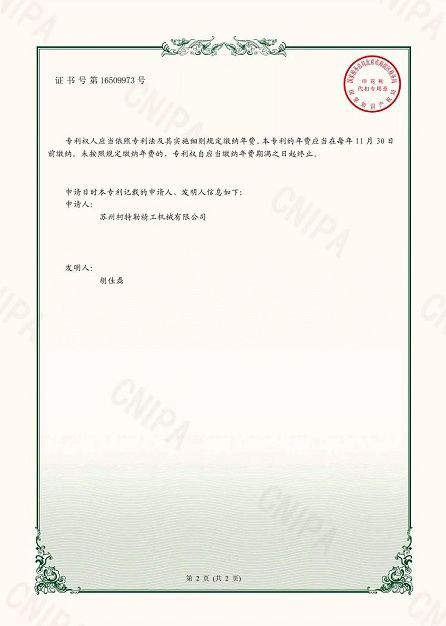
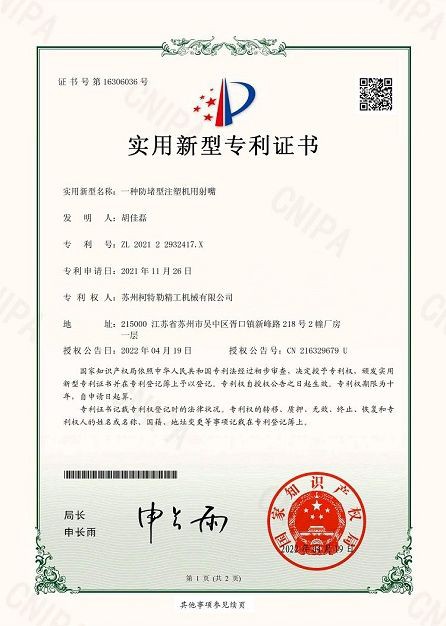
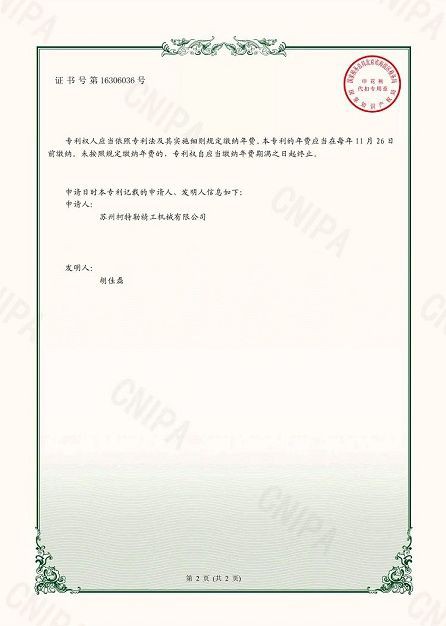
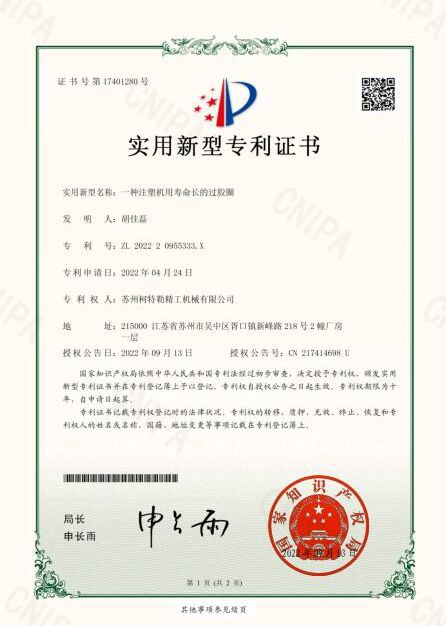
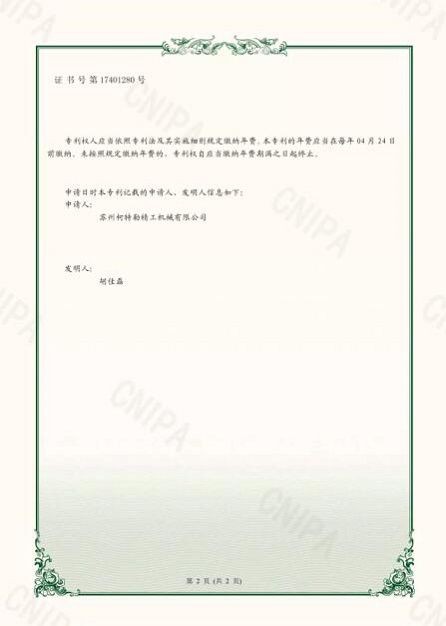
Our Certifications

Ultimate FAQ Guide to Extruder Barrel
We're well-known as one of the leading extruder barrel manufacturers and suppliers in China. Welcome to buy high quality extruder barrel in stock here and get quotation from our factory. Contact us for customized service.
injection molding screw tips, screw barrel injection molding machine, Extruder screw for foam rotational molding extrusion