

How does the bimetallic barrel affect the extrusion of rubber - plastic blends?
In the realm of polymer processing, the extrusion of rubber - plastic blends is a critical operation that demands high - precision equipment and a deep understanding of material behavior. As a trusted extruder bimetallic barrel supplier, I have witnessed firsthand how the bimetallic barrel plays a pivotal role in the extrusion process of these blends.
1. Understanding Rubber - Plastic Blends
Rubber - plastic blends combine the advantageous properties of both rubber and plastics. Rubber imparts elasticity, flexibility, and shock - absorbing capabilities, while plastics contribute to stiffness, dimensional stability, and processability. These blends are widely used in various industries, such as automotive for gaskets and seals, and consumer goods for flexible yet durable products.
The extrusion of rubber - plastic blends involves melting, mixing, and shaping the blend into the desired profile. This process requires careful control of temperature, pressure, and shear forces to ensure a homogeneous mixture and a high - quality end product.
2. Key Features of Bimetallic Barrels
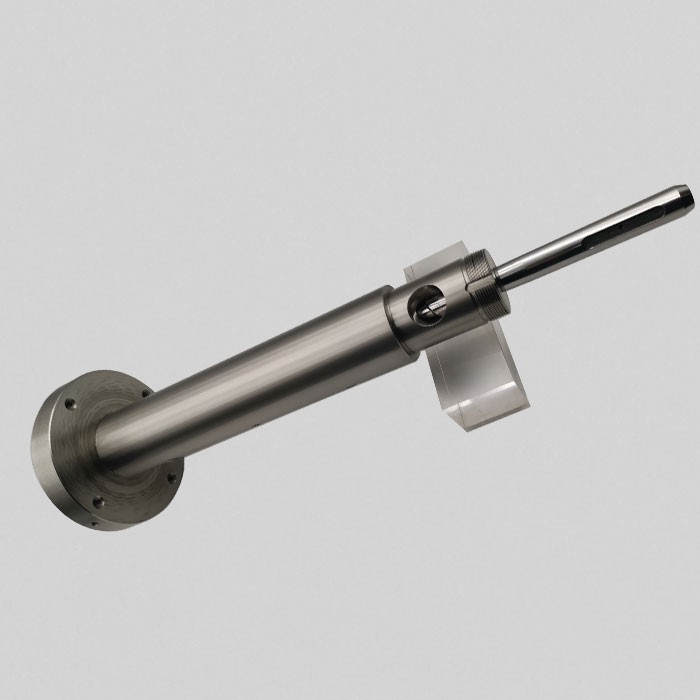
Bimetallic barrels are constructed by bonding a layer of wear - resistant alloy onto a steel substrate. This design offers several key features that are particularly beneficial for the extrusion of rubber - plastic blends.
- Wear Resistance: The wear - resistant alloy layer provides excellent resistance to abrasion, erosion, and corrosion. Rubber - plastic blends often contain fillers, such as carbon black or silica, which can be highly abrasive. The bimetallic barrel's wear - resistant layer ensures a long service life, reducing the frequency of barrel replacement and minimizing production downtime. For example, in a continuous extrusion process where large volumes of filled rubber - plastic blends are processed, a bimetallic barrel can withstand the abrasive action of the fillers much better than a conventional single - material barrel.
- Thermal Conductivity: Effective heat transfer is crucial in the extrusion of rubber - plastic blends. Bimetallic barrels are designed to have appropriate thermal conductivity to ensure uniform heating and cooling of the blend. The steel substrate provides good structural support, while the alloy layer can be selected to optimize thermal properties. This allows for precise control of the melt temperature, which is essential for achieving the desired viscosity and flow characteristics of the blend. For instance, during the melting stage, the bimetallic barrel can quickly transfer heat to the blend, ensuring efficient melting without overheating the material.
- Corrosion Resistance: Some rubber - plastic blends may contain chemicals or additives that can cause corrosion. The alloy layer in bimetallic barrels offers excellent corrosion resistance, protecting the barrel from chemical attack. This is especially important in applications where the blends are exposed to harsh environments or contain corrosive substances.
3. Impact on Extrusion Process
3.1 Mixing Efficiency
The design of the bimetallic barrel can significantly affect the mixing efficiency of rubber - plastic blends. The internal surface of the barrel can be engineered with specific geometries, such as grooves or flights, to enhance the mixing action. As the blend is pushed through the barrel by the screw, these geometries create additional shear and turbulence, promoting better dispersion of the rubber and plastic components.
For example, a well - designed bimetallic barrel with optimized screw - barrel clearance and internal geometries can ensure that the rubber particles are evenly distributed within the plastic matrix. This leads to a more homogeneous blend with improved mechanical properties, such as better tensile strength and elongation at break.
3.2 Pressure Generation
The bimetallic barrel plays a crucial role in pressure generation during extrusion. The tight fit between the screw and the barrel, along with the wear - resistant and smooth internal surface of the bimetallic barrel, allows for efficient pressure build - up. This pressure is necessary to force the molten blend through the die and form the desired shape.
In the extrusion of rubber - plastic blends, proper pressure control is essential. Insufficient pressure can result in incomplete filling of the die, leading to defects such as voids or uneven wall thickness. On the other hand, excessive pressure can cause over - shearing of the blend, which may degrade the material properties. A high - quality bimetallic barrel helps maintain a stable pressure profile throughout the extrusion process, ensuring consistent product quality.
3.3 Temperature Control
As mentioned earlier, temperature control is critical in the extrusion of rubber - plastic blends. The bimetallic barrel's thermal properties allow for precise regulation of the melt temperature. By using external heating and cooling systems in conjunction with the bimetallic barrel, the temperature of the blend can be maintained within a narrow range.

During the melting stage, the barrel can be heated to a specific temperature to ensure complete melting of the blend. As the blend moves towards the die, the temperature can be adjusted to optimize the flow properties and prevent premature solidification. For example, in the production of rubber - plastic pipes, accurate temperature control in the bimetallic barrel is necessary to ensure a smooth and uniform extrusion process.
4. Types of Bimetallic Barrels for Rubber - Plastic Blend Extrusion
There are different types of bimetallic barrels available, each suitable for specific extrusion requirements of rubber - plastic blends.
- General - Purpose Bimetallic Barrels: These barrels are designed for a wide range of rubber - plastic blends. They offer a good balance of wear resistance, thermal conductivity, and cost - effectiveness. General - purpose bimetallic barrels are commonly used in standard extrusion applications where the blend composition and processing conditions are relatively stable.
- High - Performance Bimetallic Barrels: For more demanding extrusion processes, such as those involving highly filled or high - temperature rubber - plastic blends, high - performance bimetallic barrels are required. These barrels are made with advanced alloy materials and have enhanced wear and corrosion resistance. They can withstand extreme processing conditions, ensuring reliable operation and high - quality product output.
5. Comparison with Other Barrel Types
When compared to other barrel types, such as single - material barrels or nitrided barrels, bimetallic barrels offer distinct advantages in the extrusion of rubber - plastic blends.
- Single - Material Barrels: Single - material barrels are typically made of a single type of steel. While they are relatively inexpensive, they lack the wear resistance and thermal properties required for efficient extrusion of rubber - plastic blends. Single - material barrels are more prone to wear and corrosion, especially when processing filled blends, which can lead to inconsistent product quality and frequent barrel replacement.
- Nitrided Barrels: Nitrided barrels have a hard nitrided layer on the surface, which provides some wear resistance. However, the nitrided layer is relatively thin and may not offer sufficient protection against severe abrasion and corrosion. In addition, nitrided barrels may have limited thermal conductivity, making it more difficult to control the melt temperature accurately.
6. Application Examples
Let's take a look at some real - world application examples to understand how bimetallic barrels impact the extrusion of rubber - plastic blends.
- Automotive Seals: In the automotive industry, rubber - plastic blends are widely used to produce seals for doors, windows, and engines. The extrusion process requires a high - quality bimetallic barrel to ensure a uniform blend and a smooth surface finish of the seals. The wear - resistant bimetallic barrel can withstand the abrasive action of the fillers in the blend, while its thermal properties allow for precise temperature control during extrusion. This results in seals with excellent sealing performance and long service life.
- Consumer Goods: Many consumer goods, such as flexible hoses and cable insulation, are made from rubber - plastic blends. The use of a bimetallic barrel in the extrusion process ensures consistent product quality and high production efficiency. The bimetallic barrel's ability to maintain a stable pressure and temperature profile during extrusion helps produce hoses and insulation with uniform wall thickness and good mechanical properties.
7. Conclusion and Call to Action
In conclusion, the bimetallic barrel has a profound impact on the extrusion of rubber - plastic blends. Its wear resistance, thermal conductivity, and corrosion resistance properties contribute to efficient mixing, accurate pressure and temperature control, and high - quality product output. As an extruder bimetallic barrel supplier, we are committed to providing high - quality bimetallic barrels that meet the specific needs of our customers in the rubber - plastic blend extrusion industry.
If you are involved in the extrusion of rubber - plastic blends and are looking for a reliable extruder bimetallic barrel solution, we invite you to contact us for a detailed discussion. Our team of experts can provide you with in - depth technical advice and customized solutions to optimize your extrusion process. You can also explore more about our products on our website: Extrusion Barrel, Single Screw Extruder Screw Barrel, Plastic Extruder Screw Barrel.
References
- "Polymer Processing: Principles and Practice" by Christopher Rauwendaal
- "Rubber Technology: Compounding, Processing, and Testing of Rubber" by Werner Hofmann
- "Extrusion of Plastics: Theory and Practice" by John A. Brydson