

In the field of plastic processing, the extrusion of high - temperature plastics is a complex and crucial process. The choice of equipment components can significantly impact the quality, efficiency, and cost - effectiveness of the extrusion operation. Among these components, the bimetallic barrel plays a vital role. As an extruder bimetallic barrel supplier, I have witnessed firsthand the various impacts that bimetallic barrels have on the extrusion of high - temperature plastics.
Understanding High - Temperature Plastics
High - temperature plastics, also known as engineering plastics, are polymers that can maintain their mechanical properties at elevated temperatures. These plastics include materials such as polyetheretherketone (PEEK), polyphenylene sulfide (PPS), and liquid crystal polymers (LCP). They are widely used in industries such as aerospace, automotive, and electronics due to their excellent heat resistance, chemical resistance, and mechanical strength.
The extrusion process of high - temperature plastics involves melting the plastic resin in a heated barrel and then forcing it through a die to form the desired shape. This process requires precise control of temperature, pressure, and flow rate to ensure the quality of the final product.
The Role of the Barrel in Extrusion
The barrel is a key component in the extruder. It provides the space for melting and conveying the plastic material. In the extrusion of high - temperature plastics, the barrel must be able to withstand high temperatures and pressures, as well as resist wear and corrosion caused by the abrasive nature of the plastic resin.
A traditional single - metal barrel may not be suitable for high - temperature plastic extrusion. At high temperatures, the metal may expand unevenly, leading to dimensional changes and affecting the extrusion process. Moreover, the wear resistance of single - metal barrels may not be sufficient to handle the abrasive high - temperature plastics, resulting in a shorter service life.
Advantages of Bimetallic Barrels in High - Temperature Plastic Extrusion
1. High - Temperature Resistance
Bimetallic barrels are designed to have excellent high - temperature resistance. They are typically made by bonding a layer of high - performance alloy onto a base metal. The high - performance alloy can withstand extremely high temperatures without significant deformation. For example, some bimetallic barrels can operate at temperatures up to 400°C or even higher, which is well within the processing temperature range of many high - temperature plastics.
This high - temperature resistance ensures that the barrel maintains its dimensional stability during the extrusion process. As a result, the plastic material can be melted and conveyed smoothly, and the extruded product has consistent quality.
2. Wear Resistance
High - temperature plastics often contain fillers and additives that can be highly abrasive. Bimetallic barrels offer superior wear resistance compared to single - metal barrels. The high - performance alloy layer on the inner surface of the barrel has a high hardness and excellent wear - resistant properties. This means that the barrel can withstand the continuous abrasion caused by the plastic material, reducing the frequency of barrel replacement and saving production costs.
For instance, in the extrusion of PPS, which is known for its abrasive nature, a bimetallic barrel can last significantly longer than a single - metal barrel, providing a more stable and cost - effective extrusion process.
3. Corrosion Resistance
Some high - temperature plastics may release corrosive substances during the extrusion process, especially when they are exposed to high temperatures. Bimetallic barrels are also resistant to corrosion. The high - performance alloy used in the barrel construction is selected for its corrosion - resistant properties, protecting the barrel from chemical attack and ensuring its long - term performance.
This corrosion resistance is particularly important in applications where the extruded products need to meet strict quality and safety standards. For example, in the production of medical devices made from high - temperature plastics, a corrosion - resistant barrel is essential to prevent contamination of the plastic material.
Impact on Extrusion Quality
1. Consistent Melting
The high - temperature resistance and thermal conductivity of bimetallic barrels contribute to consistent melting of high - temperature plastics. The barrel can transfer heat evenly to the plastic material, ensuring that all parts of the plastic are melted uniformly. This results in a homogeneous melt, which is crucial for producing high - quality extruded products with good mechanical properties and surface finish.
In contrast, if the barrel has poor heat transfer or uneven temperature distribution, some parts of the plastic may not be fully melted, leading to defects such as unmelted particles in the extruded product.

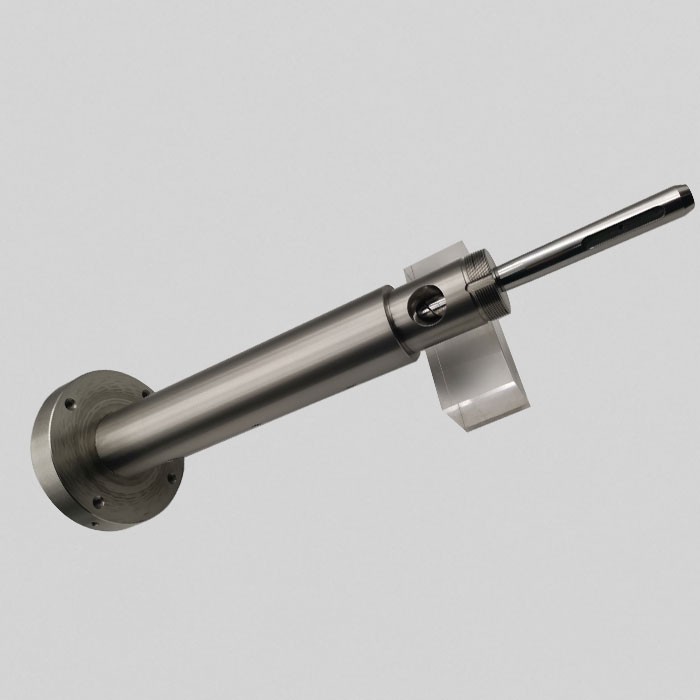
2. Precise Dimensional Control
The dimensional stability of bimetallic barrels is essential for precise dimensional control of the extruded product. Since the barrel maintains its shape and size under high temperatures, the plastic material is extruded through the die with a consistent cross - section. This is particularly important in applications where tight tolerances are required, such as in the production of electrical connectors made from high - temperature plastics.
Impact on Production Efficiency
1. Reduced Downtime
Due to their excellent wear and corrosion resistance, bimetallic barrels have a longer service life than single - metal barrels. This means less frequent barrel replacement and reduced downtime for maintenance. In a continuous production environment, minimizing downtime is crucial for maximizing production efficiency and meeting production targets.
For example, in a large - scale plastic extrusion plant, the use of bimetallic barrels can reduce the number of production interruptions caused by barrel wear, resulting in higher overall production output.
2. Higher Extrusion Speeds
The superior performance of bimetallic barrels allows for higher extrusion speeds. With their ability to withstand high temperatures and pressures, bimetallic barrels can handle larger volumes of plastic material per unit time. This means that more products can be extruded in a shorter period, increasing the production capacity of the extruder.
The Importance of Choosing the Right Bimetallic Barrel
When selecting a bimetallic barrel for high - temperature plastic extrusion, several factors need to be considered. These include the type of high - temperature plastic to be extruded, the processing temperature and pressure, and the specific requirements of the extruded product.
As a [your role in the company] at [your company position], we offer a wide range of Extrusion Barrel and Extrusion Screw Barrel products that are specifically designed for high - temperature plastic extrusion. Our Barrel in Extruder solutions are tailored to meet the diverse needs of our customers, ensuring optimal performance and cost - effectiveness.
Conclusion
In conclusion, the bimetallic barrel has a profound impact on the extrusion of high - temperature plastics. Its high - temperature resistance, wear resistance, and corrosion resistance contribute to a more efficient and high - quality extrusion process. By maintaining dimensional stability, providing consistent melting, and ensuring precise control, bimetallic barrels help to produce high - quality extruded products with excellent mechanical properties and surface finish.
If you are involved in the extrusion of high - temperature plastics and are looking for a reliable and high - performance barrel solution, we invite you to contact us for more information and to discuss your specific requirements. Our team of experts is ready to assist you in finding the most suitable bimetallic barrel for your production needs.
References
- "Handbook of Plastics Extrusion Technology" by John F. Grossman
- "High - Temperature Polymers: Fundamentals and Applications" by Satish Kumar and James M. Warakomski
- Technical reports on bimetallic barrel performance in plastic extrusion from industry research institutions.