

The extruder bimetallic barrel is a crucial component in the extrusion process, playing a significant role in determining the quality of the extruded product. As a trusted extruder bimetallic barrel supplier, I have witnessed firsthand how the right barrel can transform the output of an extrusion operation. In this blog, we will explore the various ways in which an extruder bimetallic barrel affects the quality of the extruded product.
1. Material Compatibility and Wear Resistance
One of the primary functions of an extruder bimetallic barrel is to provide a suitable environment for the material being extruded. Different materials have different properties, such as viscosity, abrasiveness, and chemical reactivity. A bimetallic barrel is designed to be compatible with a wide range of materials, ensuring that the extrusion process can be carried out smoothly without any adverse reactions between the barrel and the material.

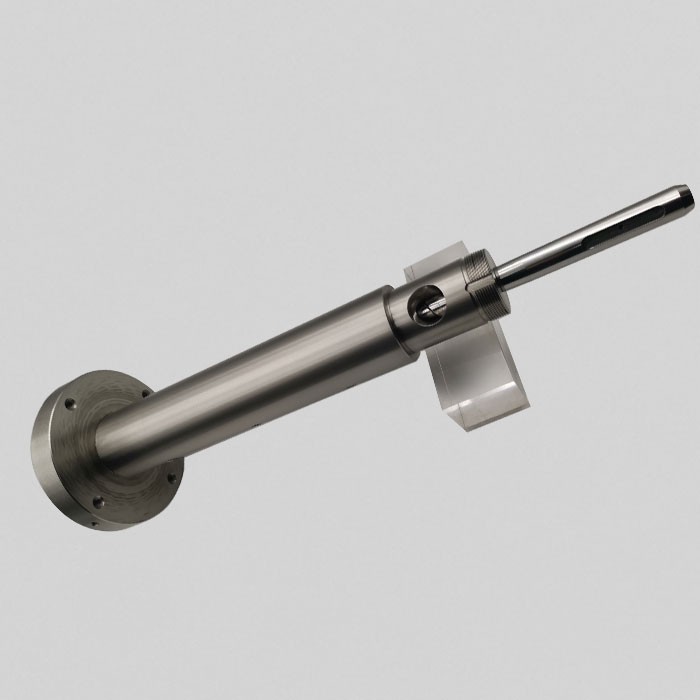
The outer layer of a bimetallic barrel is typically made of a strong and durable steel, while the inner layer is composed of a wear-resistant alloy. This combination provides excellent wear resistance, which is essential when extruding abrasive materials. For example, when processing polymers filled with glass fibers or other abrasive additives, a bimetallic barrel can withstand the high levels of wear and tear, maintaining its dimensional accuracy and surface finish over a long period. This, in turn, ensures that the extruded product has a consistent quality and a smooth surface finish.
Moreover, the wear resistance of the bimetallic barrel also affects the production efficiency. A barrel with good wear resistance requires less frequent replacement, reducing downtime and increasing the overall productivity of the extrusion process. As a supplier of [link text="Extruder Sintered Hard Alloy Barrel" href="/barrel/extruder-barrel/extruder-sintered-hard-alloy-barrel.html"], we offer barrels with high wear resistance, which can significantly improve the quality and efficiency of your extrusion operations.
2. Temperature Control and Heat Transfer
Temperature control is another critical factor in the extrusion process, as it directly affects the viscosity and flow properties of the material. An extruder bimetallic barrel can play a vital role in maintaining a stable temperature throughout the extrusion process.
The bimetallic construction of the barrel allows for better heat transfer compared to a single-metal barrel. The inner layer of the bimetallic barrel, which is in direct contact with the material, has a high thermal conductivity, enabling it to quickly transfer heat to the material. This helps to ensure that the material is heated evenly, preventing overheating or underheating, which can lead to quality issues such as poor melt flow, uneven color distribution, and surface defects.
In addition, the outer layer of the bimetallic barrel can act as an insulating layer, reducing heat loss to the environment. This helps to maintain a more stable temperature inside the barrel, even when the external conditions change. For example, in a cold production environment, the insulating outer layer can prevent the barrel from losing too much heat, ensuring that the material remains at the optimal processing temperature.
Proper temperature control also affects the physical properties of the extruded product. For instance, in the extrusion of plastics, the temperature can influence the degree of crystallization, which in turn affects the strength, stiffness, and transparency of the final product. By providing precise temperature control, an extruder bimetallic barrel can help to produce high-quality extruded products with consistent physical properties.
3. Pressure Distribution and Melt Homogeneity
During the extrusion process, the material is subjected to high pressures as it passes through the barrel. The design and construction of the extruder bimetallic barrel can have a significant impact on the pressure distribution and melt homogeneity.
A well-designed bimetallic barrel has a smooth inner surface, which allows the material to flow smoothly and evenly. This helps to prevent the formation of dead zones or areas of high pressure, which can cause the material to degrade or form unwanted shear forces. As a result, the extruded product has a more uniform melt structure, with fewer defects such as streaks, voids, or inclusions.
The bimetallic construction of the barrel also provides excellent mechanical strength, which is necessary to withstand the high pressures generated during the extrusion process. This ensures that the barrel maintains its shape and dimensional accuracy, even under extreme conditions. For example, in the extrusion of high-viscosity materials or at high extrusion speeds, a bimetallic barrel can provide the necessary support to maintain a stable pressure and a consistent flow rate.
Furthermore, the use of a bimetallic barrel can also improve the mixing and homogenization of the material. The inner layer of the barrel can be designed with specific geometries or surface textures to enhance the mixing action, ensuring that the additives, pigments, or other components are evenly distributed throughout the melt. This results in a more uniform and high-quality extruded product.
4. Corrosion Resistance
In some extrusion applications, the material being processed may be corrosive, such as certain chemicals or polymers containing acidic or alkaline additives. In such cases, the corrosion resistance of the extruder barrel is of utmost importance.
A bimetallic barrel can be designed with a corrosion-resistant inner layer to protect the barrel from chemical attack. The inner layer can be made of a material such as stainless steel or a special alloy that is resistant to corrosion. This ensures that the barrel remains in good condition, even when exposed to corrosive materials, and prevents the contamination of the extruded product.
For example, in the food and beverage industry, where hygiene and product safety are critical, a corrosion-resistant bimetallic barrel is essential. It can prevent the leaching of harmful substances into the product, ensuring that the extruded products meet the strict quality and safety standards. As a supplier of [link text="Extruder Nitrided Steel Barrel" href="/barrel/extruder-barrel/extruder-nitrided-steel-barrel.html"], we offer barrels with excellent corrosion resistance, which are suitable for a wide range of applications, including those involving corrosive materials.
5. Surface Finish and Dimensional Accuracy
The surface finish and dimensional accuracy of the extruder bimetallic barrel have a direct impact on the quality of the extruded product. A smooth and precise inner surface of the barrel is essential for ensuring a consistent flow of the material and a high-quality surface finish of the extruded product.
The manufacturing process of the bimetallic barrel is carefully controlled to achieve a high level of surface finish and dimensional accuracy. Advanced machining techniques, such as precision grinding and honing, are used to ensure that the inner surface of the barrel is smooth and free of defects. This helps to prevent the adhesion of the material to the barrel surface, reducing the risk of material buildup and improving the overall quality of the extruded product.
In addition, the dimensional accuracy of the barrel is crucial for maintaining a consistent extrusion process. A barrel with precise dimensions ensures that the material is extruded at the correct pressure and flow rate, resulting in a product with consistent dimensions and properties. As a supplier of [link text="Barrel in Extruder" href="/barrel/extruder-barrel/barrel-in-extruder.html"], we have strict quality control measures in place to ensure that our barrels meet the highest standards of surface finish and dimensional accuracy.
Conclusion
In conclusion, an extruder bimetallic barrel has a profound impact on the quality of the extruded product. Its material compatibility, wear resistance, temperature control, pressure distribution, corrosion resistance, surface finish, and dimensional accuracy all contribute to the overall quality and performance of the extrusion process. As a leading extruder bimetallic barrel supplier, we are committed to providing high-quality barrels that meet the specific needs of our customers. If you are looking to improve the quality of your extruded products or enhance the efficiency of your extrusion operations, we invite you to contact us for a consultation. Our team of experts will be happy to assist you in selecting the right barrel for your application and provide you with the best solutions.
References
- "Extrusion of Polymers: Theory and Practice" by Manfred G. Menges, Friedrich Hensen, and Walter Mohren
- "Plastics Extrusion Technology" by John A. Brydson
- "Handbook of Plastic Materials and Technology" edited by Irvin I. Rubin