

Can barrel wear affect the extruder's performance?
As a supplier of barrels in extruders, I've witnessed firsthand the critical role that the barrel plays in the overall performance of an extruder. Over the years, I've engaged in numerous discussions with clients about the impact of barrel wear on the extruder's functionality. In this blog post, I'll delve into the science behind barrel wear and its effects on the extruder's performance.
Understanding the Barrel in an Extruder
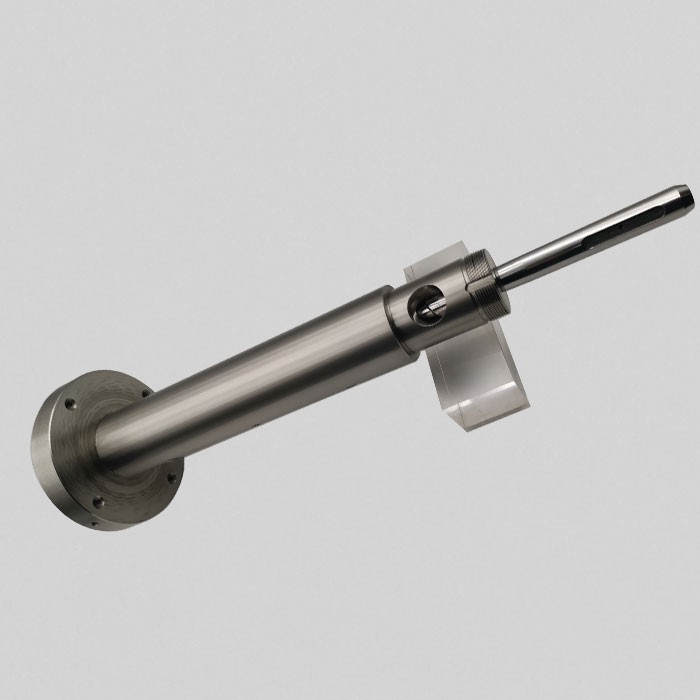
Before we discuss the impact of barrel wear, it's essential to understand the role of the barrel in an extruder. The barrel is a crucial component that houses the screw, which is responsible for conveying, melting, and mixing the polymer material. The barrel provides a confined space where the polymer undergoes various physical and chemical changes as it moves from the feed section to the die.
The Barrel in Extruder is typically made of high - strength alloy steel, which is designed to withstand high pressures and temperatures. It has a smooth inner surface to minimize friction and ensure efficient material flow. The barrel is also equipped with heating and cooling systems to control the temperature of the polymer during the extrusion process. This is crucial because the viscosity of the polymer is highly dependent on temperature, and maintaining the right temperature is essential for achieving the desired product quality. For more information on how to control the temperature of the extruder barrel, you can refer to Extruder Barrel Temperature Control.

Causes of Barrel Wear
Barrel wear can be caused by several factors. One of the primary causes is abrasion. When the polymer material contains hard particles, such as fillers or reinforcements, these particles can act as abrasives and wear down the inner surface of the barrel. For example, in the extrusion of filled polymers like glass - fiber - reinforced plastics, the glass fibers can cause significant abrasion to the barrel surface over time.
Another cause of barrel wear is corrosion. Some polymers or additives may be chemically reactive and can corrode the barrel material. For instance, polymers containing halogen - based flame retardants can produce corrosive gases at high temperatures, which can attack the metal surface of the barrel.
Erosion is also a contributing factor. High - speed flow of the polymer melt can cause erosion of the barrel surface, especially in areas where there are sudden changes in flow direction or velocity. This is often observed in the transition zones between different sections of the barrel.
Effects of Barrel Wear on Extruder Performance
1. Decreased Material Output
As the barrel wears, the clearance between the screw and the barrel increases. This results in a loss of the pumping efficiency of the screw. The polymer melt can leak back through the increased clearance, reducing the forward flow of the material. Consequently, the extruder's output rate decreases, which can lead to reduced production capacity and increased production costs.
2. Poor Product Quality
Barrel wear can have a significant impact on product quality. The increased clearance between the screw and the barrel can cause inconsistent mixing of the polymer. This can result in non - uniform distribution of additives, fillers, or colorants in the final product, leading to variations in mechanical properties, appearance, and other quality parameters.
In addition, the wear of the barrel can affect the temperature profile of the polymer melt. As the barrel surface becomes rough due to wear, the heat transfer efficiency between the barrel and the polymer may change. This can lead to uneven heating or cooling of the polymer, causing thermal degradation in some areas and incomplete melting in others. These issues can manifest as defects in the final product, such as voids, bubbles, or surface roughness.
3. Higher Energy Consumption
The extruder has to work harder to compensate for the loss of pumping efficiency caused by barrel wear. This requires more power input to maintain the same output rate. As a result, the energy consumption of the extruder increases, which not only raises operating costs but also has a negative impact on the environment.
4. Increased Maintenance Requirements
Barrel wear can lead to more frequent breakdowns and maintenance requirements. The worn barrel may cause excessive vibration and noise during the operation of the extruder, which can damage other components of the machine. This can result in increased downtime for maintenance and repairs, further reducing the overall productivity of the extrusion process.
Mitigating the Effects of Barrel Wear
To mitigate the effects of barrel wear, several strategies can be employed. One approach is to select the right barrel material. There are various types of barrel materials available, each with different levels of wear resistance. For example, barrels coated with hard - facing materials or made of high - alloy steels can provide better resistance to abrasion and corrosion.
Proper maintenance of the extruder is also crucial. Regular cleaning of the barrel can remove any abrasive particles or corrosive substances that may accumulate on the surface. Monitoring the operating conditions of the extruder, such as temperature, pressure, and screw speed, can help detect early signs of barrel wear and allow for timely replacement or repair.
In some cases, it may be necessary to optimize the extrusion process parameters. For example, reducing the screw speed or adjusting the temperature profile can help minimize the wear rate of the barrel.
Conclusion
In conclusion, barrel wear can have a profound impact on the performance of an extruder. It can lead to decreased material output, poor product quality, higher energy consumption, and increased maintenance requirements. As a Single Screw Extruder Screw Barrel supplier, we understand the importance of providing high - quality barrels that can withstand the harsh operating conditions of the extrusion process.
If you are facing issues related to barrel wear or are looking for high - performance barrels for your extruder, we are here to help. Our team of experts can provide you with professional advice on barrel selection, maintenance, and process optimization. Contact us today to start a discussion about your extrusion needs and how we can assist you in achieving optimal extruder performance.
References
- "Extrusion of Polymers: Theory and Practice" by Allan A. Griff
- "Plastics Extrusion Technology" by Chris Rauwendaal