

Hey there! As a supplier of injection machine barrels, I've seen my fair share of issues with these crucial components. Injection machine barrels are the heart of the injection molding process, and when they start acting up, it can throw a major wrench in your production line. In this blog, I'll walk you through some common injection machine barrel issues and how to troubleshoot them.
Understanding the Basics of Injection Machine Barrels
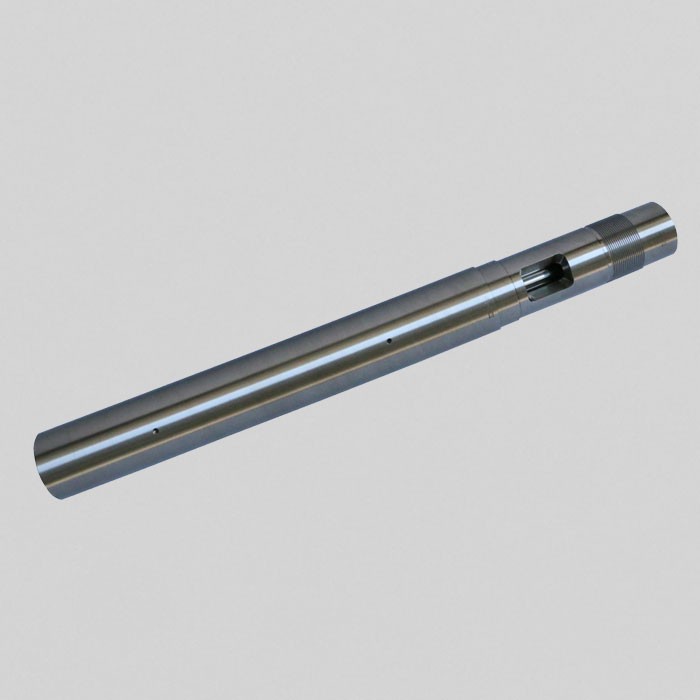
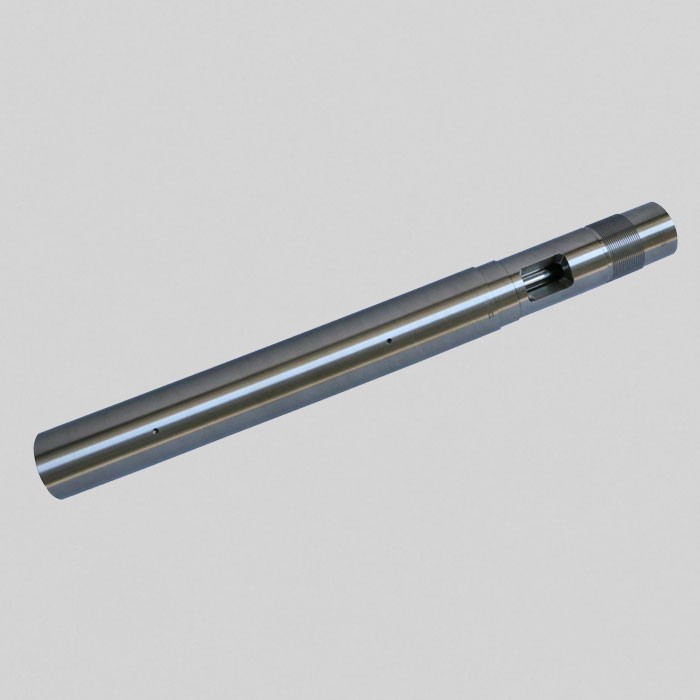
Before we dive into troubleshooting, let's quickly go over what an injection machine barrel is and what it does. An injection machine barrel is a long, cylindrical tube where the plastic resin is melted and mixed before being injected into the mold. It's typically heated using a series of band heaters to maintain the right temperature for the plastic to flow properly.
There are different types of injection machine barrels available in the market, each with its own set of features and benefits. For example, the Sintered Hard Alloy Barrel for Injection Molding Machine is known for its high wear resistance and durability, making it ideal for high-volume production. On the other hand, the Barrel in Injection Moulding is designed to provide precise temperature control and efficient plastic melting. And then there's the Injection Screw Barrel, which plays a crucial role in conveying and melting the plastic resin.
Common Injection Machine Barrel Issues and How to Fix Them
1. Uneven Heating
One of the most common issues with injection machine barrels is uneven heating. This can lead to inconsistent plastic melting, which in turn can cause defects in the molded parts. There are several reasons why uneven heating might occur:
- Faulty Band Heaters: Band heaters are responsible for heating the barrel. If one or more of these heaters are not working properly, it can result in uneven heating. To check if a band heater is faulty, you can use a multimeter to measure its resistance. If the resistance is outside the normal range, the heater needs to be replaced.
- Poor Insulation: Insulation helps to keep the heat inside the barrel. If the insulation is damaged or worn out, heat can escape, leading to uneven heating. Inspect the insulation regularly and replace it if necessary.
- Incorrect Heater Placement: The band heaters need to be placed evenly around the barrel to ensure uniform heating. If they are not installed correctly, it can cause hot and cold spots on the barrel. Make sure the heaters are properly aligned and tightened.
2. Wear and Tear
Injection machine barrels are subject to a lot of wear and tear over time, especially in high-volume production environments. The constant friction between the plastic resin and the barrel wall can cause the barrel to wear out, leading to reduced performance and quality issues.
- Check the Barrel Wall Thickness: Over time, the barrel wall can become thinner due to wear. You can use a micrometer to measure the wall thickness at different points along the barrel. If the wall thickness is below the recommended level, the barrel needs to be replaced.
- Look for Scratches and Grooves: Scratches and grooves on the barrel wall can also affect the plastic flow and cause quality issues. Inspect the barrel wall regularly for any signs of damage. If you find any scratches or grooves, you may need to have the barrel reconditioned or replaced.
- Use High-Quality Plastic Resins: Using low-quality plastic resins can increase the wear and tear on the barrel. Make sure to use high-quality resins that are compatible with your injection machine and barrel.
3. Plastic Build-Up
Another common issue is plastic build-up inside the barrel. This can happen when the plastic resin does not melt properly or when there is a blockage in the barrel. Plastic build-up can cause several problems, including reduced plastic flow, uneven heating, and quality issues.
- Clean the Barrel Regularly: Regular cleaning can help prevent plastic build-up. You can use a barrel cleaner or a specialized cleaning compound to remove the plastic residue from the barrel. Follow the manufacturer's instructions for cleaning to avoid damaging the barrel.
- Check the Screw and Nozzle: The screw and nozzle are also prone to plastic build-up. Inspect them regularly and clean them as needed. Make sure the screw is turning smoothly and that the nozzle is not clogged.
- Adjust the Processing Parameters: If you are experiencing frequent plastic build-up, you may need to adjust the processing parameters, such as the temperature, pressure, and screw speed. Consult with your injection machine manufacturer or a technical expert to determine the optimal settings for your specific application.
4. Leakage
Leakage can occur at various points in the injection machine barrel system, such as the barrel joints, nozzle, or screw seals. Leakage can not only waste plastic material but also pose a safety hazard.
- Inspect the Seals and Gaskets: Check the seals and gaskets at the barrel joints, nozzle, and screw for any signs of damage or wear. Replace any damaged seals or gaskets immediately to prevent leakage.
- Tighten the Connections: Make sure all the connections in the barrel system are tightened properly. Loose connections can cause leakage. Use a torque wrench to tighten the bolts to the recommended torque value.
- Check the Nozzle Tip: A damaged or worn-out nozzle tip can also cause leakage. Inspect the nozzle tip regularly and replace it if necessary.
Preventive Maintenance Tips
To keep your injection machine barrel in good working condition and avoid these common issues, it's important to follow a regular preventive maintenance schedule. Here are some tips:
- Follow the Manufacturer's Recommendations: The manufacturer of your injection machine and barrel will provide specific maintenance instructions. Make sure to follow these recommendations to ensure optimal performance and longevity.
- Train Your Operators: Proper training of your operators is essential for preventing issues with the injection machine barrel. Make sure your operators know how to operate the machine correctly, how to perform basic maintenance tasks, and how to recognize and troubleshoot common issues.
- Keep a Maintenance Log: Keeping a maintenance log can help you track the maintenance history of your injection machine barrel and identify any recurring issues. Record the date of maintenance, the tasks performed, and any issues that were found and resolved.
Conclusion
Troubleshooting injection machine barrel issues can be a challenging task, but with the right knowledge and tools, you can keep your injection machine running smoothly and produce high-quality molded parts. By understanding the common issues, performing regular maintenance, and taking prompt action when problems arise, you can minimize downtime and increase the lifespan of your injection machine barrel.
If you're experiencing any issues with your injection machine barrel or if you're looking to upgrade to a high-quality barrel, don't hesitate to get in touch. We're here to help you find the right solution for your specific needs. Whether you need a Sintered Hard Alloy Barrel for Injection Molding Machine, a Barrel in Injection Moulding, or an Injection Screw Barrel, we've got you covered.
References
- Injection Molding Handbook, Third Edition by Rosato, Rosato, and Coates
- Plastics Engineering Handbook of the Society of Plastics Engineers by James F. Carley