

Evaluating the performance of an extruder bimetallic barrel in long - term use is crucial for both manufacturers and users. As a supplier of extruder bimetallic barrels, I understand the significance of providing high - quality products and helping customers accurately assess their performance. In this blog, I will share some key aspects and methods for evaluating the long - term performance of extruder bimetallic barrels.
1. Wear Resistance
Wear is one of the most critical factors affecting the long - term performance of an extruder bimetallic barrel. During the extrusion process, the barrel is in continuous contact with the plastic melt and solid particles, which can cause significant abrasion.
Measuring Wear
One way to evaluate wear resistance is to measure the change in the inner diameter of the barrel over time. Using precision measuring tools such as calipers or bore gauges, regular measurements can be taken at different positions along the barrel length. A small and stable change in the inner diameter indicates good wear resistance. For example, if after several thousand hours of operation, the increase in the inner diameter is within a few hundredths of a millimeter, it shows that the bimetallic layer is effectively protecting the barrel from excessive wear.
Material Analysis
The composition of the bimetallic layer plays a vital role in wear resistance. High - quality bimetallic barrels often use materials with high hardness and good abrasion - resistant properties, such as tungsten carbide or chromium - based alloys. Suppliers usually provide material certificates that detail the composition and hardness of the bimetallic layer. Customers can also conduct independent material analysis, such as hardness testing using a Rockwell or Vickers hardness tester, to verify the quality of the bimetallic layer.
2. Corrosion Resistance
In addition to wear, corrosion can also damage the extruder bimetallic barrel, especially when processing plastics that contain additives or when operating in a humid environment.
Visual Inspection
Regular visual inspection is a simple yet effective way to detect corrosion. Look for signs of rust, pitting, or discoloration on the inner surface of the barrel. If corrosion is detected early, appropriate measures can be taken, such as adjusting the processing conditions or applying anti - corrosion coatings.
Chemical Resistance Testing
Some plastics may release corrosive substances during the extrusion process. To evaluate the chemical resistance of the bimetallic barrel, chemical resistance testing can be carried out. This involves exposing samples of the bimetallic layer to the plastic melt or relevant chemical substances under simulated processing conditions and observing the changes in the material. Suppliers can also provide information on the chemical compatibility of their barrels with different types of plastics. For more information about barrels in general, you can visit Barrel in Extruder.

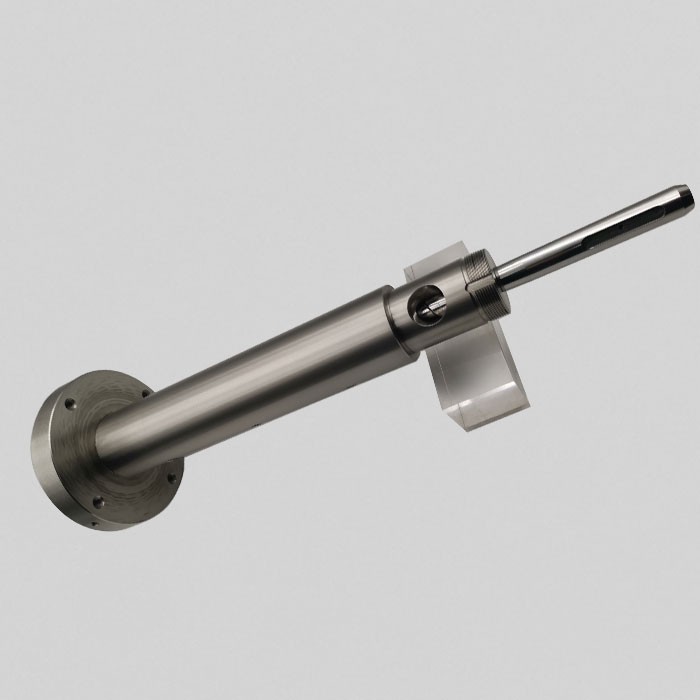
3. Thermal Stability
The extruder bimetallic barrel is subjected to high temperatures during operation. Good thermal stability is essential to maintain the dimensional accuracy and mechanical properties of the barrel.
Temperature Distribution
Monitoring the temperature distribution along the barrel is crucial. Temperature sensors can be installed at different positions to measure the temperature. A uniform temperature distribution indicates that the barrel has good thermal conductivity and can effectively transfer heat from the heating elements to the plastic melt. Uneven temperature distribution may lead to inconsistent plasticization of the material and can also cause thermal stress, which may damage the barrel over time.
Thermal Expansion
The bimetallic barrel should have a suitable coefficient of thermal expansion. If the thermal expansion is too large, it can cause problems such as misalignment between the barrel and the screw or excessive stress on the barrel joints. Suppliers usually provide data on the thermal expansion coefficient of their bimetallic barrels. Customers can also measure the dimensional changes of the barrel at different temperatures to verify this parameter.
4. Processing Accuracy
The performance of the extruder bimetallic barrel also affects the processing accuracy of the extruded products.
Dimensional Accuracy of Extruded Products
By measuring the dimensional accuracy of the extruded products, such as the diameter, wall thickness, and length, we can indirectly evaluate the performance of the barrel. If the dimensional variation of the extruded products is within the specified tolerance range over a long - term operation, it indicates that the barrel is maintaining a stable internal environment for plastic processing.
Surface Finish
The surface finish of the inner wall of the barrel is important for the smooth flow of the plastic melt. A smooth surface reduces friction and helps to prevent material adhesion. Visual inspection and surface roughness measurement can be used to evaluate the surface finish of the barrel. A low surface roughness value (e.g., Ra < 0.8 μm) indicates a good surface finish.
5. Energy Efficiency
In today's context of increasing energy costs, the energy efficiency of the extruder bimetallic barrel is also an important consideration.
Power Consumption Monitoring
By monitoring the power consumption of the extruder during operation, we can evaluate the energy efficiency of the barrel. A well - designed bimetallic barrel with good thermal conductivity can reduce the energy required for heating the plastic melt. If the power consumption remains stable or decreases slightly over time, it may indicate that the barrel is performing well in terms of energy efficiency.
Heat Loss Analysis
Analyzing the heat loss from the barrel is another way to assess energy efficiency. Insulation materials can be used to reduce heat loss, and the effectiveness of the insulation can be evaluated by measuring the temperature difference between the outer surface of the barrel and the surrounding environment.
6. Supplier Support and Service
As a supplier of extruder bimetallic barrels, we understand that our support and service are also important factors in evaluating the long - term performance of the barrels.
Technical Support
We provide technical support to our customers, including helping them select the most suitable barrel for their specific applications, providing installation and maintenance guidance, and troubleshooting any problems that may arise during operation. Our technical team is available to answer questions and provide solutions in a timely manner.
Spare Parts Availability
In case of any damage or wear, having access to spare parts is crucial. We ensure a sufficient inventory of spare parts for our bimetallic barrels, so that customers can quickly replace any damaged components and minimize downtime.
After - sales Service
Our after - sales service includes regular follow - up with customers to understand the performance of the barrels and address any concerns they may have. We also offer repair and refurbishment services for used barrels, which can extend their service life and reduce costs for customers.
If you are interested in our Extruder Bimetallic Barrel or need more information about evaluating the performance of extruder barrels, or if you have any specific requirements for your extrusion process, we welcome you to contact us for further discussion and potential procurement. We are committed to providing you with high - quality products and excellent service to meet your needs. You may also be interested in our Extruder Nitrided Steel Barrel, which offers different features and advantages for various extrusion applications.
References
- "Plastics Extrusion Technology" by Allan A. Griff.
- "Handbook of Polymer Processing" edited by Oscar Hernandez - Ortega.
- Technical data sheets provided by extruder bimetallic barrel manufacturers.