

As a supplier of extruder bimetallic barrels, I often receive inquiries from customers about the maintenance intervals for these crucial components. Understanding the appropriate maintenance schedule is essential for ensuring the longevity, efficiency, and optimal performance of your extruder. In this blog post, I will delve into the factors that influence maintenance intervals and provide general guidelines to help you keep your extruder bimetallic barrel in top condition.
Factors Affecting Maintenance Intervals
1. Operating Conditions
The operating conditions of your extruder play a significant role in determining the maintenance intervals for the bimetallic barrel. Factors such as temperature, pressure, and the type of material being processed can all impact the wear and tear on the barrel. For example, processing abrasive materials or operating at high temperatures and pressures can accelerate the degradation of the barrel lining, requiring more frequent maintenance.
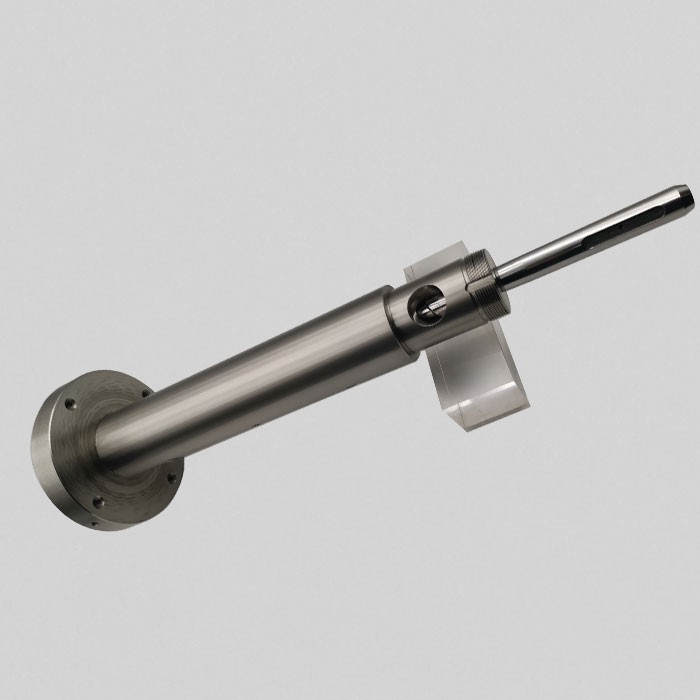

2. Material Quality
The quality of the bimetallic barrel itself is another important factor to consider. Higher-quality barrels are typically made from superior materials and manufacturing processes, which can result in longer service life and reduced maintenance requirements. When selecting a bimetallic barrel, it is crucial to choose a reputable supplier that offers high-quality products.
3. Usage Frequency
The frequency of use of your extruder also affects the maintenance intervals. Extruders that are operated continuously or for extended periods of time will generally require more frequent maintenance than those that are used less frequently. Regularly monitoring the usage of your extruder and adjusting the maintenance schedule accordingly can help prevent premature wear and damage to the bimetallic barrel.
4. Maintenance Practices
Proper maintenance practices are essential for extending the life of your extruder bimetallic barrel. Regular cleaning, lubrication, and inspection can help identify and address potential issues before they become major problems. Following the manufacturer's recommended maintenance procedures and using the appropriate cleaning and lubrication products can significantly improve the performance and longevity of the barrel.
General Maintenance Intervals
While the specific maintenance intervals for an extruder bimetallic barrel will vary depending on the factors mentioned above, the following general guidelines can provide a starting point for developing a maintenance schedule:
1. Daily Maintenance
- Visual Inspection: Conduct a visual inspection of the bimetallic barrel before and after each use to check for any signs of damage, wear, or contamination. Look for cracks, scratches, or other abnormalities on the surface of the barrel.
- Cleaning: Clean the barrel after each use to remove any residual material or debris. Use a suitable cleaning agent and a soft brush or cloth to avoid scratching the barrel surface.
- Lubrication: Lubricate the barrel as recommended by the manufacturer to reduce friction and wear. Use a high-quality lubricant that is compatible with the materials being processed.
2. Weekly Maintenance
- In-depth Inspection: Perform a more detailed inspection of the bimetallic barrel on a weekly basis. Check the barrel for any signs of wear or damage, such as excessive clearance between the screw and the barrel, or uneven wear on the barrel lining.
- Torque Check: Check the torque of the barrel bolts to ensure they are properly tightened. Loose bolts can cause the barrel to shift or vibrate, which can lead to premature wear and damage.
- Alignment Check: Check the alignment of the screw and the barrel to ensure they are properly centered. Misalignment can cause uneven wear on the barrel lining and reduce the efficiency of the extruder.
3. Monthly Maintenance
- Barrel Lining Thickness Measurement: Measure the thickness of the barrel lining on a monthly basis to monitor the wear rate. This can help you determine when the barrel lining needs to be replaced.
- Thermocouple Check: Check the thermocouples on the barrel to ensure they are functioning properly. Faulty thermocouples can cause inaccurate temperature readings, which can affect the quality of the extruded product.
- Heating Element Inspection: Inspect the heating elements on the barrel to ensure they are in good condition. Replace any damaged or worn heating elements as needed.
4. Quarterly Maintenance
- Barrel Disassembly and Cleaning: Disassemble the bimetallic barrel on a quarterly basis for a thorough cleaning. Remove any built-up material or debris from the barrel interior and exterior, and clean the barrel components using a suitable cleaning agent.
- Screw Inspection: Inspect the screw for any signs of wear or damage. Check the screw flighting for excessive wear, and replace the screw if necessary.
- Barrel Reconditioning: If the barrel lining shows signs of significant wear, consider reconditioning the barrel to extend its service life. Reconditioning involves machining the barrel lining to remove the worn layer and applying a new lining material.
5. Annual Maintenance
- Complete Overhaul: Perform a complete overhaul of the extruder, including the bimetallic barrel, on an annual basis. This may involve replacing worn or damaged components, reconditioning the barrel, and performing a thorough cleaning and inspection of the entire extruder system.
- Performance Testing: Conduct performance testing of the extruder after the annual overhaul to ensure it is operating at optimal efficiency. This can help identify any remaining issues or areas for improvement.
Importance of Regular Maintenance
Regular maintenance of your extruder bimetallic barrel is essential for several reasons:
1. Extended Service Life
Proper maintenance can significantly extend the service life of your bimetallic barrel, reducing the need for frequent replacements and saving you money in the long run.
2. Improved Performance
Regular maintenance helps ensure that your extruder is operating at optimal efficiency, resulting in higher-quality products and increased productivity.
3. Reduced Downtime
By identifying and addressing potential issues before they become major problems, regular maintenance can help reduce downtime and minimize production disruptions.
4. Safety
A well-maintained extruder is safer to operate, reducing the risk of accidents and injuries in the workplace.
Conclusion
In conclusion, the maintenance intervals for an extruder bimetallic barrel depend on a variety of factors, including operating conditions, material quality, usage frequency, and maintenance practices. By following the general guidelines outlined in this blog post and working with a reputable supplier, you can develop a maintenance schedule that ensures the longevity, efficiency, and optimal performance of your extruder.
If you are in the market for a high-quality extruder bimetallic barrel or need assistance with maintenance and repair, please feel free to contact us. We are a leading supplier of Single Screw Extruder Screw Barrel, Plastic Extruder Screw Barrel, and Extruder Nitrided Steel Barrel, and we are committed to providing our customers with the best products and services. Contact us today to discuss your specific needs and requirements.
References
- "Extruder Barrel Maintenance Guide," Extrusion Technology Handbook, 2nd Edition, edited by Christopher Rauwendaal.
- "Best Practices for Maintaining Extruder Barrels," Plastics Technology Magazine, May 2023.
- "The Importance of Regular Maintenance for Extruder Components," Processing Magazine, July 2023.