

Hey there! As a supplier of extruder barrels, I've seen my fair share of problems that can pop up during the operation of these machines. In this blog post, I'm gonna walk you through some common issues you might encounter with an extruder barrel and how to troubleshoot them.
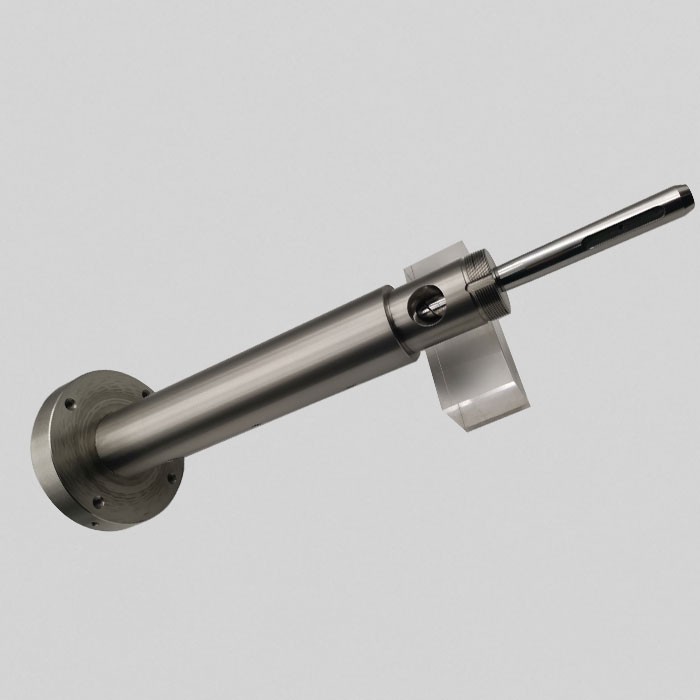
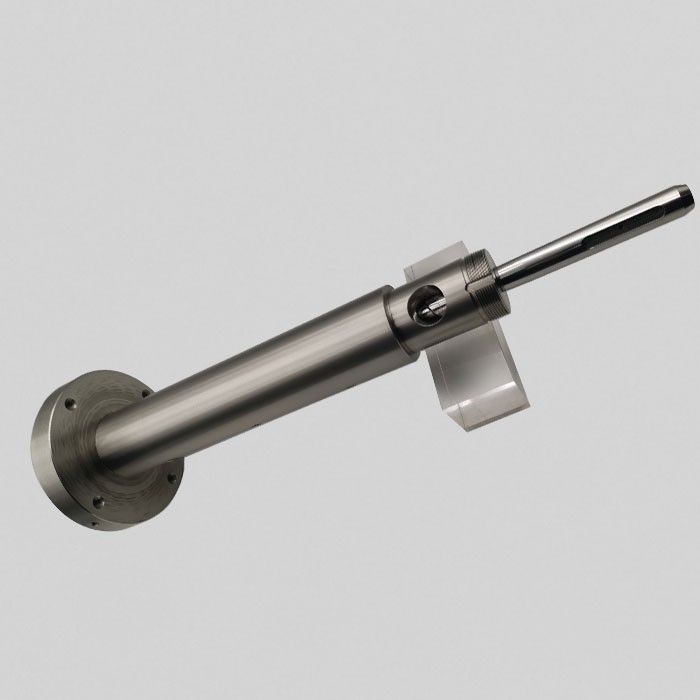
First off, let's talk about what an extruder barrel is. An extruder barrel is a crucial part of an extrusion system. It's where the magic happens - the raw materials are heated, melted, and then pushed through a die to create the final product. There are different types of extruder barrels out there, like the Barrel Screw Extruder, Extrusion Screw Barrel, and Extruder Nitrided Steel Barrel. Each type has its own features and benefits, but they all face similar problems from time to time.
Common Problems and Solutions
1. Poor Melting of Materials
One of the most common issues is when the materials don't melt properly inside the extruder barrel. This can lead to uneven product quality and even clogging.
Possible Causes:
- Incorrect Temperature Settings: If the temperature in the barrel is too low, the materials won't melt. On the other hand, if it's too high, it can cause degradation of the materials.
- Worn-out Screw: A worn screw might not be able to convey and mix the materials effectively, resulting in poor melting.
- Low Screw Speed: If the screw is rotating too slowly, the materials won't get enough shear and heat to melt evenly.
Solutions:
- Check and Adjust Temperature: Make sure the temperature settings are appropriate for the type of materials you're using. You can refer to the material's technical data sheet for the recommended temperature range.
- Inspect and Replace the Screw: If the screw is worn, it's time to replace it. A new screw will ensure better material conveyance and mixing.
- Increase Screw Speed: If the speed is too low, gradually increase it until you achieve proper melting. But be careful not to go too high, as it can cause other problems like excessive wear on the barrel and screw.
2. Uneven Extrusion
Uneven extrusion can result in products with inconsistent dimensions and quality.
Possible Causes:
- Blockages in the Barrel or Die: Any blockage can disrupt the flow of materials, causing uneven extrusion.
- Uneven Temperature Distribution: If the temperature is not uniform inside the barrel, the materials will melt and flow differently in different areas.
- Worn Barrel Liner: A worn liner can affect the flow of materials and lead to uneven extrusion.
Solutions:
- Clean the Barrel and Die: Regularly clean the barrel and die to remove any blockages. You can use appropriate cleaning agents and tools for this purpose.
- Check and Adjust Heating Zones: Make sure the heating zones in the barrel are working properly and providing uniform temperature. You may need to calibrate the temperature sensors if necessary.
- Replace the Barrel Liner: If the liner is worn, replace it to restore proper material flow.
3. High Torque on the Screw
High torque on the screw can indicate a problem with the extruder barrel and can lead to motor overloading and premature wear on the screw and barrel.
Possible Causes:
- Excessive Material Feed: If too much material is being fed into the barrel, it can cause the screw to work harder, resulting in high torque.
- Blockages in the Barrel or Die: Similar to uneven extrusion, blockages can increase the resistance to material flow and cause high torque.
- Incorrect Screw Design: The screw might not be designed for the specific materials or process requirements, leading to high torque.
Solutions:
- Adjust the Material Feed Rate: Reduce the material feed rate to a level that the screw can handle easily.
- Remove Blockages: As mentioned before, clean the barrel and die to remove any blockages.
- Review and Change the Screw Design: If the screw design is not suitable, consult with an expert or the extruder barrel supplier to select a more appropriate screw.
4. Leakage from the Barrel
Leakage can be a messy and dangerous problem, as it can lead to material loss and potential safety hazards.
Possible Causes:
- Loose Barrel Flanges or Connections: If the flanges or connections are not tightened properly, materials can leak out.
- Worn Seals: Seals are used to prevent leakage, and if they are worn or damaged, they need to be replaced.
- Cracks in the Barrel: Cracks can develop over time due to high pressure and temperature, causing leakage.
Solutions:
- Tighten Flanges and Connections: Check all the flanges and connections and tighten them if necessary. But be careful not to overtighten, as it can damage the components.
- Replace Seals: If the seals are worn, replace them with new ones to ensure a proper seal.
- Repair or Replace the Barrel: If there are cracks in the barrel, depending on the severity, you may need to repair or replace it.
Preventive Maintenance
Preventive maintenance is key to avoiding many of these problems in the first place. Here are some tips:
- Regular Cleaning: Clean the barrel and screw after each production run to remove any residual materials. This will prevent blockages and corrosion.
- Lubrication: Properly lubricate the moving parts, such as the screw bearings, to reduce friction and wear.
- Inspection: Regularly inspect the barrel, screw, and other components for signs of wear, damage, or blockages. Early detection can save you a lot of time and money in the long run.
Conclusion
Troubleshooting problems in an extruder barrel can be a bit of a challenge, but with the right knowledge and approach, you can keep your extrusion process running smoothly. Remember, if you're ever in doubt or facing a problem that you can't solve on your own, don't hesitate to reach out to us, your trusted extruder barrel supplier. We have the expertise and experience to help you find the best solutions for your specific needs.
If you're looking to purchase high-quality extruder barrels or need any technical support, feel free to contact us for a purchase negotiation. We're here to assist you every step of the way.
References
- "Extrusion Technology Handbook" by Christopher Rauwendaal
- Industry reports on extrusion machinery maintenance and troubleshooting