

Hey there! As a supplier of extrusion screw barrels, I've seen firsthand how crucial it is to keep these machines running at peak efficiency. In this blog post, I'll share some practical tips on how to improve the efficiency of an extrusion screw barrel.
1. Regular Maintenance is Key
Just like a car needs regular oil changes and tune - ups, an extrusion screw barrel requires consistent maintenance. First off, cleaning is super important. Over time, residues from the materials being processed can build up inside the barrel and on the screw. This buildup can cause blockages, reduce the flow of materials, and even damage the equipment.
Make sure to clean the screw barrel after each production run or at least on a regular schedule. Use appropriate cleaning agents that won't damage the surface of the barrel or screw. For example, if you're processing plastics, there are specific plastic - cleaning solvents available in the market.
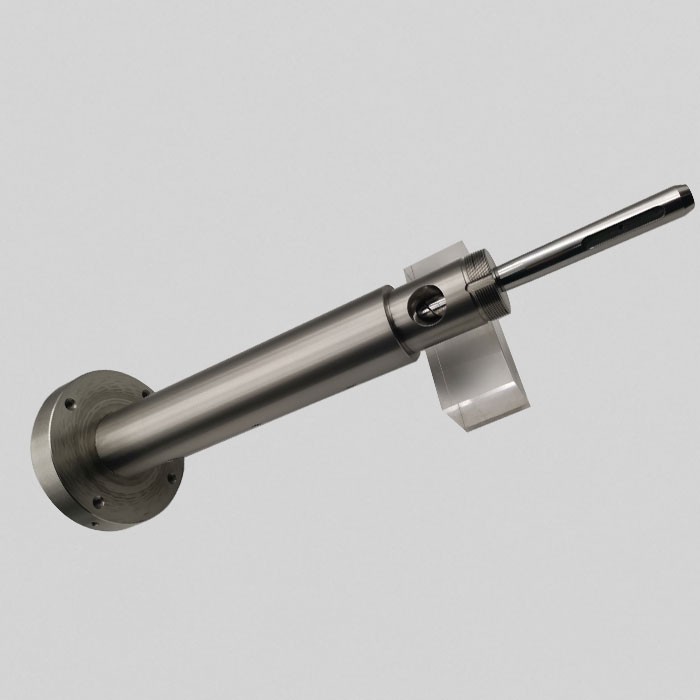
Inspection is another vital part of maintenance. Check for signs of wear and tear, such as scratches, dents, or uneven surfaces on the screw and inside the barrel. Worn - out parts can lead to inconsistent extrusion, lower product quality, and decreased efficiency. Replace any damaged components promptly. You can find high - quality replacement parts on our website, like the Extrusion Screw Barrel that we offer.
2. Optimize Screw Design
The design of the screw plays a huge role in the efficiency of the extrusion process. Different materials require different screw geometries. For instance, if you're processing materials with high viscosity, a screw with a larger compression ratio might be more suitable. A higher compression ratio helps to melt and mix the material more effectively.
On the other hand, for materials that are more heat - sensitive, a screw with a shallower flight depth can prevent overheating. You can consult with our experts to find the best screw design for your specific application. We have a wide range of Barrel Screw Extruders with various screw designs to meet different production needs.
3. Control Temperature and Pressure
Temperature and pressure are two critical factors in extrusion. Maintaining the right temperature ensures that the material melts properly and flows smoothly through the barrel. If the temperature is too low, the material may not melt completely, leading to poor product quality. If it's too high, the material can degrade, causing issues like discoloration and reduced mechanical properties.
Use reliable temperature sensors and controllers to monitor and adjust the temperature accurately. Similarly, controlling the pressure is essential. The right pressure helps to ensure a consistent flow rate and uniform product dimensions. You can use pressure - regulating valves and pumps to keep the pressure within the optimal range.
4. Choose the Right Materials
The quality of the materials used in the extrusion process can significantly impact the efficiency of the screw barrel. Using high - quality raw materials can reduce the likelihood of impurities and contaminants, which can clog the screw and barrel.
Also, consider the compatibility of the materials with the screw barrel. Some materials may react with the surface of the barrel or screw, causing corrosion or other damage. For example, acidic or alkaline materials may require a barrel and screw made of corrosion - resistant alloys. We offer Barrel in Extruder made from high - quality materials that are designed to withstand different types of materials and processing conditions.
5. Train Your Operators
Even the best - designed extrusion screw barrel won't perform efficiently if the operators don't know how to use it properly. Provide comprehensive training to your operators on how to operate the equipment, including starting and stopping procedures, adjusting temperature and pressure, and performing basic maintenance tasks.
Well - trained operators can spot potential problems early and take appropriate actions to prevent breakdowns. They can also optimize the operation of the equipment to achieve the highest efficiency. Encourage your operators to share their feedback and suggestions for improvement.
6. Upgrade Your Equipment
If your extrusion screw barrel is old or outdated, consider upgrading it. Newer models often come with advanced features and technologies that can improve efficiency. For example, some modern screw barrels have better heat - transfer capabilities, which can reduce energy consumption and processing time.
Upgrading to a more advanced control system can also provide more precise control over temperature, pressure, and other process parameters. This can lead to more consistent product quality and higher productivity. We offer a range of state - of - the - art extrusion screw barrels that can help you take your production to the next level.
7. Monitor and Analyze Performance
Keep track of the performance of your extrusion screw barrel over time. Use data - logging systems to record important parameters such as temperature, pressure, flow rate, and production output. Analyze this data regularly to identify trends and patterns.
For example, if you notice a gradual decrease in production output or an increase in energy consumption, it could be a sign of a problem. By analyzing the data, you can pinpoint the root cause and take corrective actions. This proactive approach can help you maintain high efficiency and avoid costly breakdowns.

Conclusion
Improving the efficiency of an extrusion screw barrel requires a combination of regular maintenance, optimizing screw design, controlling temperature and pressure, choosing the right materials, training operators, upgrading equipment, and monitoring performance. By implementing these tips, you can increase the productivity of your extrusion process, improve product quality, and reduce operating costs.
If you're interested in learning more about our extrusion screw barrels or need help with optimizing your extrusion process, don't hesitate to contact us for a procurement discussion. We're here to support you in achieving the best results for your business.
References
- "Extrusion of Polymers: Theory and Practice" by Christopher Rauwendaal
- "Plastics Extrusion Technology" by John F. Carley