

What is the torque requirement for an extrusion screw barrel?
As a dedicated supplier of extrusion screw barrels, I've witnessed firsthand the pivotal role that torque plays in the extrusion process. The torque requirement for an extrusion screw barrel is not a one - size - fits - all concept; it is a complex parameter influenced by a multitude of factors. Understanding these factors is crucial for optimizing the performance of the extrusion system and ensuring the production of high - quality extruded products.
Factors Affecting Torque Requirement
Material Properties
The type of material being extruded is one of the most significant factors influencing the torque requirement. Different polymers have distinct rheological properties, such as viscosity, melt flow index, and shear sensitivity. For instance, highly viscous polymers like high - density polyethylene (HDPE) require more torque to push through the screw barrel compared to low - viscosity polymers like polypropylene (PP). The molecular weight distribution of the polymer also matters. Polymers with a broad molecular weight distribution may have higher torque requirements because of the increased resistance to flow caused by the presence of both large and small molecules.
Screw Design
The design of the extrusion screw has a profound impact on the torque requirement. The screw's length - to - diameter (L/D) ratio, flight depth, and pitch all contribute to the amount of torque needed. A higher L/D ratio generally results in more mixing and shearing of the material, which can increase the torque requirement. Additionally, a shallower flight depth and a smaller pitch can lead to higher pressure generation within the screw barrel, thereby increasing the torque needed to rotate the screw. For example, a barrier screw, which is designed to improve melting efficiency, may require more torque due to its complex geometry and the increased shearing action it imparts on the material.
Barrel Temperature
Temperature control in the extruder barrel is critical for determining the torque requirement. Extruder Barrel Temperature Control ensures that the polymer reaches the appropriate melting point and maintains a consistent viscosity throughout the extrusion process. If the barrel temperature is too low, the polymer will be more viscous, increasing the torque needed to rotate the screw. Conversely, if the temperature is too high, the polymer may degrade, which can also affect the torque requirement and the quality of the final product.
Extrusion Rate
The rate at which the material is extruded, also known as the throughput, is directly related to the torque requirement. Higher extrusion rates typically demand more torque because more material needs to be pushed through the screw barrel in a given time. As the throughput increases, the pressure within the barrel rises, and the screw has to work harder to maintain the flow of the material. This relationship between extrusion rate and torque is non - linear, and it is essential to find the optimal balance to achieve efficient and cost - effective extrusion.
Calculating Torque Requirement
Calculating the exact torque requirement for an extrusion screw barrel is a challenging task due to the complex interactions between the factors mentioned above. However, some general guidelines and equations can be used as a starting point.
One common approach is to use empirical data from similar extrusion processes. By analyzing the torque requirements of past projects with comparable materials, screw designs, and extrusion rates, an estimate can be made for the new application. Additionally, some manufacturers provide torque - throughput curves for their extrusion equipment, which can be used to predict the torque requirement based on the desired throughput.
From a theoretical perspective, the torque required to rotate the screw can be calculated using the following formula:
[T = \frac{P \times Q}{\omega}]
where (T) is the torque, (P) is the pressure generated within the barrel, (Q) is the volumetric flow rate of the material, and (\omega) is the angular velocity of the screw. However, accurately determining the pressure (P) and the flow rate (Q) requires detailed knowledge of the material properties and the screw - barrel geometry.
Importance of Meeting Torque Requirements
Meeting the appropriate torque requirements is essential for several reasons. Firstly, it ensures the smooth operation of the extrusion process. If the torque requirement is not met, the screw may stall, leading to production downtime and potential damage to the equipment. On the other hand, if the motor is oversized and provides excessive torque, it can cause unnecessary wear and tear on the screw and barrel, as well as increased energy consumption.
Secondly, proper torque management is crucial for maintaining the quality of the extruded product. Insufficient torque can result in incomplete melting and mixing of the material, leading to inconsistencies in the final product's physical and mechanical properties. Excessive torque, on the other hand, can cause over - shearing of the polymer, which can degrade the material and reduce its performance.
Types of Extruder Barrels and Their Torque Considerations
Nitrided Steel Barrels
Extruder Nitrided Steel Barrel are known for their high hardness and wear resistance. The nitriding process creates a hard surface layer on the barrel, which can withstand the abrasive forces generated during the extrusion process. When using nitrided steel barrels, the torque requirement may be slightly higher compared to other types of barrels due to the increased friction between the screw and the barrel surface. However, this can be compensated for by proper lubrication and optimized screw design.

Bimetallic Barrels
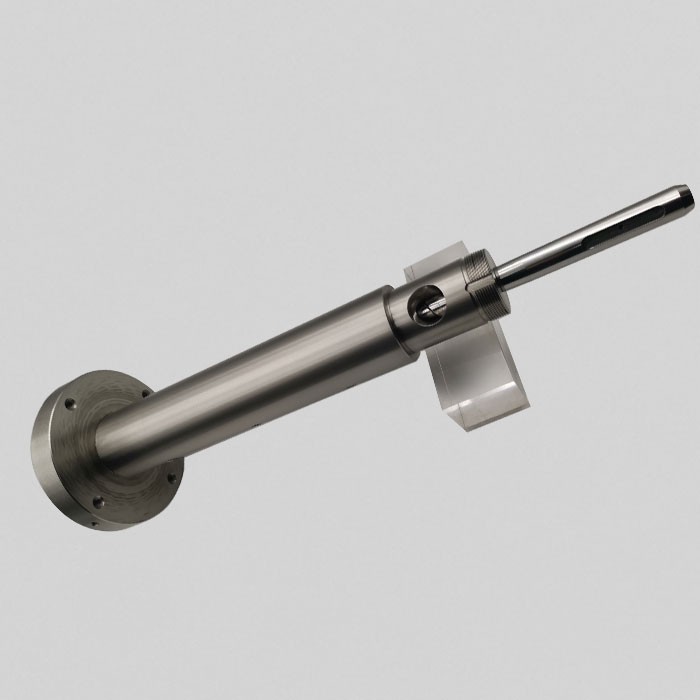
Extruder Bimetallic Barrel consist of a base metal and a wear - resistant alloy lining. These barrels offer excellent wear resistance and corrosion resistance, making them suitable for extruding abrasive and corrosive materials. The torque requirement for bimetallic barrels depends on the properties of the alloy lining and the design of the barrel. In general, the smooth surface of the alloy lining can reduce friction, resulting in a lower torque requirement compared to nitrided steel barrels in some applications.
Conclusion
In conclusion, the torque requirement for an extrusion screw barrel is a complex parameter that depends on multiple factors, including material properties, screw design, barrel temperature, and extrusion rate. Understanding these factors and accurately calculating the torque requirement is essential for optimizing the extrusion process, ensuring the smooth operation of the equipment, and producing high - quality extruded products.
As a supplier of extrusion screw barrels, I am committed to providing our customers with the best - in - class products and technical support. We understand that each extrusion application is unique, and we work closely with our customers to select the most suitable screw barrel design and ensure that the torque requirements are met. If you are in the market for an extrusion screw barrel or have any questions about torque requirements, please feel free to contact us for a detailed consultation and to discuss your specific needs. We look forward to partnering with you to achieve your extrusion goals.
References
- Rauwendaal, C. (2014). Polymer Extrusion. Hanser Publications.
- Tadmor, Z., & Gogos, C. G. (2006). Principles of Polymer Processing. Wiley - Interscience.
- Michaeli, W., & Potente, H. (Eds.). (2007). Plastics Extrusion Technology. Carl Hanser Verlag.