

Hey there! As a supplier of extruder screw barrels, I've been getting a lot of questions lately about how the temperature control of an extruder screw barrel works. So, I thought I'd take a few minutes to break it down for you.
First off, let's talk about why temperature control is so important in an extruder screw barrel. The temperature of the barrel directly affects the viscosity of the material being processed. If the temperature is too low, the material may not melt properly, leading to poor extrusion quality and even blockages in the barrel. On the other hand, if the temperature is too high, the material can degrade, causing discoloration, reduced mechanical properties, and other issues. So, maintaining the right temperature is crucial for getting the best results from your extruder.
Now, let's get into the nitty - gritty of how temperature control actually works. There are several methods used to control the temperature of an extruder screw barrel, and I'll go through the most common ones.
1. Heaters
Most extruder screw barrels are equipped with electric heaters. These heaters are usually in the form of heater bands that wrap around the outside of the barrel. The heater bands are made up of heating elements, typically made of nichrome wire, which generates heat when an electric current passes through it.
The amount of heat generated by the heater bands can be controlled by a temperature controller. The temperature controller is like the brain of the system. It has a sensor, usually a thermocouple, which is placed inside the barrel to measure the actual temperature. The controller compares the measured temperature with the set temperature (the temperature you want the barrel to be at). If the measured temperature is lower than the set temperature, the controller sends an electrical signal to the heater bands to increase the power and generate more heat. If the measured temperature is higher than the set temperature, the controller reduces the power to the heater bands, so they generate less heat.
For example, if you're processing a plastic material that requires a barrel temperature of 200°C, you'll set the temperature controller to 200°C. The thermocouple will continuously monitor the temperature inside the barrel. If the temperature drops to 190°C, the controller will tell the heater bands to ramp up the heat until the temperature reaches 200°C again.
2. Cooling Systems
In addition to heaters, extruder screw barrels also need cooling systems. There are times when the heat generated by the friction between the screw and the material, as well as the heat from the heaters, can cause the temperature to rise too high. That's where the cooling systems come in.
One common type of cooling system is water cooling. Water cooling jackets are installed around the barrel. Cool water is circulated through these jackets to absorb the excess heat from the barrel. The flow of water can be controlled by a valve, which is also regulated by the temperature controller. When the temperature inside the barrel gets too high, the temperature controller opens the valve to increase the flow of cool water, thus reducing the temperature.
Another type of cooling system is air cooling. In air - cooled systems, fans are used to blow air over the barrel to dissipate the heat. Similar to water cooling, the operation of the fans is controlled by the temperature controller.
3. Zoning
Extruder screw barrels are often divided into different zones, each with its own temperature control. This is because different parts of the barrel may require different temperatures depending on the processing requirements.
For instance, at the feed zone, where the raw material is first introduced into the barrel, the temperature is usually set lower to prevent the material from melting too early and clogging the feed throat. As the material moves further down the barrel towards the metering zone, the temperature is gradually increased to fully melt the material and ensure proper mixing.
Let's say you have a three - zone extruder barrel. The first zone (feed zone) might be set at 150°C, the second zone (compression zone) at 180°C, and the third zone (metering zone) at 200°C. Each zone has its own set of heaters, sensors, and temperature controllers, allowing for precise temperature control throughout the barrel.
4. Impact on Material Processing
The way temperature is controlled in an extruder screw barrel has a huge impact on the quality of the final product. Different materials have different melting points and processing temperature ranges. For example, polyethylene has a relatively low melting point, usually around 110 - 130°C, while polycarbonate has a much higher melting point, around 220 - 260°C.
If you're using our Extruder Screw Barrel, you can fine - tune the temperature control to match the specific requirements of the material you're processing. This ensures that the material is melted, mixed, and extruded properly, resulting in a high - quality end product with consistent properties.
5. Different Types of Barrels and Temperature Control
We offer different types of extruder barrels, each with its own characteristics when it comes to temperature control.
Our Extruder Bimetallic Barrel is designed with a combination of two different metals. The outer layer is usually made of a material with good heat - transfer properties, which helps in efficient heating and cooling. The inner layer is made of a wear - resistant material to withstand the abrasion from the material being processed. This design allows for better temperature control as the heat can be evenly distributed across the barrel.
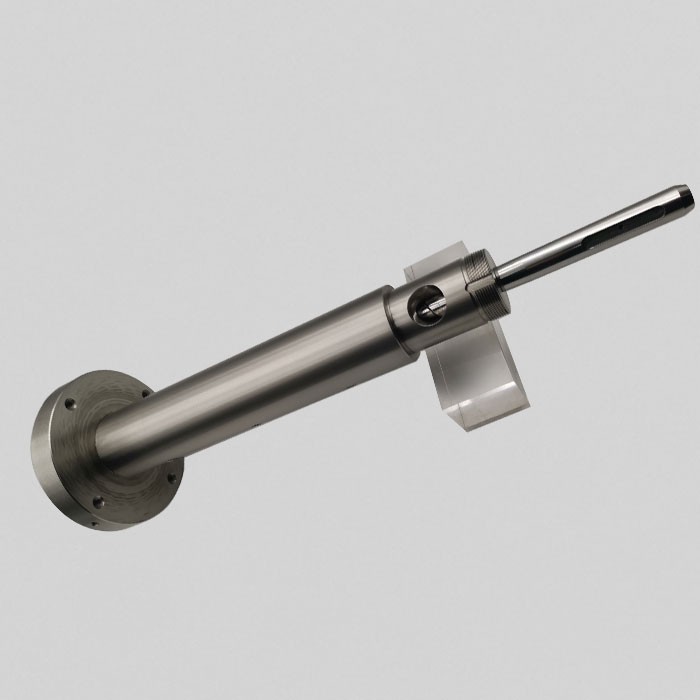

The Extruder Sintered Hard Alloy Barrel is known for its high - temperature resistance and excellent wear resistance. It can handle high - temperature processing without deforming. The temperature control in these barrels is also very precise, thanks to their uniform structure and good heat - conducting properties.
Why Choose Our Extruder Screw Barrels for Temperature Control
As a supplier, we've put a lot of effort into ensuring that our extruder screw barrels offer the best temperature control. Our barrels are made with high - quality materials and advanced manufacturing techniques, which means they can withstand the rigors of continuous operation while maintaining precise temperature control.
We also offer customized temperature control solutions. Whether you're processing a special type of material or have unique processing requirements, we can work with you to design an extruder screw barrel with the right temperature control system.
If you're in the market for an extruder screw barrel and are concerned about temperature control, we'd love to hear from you. We can provide you with detailed information about our products and how they can meet your specific needs. Just reach out to us, and we'll be happy to have a chat about your project and help you find the perfect extruder screw barrel for your application.
In conclusion, temperature control in an extruder screw barrel is a complex but crucial process. It involves a combination of heaters, cooling systems, zoning, and precise control mechanisms. By understanding how it works, you can make better decisions when it comes to choosing an extruder screw barrel and ensure that you get the best results from your extrusion process.
References
- "Extrusion of Polymers: Theory and Practice" by Christopher Rauwendaal
- "Plastics Extrusion Technology" by Allan A. Griff
- Technical manuals from extruder equipment manufacturers