

Hey there! As a supplier of injection screw barrels, I've had my fair share of experiences dealing with the ins and outs of these essential components. One of the most common questions I get from customers is how to adjust the rotation speed of the screw in an injection screw barrel. So, I thought I'd share some insights on this topic.
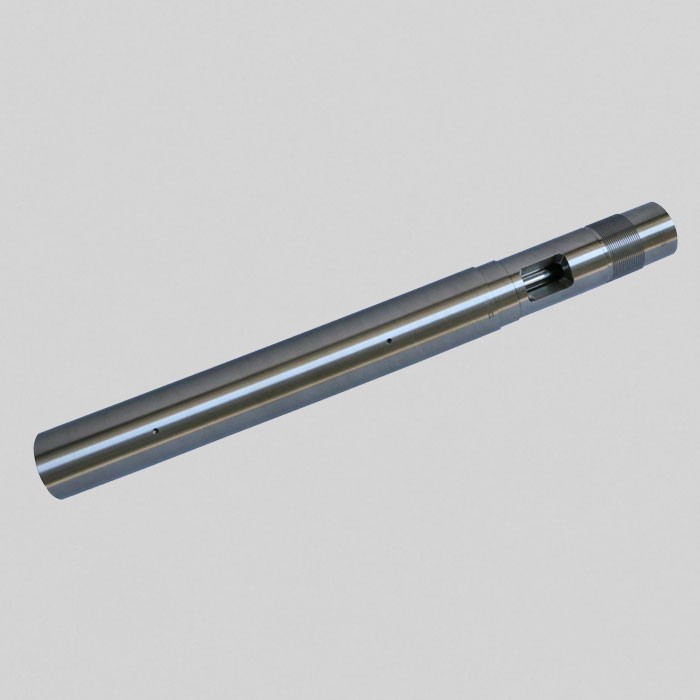

First off, let's understand why adjusting the screw rotation speed is so important. The rotation speed of the screw directly affects the plasticizing capacity, injection pressure, and the quality of the final product. If the speed is too high, it can lead to overheating of the plastic, degradation, and uneven mixing. On the other hand, if the speed is too low, the plastic may not be properly melted and plasticized, resulting in poor part quality.
Factors to Consider Before Adjusting the Speed
Before you start twiddling the knobs to change the screw rotation speed, there are a few factors you need to take into account.
Plastic Material
Different plastic materials have different melting points, viscosities, and shear sensitivities. For example, polypropylene has a relatively low melting point and low viscosity compared to engineering plastics like polycarbonate. So, the screw rotation speed for polypropylene can be higher than that for polycarbonate. You need to know the properties of the plastic you're using and refer to the material supplier's recommendations.
Injection Molding Machine Specifications
Each injection molding machine has its own set of specifications, including the maximum and minimum screw rotation speeds it can handle. You can find this information in the machine's user manual. Exceeding the machine's limits can cause damage to the equipment and pose safety risks.
Mold Design
The design of the mold also plays a role in determining the appropriate screw rotation speed. Complex molds with thin walls or intricate features may require a slower speed to ensure proper filling and avoid air traps.
Methods to Adjust the Screw Rotation Speed
Now that we've covered the factors to consider, let's talk about how to actually adjust the screw rotation speed.
Using the Machine's Control Panel
Most modern injection molding machines come with a control panel that allows you to adjust various parameters, including the screw rotation speed. You can usually find a dedicated button or menu option for this. Simply enter the desired speed value, and the machine will adjust accordingly. It's important to make small adjustments and test the results to find the optimal speed.
Variable Frequency Drives (VFDs)
Some injection molding machines are equipped with VFDs. These devices can control the speed of the electric motor that drives the screw. By adjusting the frequency of the electrical supply to the motor, you can change the screw rotation speed. VFDs offer more precise control and can be programmed to vary the speed during different stages of the injection molding process.
Mechanical Adjustments
In some older machines, you may need to make mechanical adjustments to change the screw rotation speed. This could involve changing the belt or pulley sizes. However, this method is less common nowadays and is more complex and time-consuming.
Monitoring and Optimizing the Speed
Once you've adjusted the screw rotation speed, it's crucial to monitor the injection molding process to ensure everything is working as expected. Here are some things to look out for:
Plasticizing Quality
Check the quality of the plasticized material. It should be uniform in color and consistency. If you notice any streaks, lumps, or charred spots, it could indicate that the speed is too high or too low.
Injection Pressure
Monitor the injection pressure. If the pressure is too high or fluctuating erratically, it may be a sign that the screw rotation speed needs to be adjusted.
Part Quality
Inspect the final parts for any defects, such as short shots, flash, or warping. These issues could be related to the screw rotation speed.
Based on your observations, make further adjustments to the speed until you achieve the desired results.
Importance of Regular Maintenance
Regular maintenance of the injection screw barrel is essential to ensure consistent performance and accurate speed control. Over time, the screw and barrel can wear out, which can affect the rotation speed and the quality of the plasticizing process. Here are some maintenance tips:
Cleaning
Clean the screw and barrel regularly to remove any residual plastic, dirt, or debris. This can prevent blockages and ensure smooth rotation.
Lubrication
Lubricate the moving parts of the injection molding machine, including the screw drive system, to reduce friction and wear.
Inspection
Periodically inspect the screw and barrel for signs of wear, such as scratches, grooves, or corrosion. Replace any worn-out parts as soon as possible.
Conclusion
Adjusting the rotation speed of the screw in an injection screw barrel is a crucial aspect of the injection molding process. By considering factors like the plastic material, machine specifications, and mold design, and using the appropriate adjustment methods, you can optimize the speed for better part quality and production efficiency. Remember to monitor the process and perform regular maintenance to keep your equipment in top condition.
If you're in the market for high-quality injection screw barrels, we've got you covered. We offer a wide range of products, including Barrel in Injection Moulding, Plastic Injection Screw Barrel, and Nitrided Steel Barrel for Injection Molding Machine. Our products are designed to meet the highest standards of quality and performance. If you have any questions or are interested in making a purchase, feel free to reach out to us for a friendly chat and a great deal.
References
- "Injection Molding Handbook" by O. Olszewski
- Manufacturer's user manuals for injection molding machines