

In the world of plastics processing and other extrusion applications, the barrel of an extruder plays a pivotal role. It serves as the chamber where raw materials are melted, mixed, and propelled forward to form the desired products. Different types of barrel designs have been developed over the years to meet the diverse needs of various industries. As a leading supplier of barrels for extruders, I'm excited to delve into the different types of barrel designs and their unique features.
1. Monolithic Barrels
Monolithic barrels are the most basic type of extruder barrels. They are made from a single piece of material, usually high - strength alloy steel. These barrels are known for their simplicity and durability.
The manufacturing process of monolithic barrels involves machining a solid block of metal into the desired shape. This results in a barrel with a uniform structure, which can withstand high pressures and temperatures commonly encountered in extrusion processes.
One of the main advantages of monolithic barrels is their cost - effectiveness. Since they are made from a single piece of material, the production process is relatively straightforward, reducing manufacturing costs. They are also easy to maintain, as there are no complex joints or layers that could potentially fail.
However, monolithic barrels have some limitations. They may not offer the best wear resistance in applications where the processed materials are highly abrasive. In such cases, the inner surface of the barrel can wear out quickly, leading to reduced performance and increased downtime for replacement.
2. Bimetallic Barrels Extruder Bimetallic Barrel
To overcome the wear - resistance limitations of monolithic barrels, bimetallic barrels were developed. A bimetallic barrel consists of a base layer, usually made of a strong and tough steel, and a lining layer made of a wear - resistant alloy.
The lining layer is applied to the inner surface of the base barrel using processes such as centrifugal casting or spray welding. This lining provides excellent resistance to abrasion, corrosion, and high - temperature wear.
Bimetallic barrels are widely used in applications where the extruded materials are abrasive, such as in the processing of filled plastics, recycled materials, and certain types of rubber. They can significantly extend the service life of the extruder barrel, reducing the frequency of barrel replacements and overall production costs.
Another advantage of bimetallic barrels is their ability to maintain a consistent internal diameter. The wear - resistant lining ensures that the inner surface of the barrel remains smooth and dimensionally stable over time, which is crucial for maintaining the quality and consistency of the extruded products.
3. Clad Barrels
Clad barrels are similar to bimetallic barrels in that they have a base layer and a wear - resistant layer. However, the manufacturing process of clad barrels is different. In clad barrels, the wear - resistant layer is bonded to the base barrel through a cladding process, which involves welding or brazing a thin sheet of the wear - resistant material onto the inner surface of the base barrel.
Clad barrels offer excellent wear resistance and can be customized to meet specific application requirements. The thickness and composition of the cladding layer can be adjusted depending on the type of material being processed and the operating conditions of the extruder.
One of the benefits of clad barrels is their high bond strength between the base layer and the cladding layer. This ensures that the wear - resistant layer remains firmly attached to the base barrel, even under high - stress conditions. Additionally, clad barrels can be repaired by re - cladding the worn areas, which can further extend their service life.
4. Segmented Barrels
Segmented barrels are composed of multiple barrel segments that are bolted or clamped together. This design offers several advantages over single - piece barrels.
One of the main advantages of segmented barrels is their flexibility. Different segments can be made from different materials or have different internal geometries to suit different processing requirements. For example, a segmented barrel can have a feed section with a larger diameter to facilitate the entry of raw materials and a metering section with a smaller diameter to control the flow rate and pressure of the molten material.
Segmented barrels also make it easier to access and clean the inside of the extruder. If there is a blockage or a need to change the processing material, individual segments can be removed for inspection and cleaning, reducing downtime.
However, segmented barrels require careful alignment during assembly to ensure proper functioning. Any misalignment between the segments can lead to leaks, uneven flow of the material, and reduced extruder performance.
5. Single Screw Extruder Screw Barrels Single Screw Extruder Screw Barrel
Single screw extruder screw barrels are specifically designed for single - screw extruders. These barrels work in conjunction with a single screw to convey, melt, and mix the raw materials.
The design of single screw extruder screw barrels is optimized for the performance of the single screw. The internal diameter and the helix angle of the barrel are carefully selected to ensure efficient material conveyance and melting. The barrel also needs to provide a proper seal around the screw to prevent the backflow of the molten material.
Single screw extruder screw barrels are commonly used in a wide range of applications, including the production of plastic pipes, sheets, and films. They are relatively simple in design and operation, making them a popular choice for small - to - medium - scale extrusion operations.
6. Twin Screw Extruder Barrels
Twin screw extruder barrels are designed for twin - screw extruders, which are used for more complex extrusion processes. Twin - screw extruders can handle a wider range of materials and offer better mixing and compounding capabilities compared to single - screw extruders.
Twin screw extruder barrels have two parallel bores to accommodate the two screws. The design of these barrels is more complex than single screw extruder barrels, as it needs to ensure proper synchronization and interaction between the two screws.
The internal geometry of twin screw extruder barrels can be customized to achieve different mixing and conveying effects. For example, the barrels can have different screw profiles, such as co - rotating or counter - rotating screws, depending on the specific application requirements.
Twin screw extruder barrels are commonly used in applications such as polymer compounding, reactive extrusion, and food processing, where high - intensity mixing and precise control of the extrusion process are required.
7. Barrel Screw Extruders Barrel Screw Extruder
Barrel screw extruders combine the functions of the barrel and the screw in a single unit. These extruders are designed to provide a compact and efficient solution for extrusion processes.
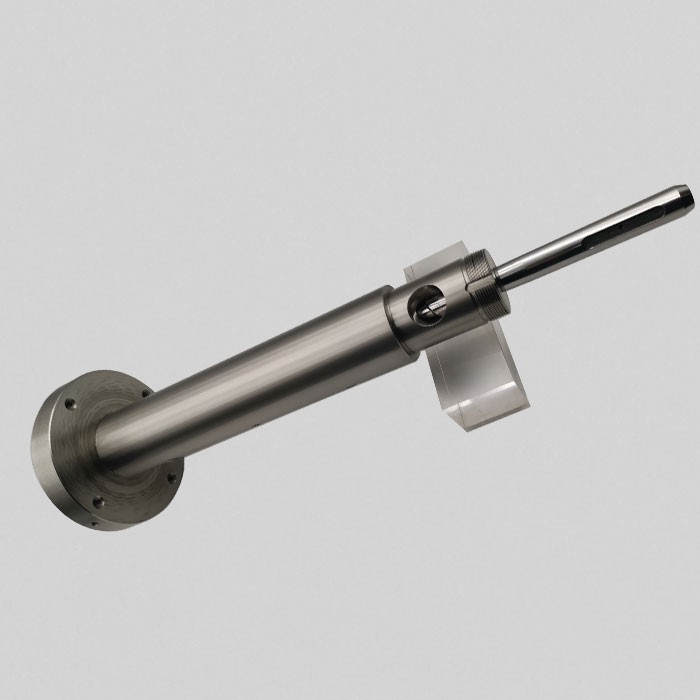

The barrel screw extruder consists of a barrel with an integrated screw. The design of the barrel and the screw is optimized to ensure efficient material feeding, melting, and extrusion. The internal surface of the barrel is often designed with special features, such as grooves or flights, to enhance the mixing and conveying of the materials.
Barrel screw extruders are suitable for a variety of applications, including small - scale plastic processing, laboratory research, and some specialized industrial applications. They are relatively easy to operate and maintain, making them a popular choice for users who require a simple and cost - effective extrusion solution.
Conclusion
As a supplier of barrels for extruders, we understand the importance of choosing the right barrel design for your specific application. Each type of barrel design has its own unique advantages and limitations, and the selection should be based on factors such as the type of material being processed, the operating conditions of the extruder, and the desired quality and output of the extruded products.
Whether you need a monolithic barrel for a simple and cost - effective solution, a bimetallic barrel for enhanced wear resistance, or a segmented barrel for greater flexibility, we have the expertise and resources to provide you with the best - suited barrel for your extruder.
If you are interested in learning more about our barrel products or would like to discuss your specific extrusion requirements, please feel free to contact us. Our team of experts is ready to assist you in selecting the right barrel design and providing you with high - quality products and excellent customer service.
References
- "Extrusion of Polymers: Theory and Practice" by John A. Brydson
- "Plastics Extrusion Technology" by Allan A. Griff
- Industry reports and technical papers on extruder barrel design and manufacturing.