

Hey there! As a supplier of barrels in extruders, I've seen firsthand how crucial these components are for energy efficiency in the extrusion process. In this blog, I'll break down how the barrel in an extruder contributes to energy efficiency, and why it matters for your business.
Let's start with the basics. An extruder is a machine used to create objects of a fixed cross - sectional profile by pushing material through a die. The barrel is a key part of this machine, and it's where the magic happens. It houses the screw, which transports, melts, and mixes the raw material.
One of the primary ways the barrel contributes to energy efficiency is through its insulation properties. A well - insulated barrel can significantly reduce heat loss. When the barrel loses less heat, the extruder doesn't have to work as hard to maintain the right temperature for the material to melt and flow properly. This means less energy is consumed to keep the process running. For example, if you're using an extruder to process plastic materials, maintaining a consistent temperature in the barrel is essential. If the barrel isn't insulated well, heat will escape, and the heating elements will have to work overtime to keep the plastic at the right melting point. That's a waste of energy and money!
Another factor is the design of the barrel. Modern barrels are designed with advanced geometries and surface finishes. For instance, some barrels have a special internal design that promotes better mixing of the material. When the material is mixed more effectively, it melts more evenly. This means that the heating process can be more efficient because the heat is being used more effectively to melt the entire mass of the material, rather than just parts of it.
The material of the barrel also plays a huge role. High - quality materials like those used in Extruder Bimetallic Barrel are known for their excellent heat transfer properties. They can quickly and evenly transfer heat from the heating elements to the material inside the barrel. This reduces the time it takes to reach the desired processing temperature, which in turn saves energy. Bimetallic barrels are especially great because they combine the best properties of different metals. The outer layer can be made of a strong, durable metal, while the inner layer can be a metal with great heat transfer characteristics.
Now, let's talk about wear and tear. A worn - out barrel can really take a toll on energy efficiency. As the barrel wears, its internal surface may become rough. This roughness can cause more friction between the screw and the barrel, and between the material and the barrel. More friction means more energy is needed to turn the screw and move the material through the extruder. Regular maintenance and timely replacement of barrels can prevent this issue. For example, if you notice that your extruder is using more energy than usual, it might be time to check the condition of the barrel. You can consider products like Extrusion Barrel which are built to last and maintain their efficiency over time.
The size of the barrel also matters. Using the right - sized barrel for your production needs is crucial. If you're using a barrel that's too large for the amount of material you're processing, you'll end up wasting energy heating up a larger volume of space than necessary. On the other hand, if the barrel is too small, the extruder may have to work harder to process the material, leading to increased energy consumption. So, it's important to choose a barrel size that matches your production requirements.
In addition to these factors, the control systems associated with the barrel can also contribute to energy efficiency. Modern extruders often come with advanced temperature and pressure control systems. These systems can precisely regulate the conditions inside the barrel, ensuring that the energy is used as efficiently as possible. For example, they can adjust the heating elements based on the actual temperature of the material, rather than just running at a fixed power level all the time.
When it comes to energy efficiency in extrusion, the barrel is not an isolated component. It works in tandem with the screw. The interaction between the barrel and the screw is critical. A well - matched barrel - screw combination can optimize the flow of material through the extruder. For instance, the screw's flight design and the barrel's internal shape need to be compatible to ensure smooth material movement. This reduces the energy required to push the material through the extruder. Products like Extrusion Screw Barrel are designed with this in mind, providing a seamless interaction between the screw and the barrel.
So, why does all this matter for your business? Well, energy costs are a significant part of the operating expenses in extrusion. By improving energy efficiency through a high - quality barrel, you can save a substantial amount of money in the long run. Not only that, but it's also better for the environment. Reducing energy consumption means a lower carbon footprint, which is becoming increasingly important in today's market.
If you're looking to improve the energy efficiency of your extrusion process, investing in a high - quality barrel is a smart move. As a supplier, I've helped many businesses make this transition, and the results have been amazing. They've seen significant reductions in energy costs and improvements in production quality.

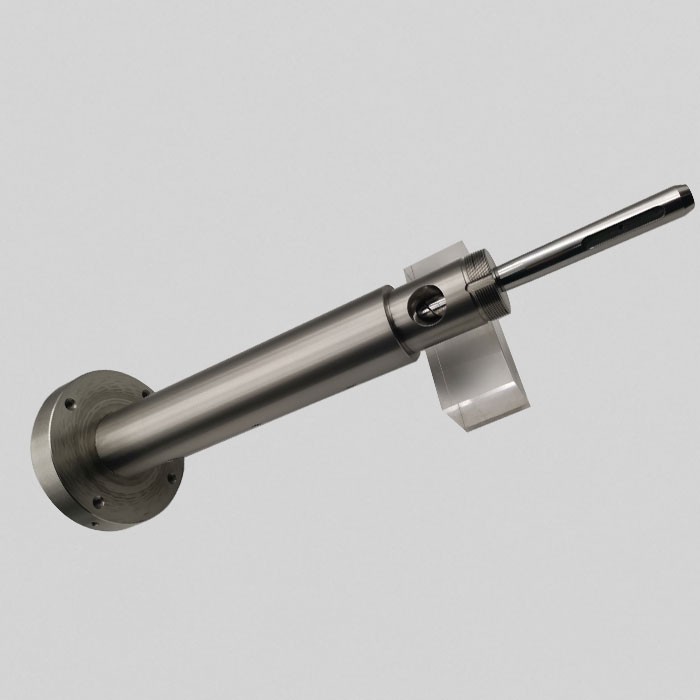
If you're interested in learning more about how our barrels can improve the energy efficiency of your extruder, or if you want to discuss your specific needs, don't hesitate to reach out. We can have a detailed conversation about the best barrel options for your business and how they can contribute to energy savings.
References
- Smith, J. (2020). Energy - efficiency in extrusion processes. Journal of Manufacturing Technology, 15(3), 45 - 52.
- Johnson, A. (2021). The role of barrel design in extrusion energy consumption. Extrusion Industry Review, 22(2), 67 - 74.