

Hey there! As a supplier of extruder barrels, I often get asked about the power consumption of these crucial components. So, let's dive right in and break down what affects the power consumption of an extruder barrel.
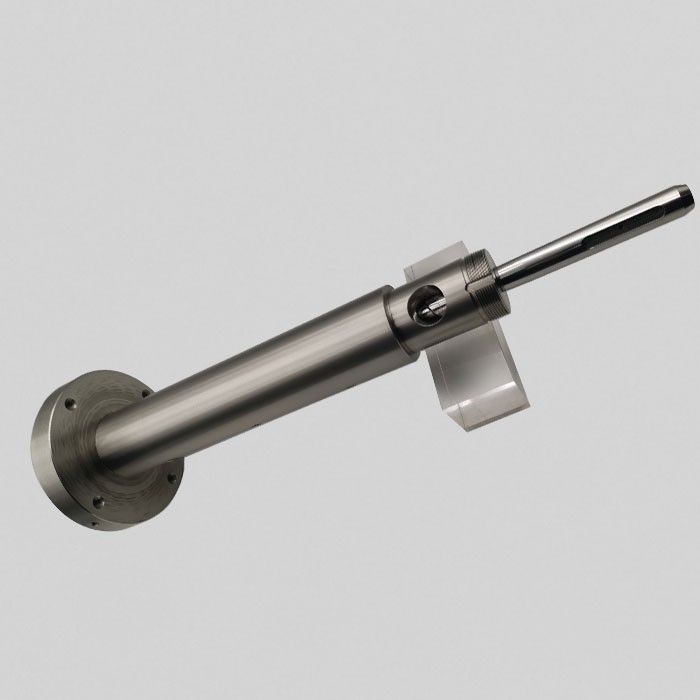
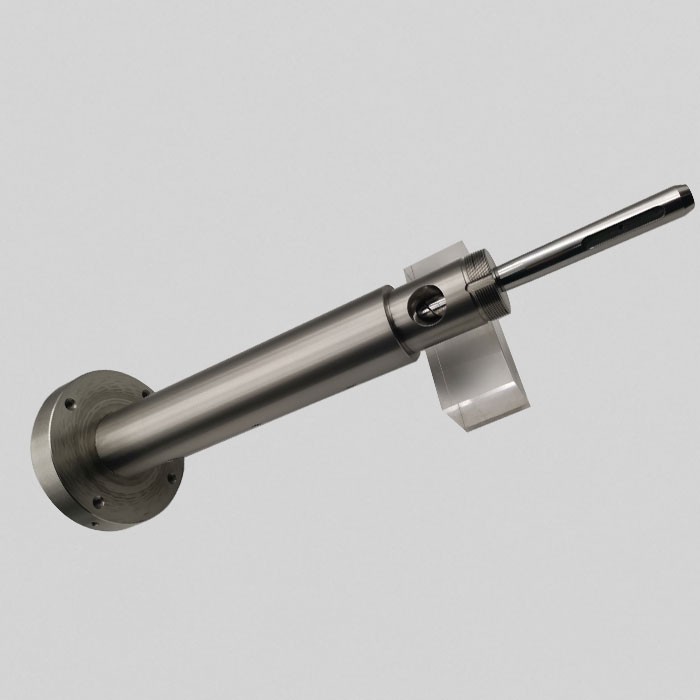
First off, what exactly is an extruder barrel? Well, it's a key part of an extrusion system. You can learn more about it here: Barrel in Extruder. The barrel works in tandem with the screw to process materials like plastics, rubber, and more. Together, they form the Barrel Screw Extruder, which is responsible for melting, mixing, and pushing the material through a die to create the desired shape.
Now, let's talk about the factors that influence the power consumption of an extruder barrel.
1. Material Properties
The type of material being processed plays a huge role. Different materials have different melting points, viscosities, and thermal conductivities. For example, processing high - density polyethylene (HDPE) requires less energy compared to processing polycarbonate. HDPE has a lower melting point and lower viscosity, which means it flows more easily through the extruder barrel. On the other hand, polycarbonate has a higher melting point and higher viscosity, so the extruder has to work harder to melt and push it through. This results in higher power consumption.
2. Barrel Design
The design of the extruder barrel also matters. A well - designed barrel can optimize the flow of the material and reduce energy losses. For instance, a barrel with a proper internal geometry can ensure uniform heating and mixing of the material. The Extrusion Screw Barrel we supply is carefully engineered to minimize power consumption. We use advanced manufacturing techniques to create a smooth internal surface, which reduces friction between the material and the barrel wall. Less friction means less energy is wasted in overcoming resistance, thus lowering power consumption.
3. Screw Speed
The speed at which the screw rotates inside the barrel is another important factor. Generally, as the screw speed increases, the power consumption also goes up. This is because a faster - rotating screw has to work harder to push the material through the barrel. However, it's not always a straightforward relationship. Sometimes, increasing the screw speed can actually improve the efficiency of the extrusion process, especially if the material is being processed at a sub - optimal rate. In such cases, a moderate increase in screw speed can lead to better mixing and a more consistent output, which might offset the increase in power consumption.
4. Heating and Cooling Requirements
Extruder barrels need to be heated to melt the material and then cooled in some cases to control the temperature and the properties of the final product. The power required for heating and cooling can be a significant part of the overall power consumption. Using energy - efficient heating elements and cooling systems can make a big difference. For example, we offer extruder barrels with advanced heating bands that are designed to heat up quickly and evenly, using less energy in the process. And our cooling systems are optimized to remove heat efficiently without consuming excessive power.
5. Operational Conditions
The operating conditions of the extruder, such as the throughput rate and the back pressure, also affect power consumption. A higher throughput rate usually means more material is being processed per unit of time, which requires more energy. Similarly, a higher back pressure, which is the resistance the material faces when exiting the die, can increase power consumption. Operators need to find the right balance between throughput, back pressure, and other factors to optimize power usage.
Measuring and Reducing Power Consumption
So, how can you measure the power consumption of an extruder barrel? Most modern extruders come with power meters that can provide real - time data on the energy being used. By monitoring this data, operators can identify any abnormal increases in power consumption, which could indicate a problem with the extruder or the process.
To reduce power consumption, here are some tips:
- Regular Maintenance: Keeping the extruder barrel and screw clean and well - maintained can improve efficiency. Worn - out parts can cause increased friction and energy losses.
- Optimized Process Settings: Adjusting the screw speed, temperature, and other process parameters to match the material being processed can lead to significant energy savings.
- Upgrading Equipment: Consider upgrading to more energy - efficient extruder barrels and components. Our company offers a range of high - performance extruder barrels that are designed to minimize power consumption without sacrificing performance.
As a supplier, we understand the importance of energy efficiency for our customers. That's why we're constantly researching and developing new technologies to improve the power consumption of our extruder barrels. Whether you're in the plastics, rubber, or other industries, our extruder barrels can help you save on energy costs while delivering high - quality products.
If you're interested in learning more about our extruder barrels or want to discuss your specific requirements, feel free to reach out. We're here to help you find the best solution for your extrusion needs. Contact us to start a conversation about your potential purchase and see how we can work together to optimize your production process.
References
- "Plastics Extrusion Technology" by Hanser Publishers
- "Extrusion of Polymers: Theory and Practice" by CRC Press