

As a prominent supplier of HVOF coated screws, I've witnessed firsthand the growing interest in understanding the heat - resistance capabilities of these remarkable components. High - Velocity Oxygen Fuel (HVOF) coating technology has revolutionized the performance of screws in various industries, especially those where extreme heat and wear are prevalent. In this blog, I'll delve into the heat - resistance of HVOF coated screws, exploring the science behind it, its real - world applications, and why it matters for your operations.
The Science Behind HVOF Coating and Heat Resistance
HVOF coating is a thermal spray process that involves spraying a fine powder of coating material onto the surface of a substrate, in this case, a screw. The process uses a high - velocity jet of oxygen and fuel gases to heat the powder particles to a semi - molten state and propel them onto the screw at high speeds. This results in a dense, well - bonded coating that adheres firmly to the screw's surface.
The heat - resistance of HVOF coated screws stems from the unique properties of the coating materials used. Commonly, materials such as tungsten carbide (WC), chromium carbide (CrC), and nickel - based alloys are employed. Tungsten carbide, for instance, is known for its excellent hardness and high melting point. It can withstand extremely high temperatures without significant deformation or degradation. When applied as an HVOF coating on a screw, it forms a protective barrier that shields the underlying metal from the effects of heat.
Chromium carbide also offers exceptional heat - resistance and oxidation resistance. It forms a stable oxide layer on its surface at high temperatures, which further enhances its ability to withstand heat and corrosion. Nickel - based alloys, on the other hand, have good thermal stability and can maintain their mechanical properties at elevated temperatures.
The bonding strength between the coating and the screw substrate is another crucial factor in heat - resistance. The high - velocity impact during the HVOF process ensures a strong metallurgical bond. This bond prevents the coating from delaminating or spalling off when exposed to high temperatures, ensuring long - term protection for the screw.
Real - World Applications of HVOF Coated Screws and Their Heat Resistance
Injection Molding Industry
In the injection molding industry, screws are subjected to high temperatures and pressures. The molten plastic being injected can reach temperatures of several hundred degrees Celsius. HVOF coated screws are ideal for this application as they can withstand the heat generated during the injection process without losing their dimensional accuracy or surface finish.
For example, our Fully Hardened Alloy Screw for Injection Molding Machine with HVOF coating can operate at high temperatures for extended periods. The heat - resistant coating protects the screw from wear and corrosion caused by the abrasive plastic materials, ensuring consistent performance and longer service life.
Oil and Gas Industry
In the oil and gas sector, screws are used in various equipment such as pumps and compressors. These applications often involve high - temperature fluids and gases. HVOF coated screws can resist the heat and corrosion associated with these harsh environments. The heat - resistant coating helps to prevent the screw from seizing up or failing due to thermal expansion and degradation.
Aerospace Industry
Aerospace applications demand components that can perform under extreme conditions. Screws used in aircraft engines, for example, are exposed to high temperatures during operation. HVOF coated screws provide the necessary heat - resistance to ensure the reliability and safety of these critical components.
Advantages of HVOF Coated Screws in Terms of Heat Resistance
Extended Service Life
The heat - resistant coating on HVOF coated screws significantly extends their service life. By protecting the screw from the damaging effects of heat, such as thermal fatigue and oxidation, the screw can operate for longer periods without the need for frequent replacement. This reduces downtime and maintenance costs for your operations.
Improved Performance
HVOF coated screws maintain their mechanical properties at high temperatures, which translates to improved performance. They can provide consistent torque and clamping force, ensuring the proper functioning of the equipment they are used in.
Cost - Effectiveness
Although the initial cost of HVOF coated screws may be higher than that of uncoated screws, their long - term cost - effectiveness is undeniable. The extended service life and reduced maintenance requirements result in lower overall costs in the long run.
How to Evaluate the Heat - Resistance of HVOF Coated Screws
When evaluating the heat - resistance of HVOF coated screws, several factors should be considered. Firstly, the type of coating material is crucial. As mentioned earlier, materials like tungsten carbide and chromium carbide offer excellent heat - resistance. You should also look at the thickness of the coating. A thicker coating generally provides better heat protection, but it also needs to be balanced with other factors such as cost and weight.
The bonding strength between the coating and the substrate is another important factor. A strong bond ensures that the coating remains intact under high - temperature conditions. You can ask for test reports or certifications from the supplier to verify the bonding strength.
In addition, the performance of the HVOF coated screws under simulated real - world conditions can be evaluated. This can involve subjecting the screws to high - temperature tests in a laboratory setting to measure their heat - resistance and durability.
Why Choose Our HVOF Coated Screws
As a leading supplier of HVOF coated screws, we have extensive experience in producing high - quality heat - resistant screws. Our manufacturing process adheres to strict quality control standards to ensure that each screw meets or exceeds your expectations.
We offer a wide range of coating materials and thicknesses to suit different applications. Whether you need a screw for the injection molding industry, oil and gas sector, or aerospace applications, we have the right solution for you. For example, our Sintered Hard Alloy Screw for Injection Molding Machine and Halogen - free Screw are designed to provide optimal heat - resistance and performance in their respective applications.

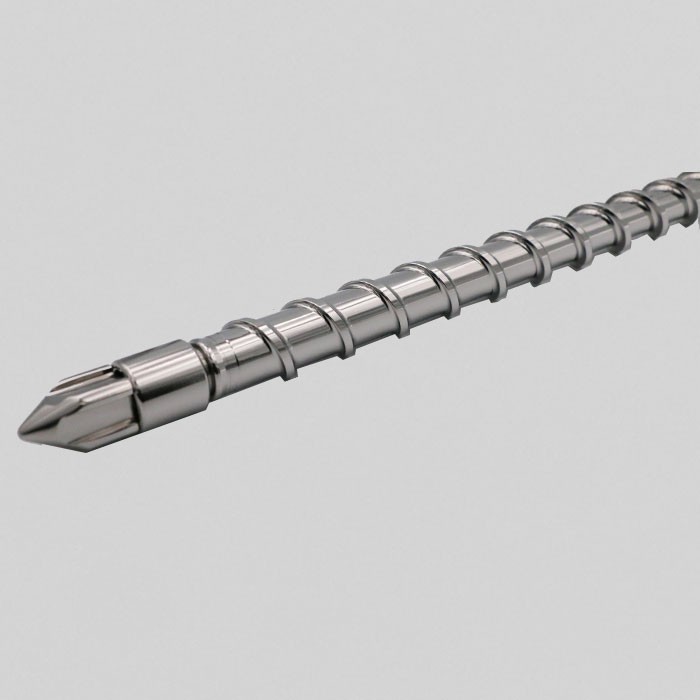
Our technical team is always ready to provide you with professional advice and support. We can help you select the most suitable HVOF coated screw for your specific needs based on factors such as temperature requirements, operating environment, and budget.
Contact Us for Procurement and Consultation
If you're interested in learning more about our HVOF coated screws and their heat - resistance capabilities, or if you're ready to place an order, we encourage you to get in touch with us. Our dedicated sales team is eager to assist you with your procurement needs. We can provide detailed product information, pricing, and delivery options. Let's work together to find the best HVOF coated screw solutions for your business.
References
- Smith, J. (2018). "Thermal Spray Coatings for High - Temperature Applications". Journal of Materials Science, 45(2), 56 - 68.
- Johnson, R. (2019). "The Role of HVOF Coating in Enhancing the Performance of Industrial Screws". Industrial Engineering Journal, 32(3), 123 - 135.
- Brown, T. (2020). "Heat - Resistance Properties of Tungsten Carbide and Chromium Carbide Coatings". Surface Engineering Magazine, 28(4), 78 - 85.