

As a leading extrusion barrel supplier, I often encounter inquiries from clients about the factors affecting the melting efficiency in an extrusion barrel. Understanding these factors is crucial for optimizing the extrusion process, enhancing product quality, and reducing production costs. In this blog post, I will delve into the key elements that influence melting efficiency and share insights based on my years of experience in the industry.
1. Barrel Design and Geometry
The design and geometry of the extrusion barrel play a vital role in determining melting efficiency. The barrel's inner diameter, length, and the screw's configuration all impact the flow path and residence time of the material within the barrel.
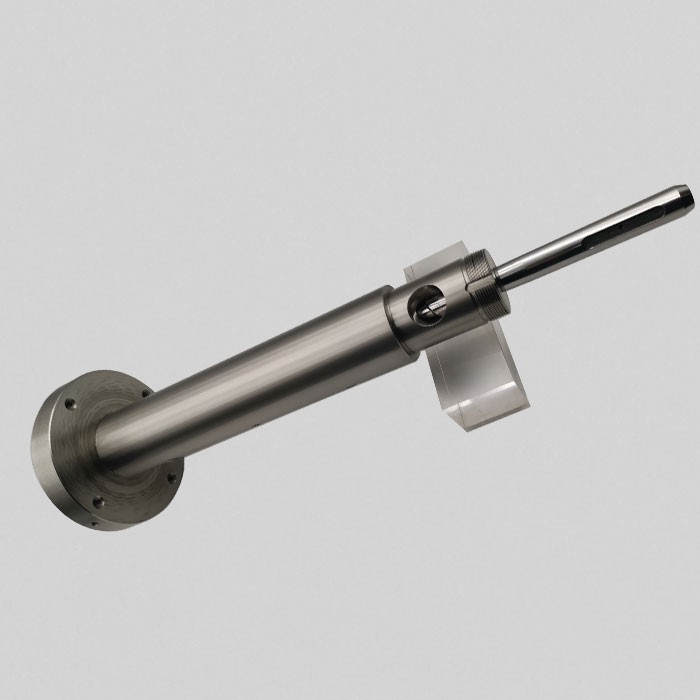
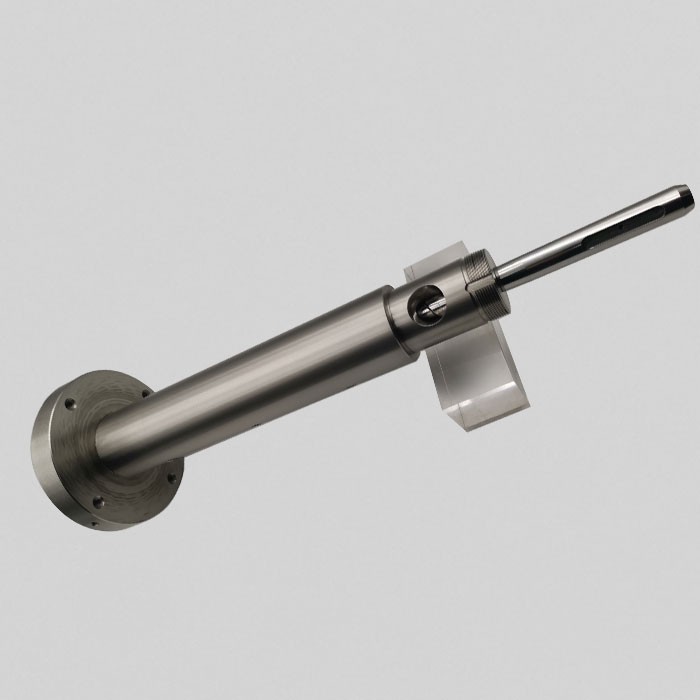
A properly designed barrel should provide sufficient surface area for heat transfer and shear mixing. For instance, a longer barrel generally allows for more extended contact between the material and the heated barrel wall, promoting better melting. However, if the barrel is too long, it may lead to overheating and degradation of the material.
The screw design is equally important. Different screw geometries, such as single - flighted, multi - flighted, or barrier screws, have varying effects on melting efficiency. A well - designed screw can effectively convey, compress, and melt the polymer. For example, barrier screws are designed to separate the solid and molten polymer phases, enhancing the melting process by providing better heat transfer and shear mixing. Visit our Extrusion Screw Barrel page to explore our range of high - quality screw barrels designed for optimal melting.
2. Operating Temperature
Temperature is one of the most critical factors affecting melting efficiency. The barrel is usually equipped with heating elements to raise the temperature of the polymer to its melting point. However, maintaining the correct temperature profile along the length of the barrel is essential.
The initial heating zone of the barrel should quickly raise the temperature of the solid polymer to start the melting process. As the polymer moves along the barrel, the temperature needs to be carefully controlled to ensure complete melting without causing thermal degradation. Overheating can lead to discoloration, reduced mechanical properties, and increased viscosity of the polymer.
On the other hand, if the temperature is too low, the polymer may not melt completely, resulting in uneven extrusion and poor product quality. Our Single Screw Extruder Screw Barrel products are designed with advanced heating and temperature control systems to provide precise temperature regulation for efficient melting.
3. Shear Rate
Shear rate refers to the rate at which the layers of polymer flow past each other within the extrusion barrel. It is generated by the rotation of the screw and the movement of the polymer through the narrow gaps between the screw and the barrel wall.
High shear rates can significantly enhance melting efficiency by generating frictional heat within the polymer. This internal heat generation, combined with the external heat from the barrel, helps to melt the polymer more quickly. However, excessive shear rates can cause polymer degradation and increase the energy consumption of the extrusion process.
The shear rate can be controlled by adjusting the screw speed, barrel diameter, and the clearance between the screw and the barrel. Optimal shear rate settings depend on the type of polymer being processed. For example, polymers with high melting points or high viscosity may require higher shear rates for efficient melting. Our Extruder Sintered Hard Alloy Barrel is engineered to withstand high - shear forces, ensuring long - term performance and stable melting efficiency.
4. Polymer Properties
The properties of the polymer being processed have a direct impact on melting efficiency. Different polymers have different melting points, viscosities, and thermal conductivities, which affect how they respond to heat and shear within the extrusion barrel.
Polymers with high melting points require higher temperatures and more energy to melt. For example, engineering plastics such as polyetheretherketone (PEEK) have relatively high melting points compared to common plastics like polyethylene. These polymers may need longer residence times in the barrel and more precise temperature control.
Viscosity also plays a crucial role. High - viscosity polymers are more resistant to flow, which can make it difficult to achieve uniform melting. To process high - viscosity polymers, higher temperatures and shear rates may be required. Additionally, polymers with low thermal conductivity may take longer to transfer heat, affecting the overall melting efficiency.
5. Feeding Rate
The feeding rate of the polymer into the extrusion barrel affects the melting process. If the feeding rate is too high, the barrel may not be able to provide enough heat and shear to melt the polymer completely, resulting in unmelted polymer particles in the extrudate.
Conversely, if the feeding rate is too low, the production capacity will be reduced, and the screw may run dry, leading to increased wear and tear. A balanced feeding rate should be determined based on the capacity of the extruder, the properties of the polymer, and the desired production output.
6. Material Additives
Many polymers are formulated with additives such as plasticizers, stabilizers, and fillers. These additives can affect the melting behavior of the polymer blend.
Plasticizers, for example, reduce the polymer's melting point and viscosity, making it easier to process and improving melting efficiency. Stabilizers protect the polymer from thermal degradation during the melting process, allowing for more consistent and efficient melting. Fillers, however, can have a more complex effect. While some fillers can enhance the mechanical properties of the final product, they may also increase the viscosity of the polymer blend and require higher processing temperatures and shear forces for melting.
Conclusion
In summary, the melting efficiency in an extrusion barrel is influenced by multiple factors, including barrel design, operating temperature, shear rate, polymer properties, feeding rate, and material additives. As an extrusion barrel supplier, we understand the importance of these factors in achieving optimal extrusion performance.
Our company is committed to providing high - quality extrusion barrels and related products that are designed to address these factors and meet the diverse needs of our customers. By working closely with our clients, we can help them identify the best solutions for their specific extrusion applications, ensuring efficient melting, high - quality products, and cost - effective production.
If you are interested in learning more about our extrusion barrels or have any questions regarding the extrusion process and melting efficiency, we encourage you to contact us. Our experienced team is ready to assist you in making the right decisions for your extrusion needs and look forward to discussing procurement arrangements with you.
References
- Tadmor, Z., & Gogos, C. G. (2006). Principles of Polymer Processing. Wiley - Interscience.
- Rauwendaal, C. (1994). Polymer Extrusion. Hanser Gardner Publications.
- Menges, G., Michaeli, W., & Mohren, G. (2001). Plastics Processing. Carl Hanser Verlag.