

Hey there! As a supplier of injection screw barrels, I've seen firsthand how important it is to understand what causes wear and tear on these crucial components. In this blog, I'll break down the main factors that lead to the degradation of injection screw barrels, so you can take steps to extend their lifespan and keep your production running smoothly.
1. Material Abrasion
One of the most common causes of wear and tear on an injection screw barrel is material abrasion. When you're injecting different types of plastics, they can vary widely in terms of their hardness and abrasiveness. For example, filled plastics like those with glass fibers or mineral fillers are much more abrasive than unfilled ones.
As these abrasive materials are pushed through the screw barrel during the injection molding process, they rub against the inner surface of the barrel and the screw. Over time, this friction causes the metal to wear away. The harder and more abrasive the material, the faster the wear will occur.
If you're dealing with highly abrasive materials, you might want to consider using a Bimetallic Barrel for Injection Molding Machine. These barrels have a special lining that is more resistant to abrasion, which can significantly extend their lifespan.
2. Corrosion
Corrosion is another major culprit when it comes to wear and tear on injection screw barrels. Some plastics, especially those with additives or chemicals, can be corrosive to the metal of the barrel and screw. For instance, certain types of PVC (polyvinyl chloride) contain chlorine, which can react with the metal and cause corrosion.
Moisture can also play a role in corrosion. If the environment where the injection molding machine is located is humid, or if there's any water leakage in the system, it can accelerate the corrosion process.
To combat corrosion, you can opt for a Nitrided Steel Barrel for Injection Molding Machine. Nitriding is a surface treatment that creates a hard, corrosion - resistant layer on the steel, protecting it from the harmful effects of corrosive plastics and moisture.

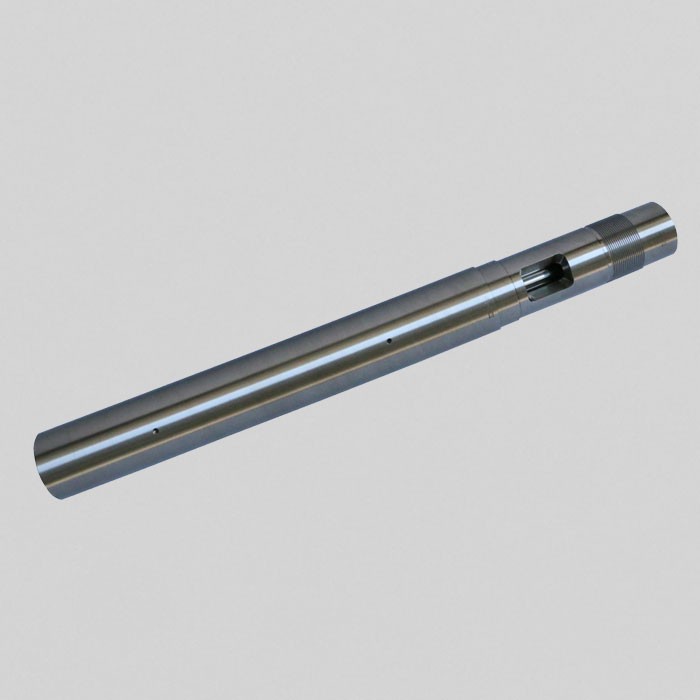
3. High Temperatures
The injection molding process involves heating the plastic to a high temperature so that it can be melted and injected into the mold. These high temperatures can take a toll on the injection screw barrel.
At elevated temperatures, the metal of the barrel and screw can expand. Repeated heating and cooling cycles cause thermal stress, which can lead to cracks and deformation over time. The higher the temperature and the more frequent the cycles, the greater the damage.
To manage the effects of high temperatures, it's important to have a good temperature control system in place. Make sure the heating elements are working properly and that the cooling system can effectively remove excess heat. Also, choosing a high - quality Injection Screw Barrel that is designed to withstand high temperatures can make a big difference.
4. Improper Machine Operation
How you operate the injection molding machine can also cause wear and tear on the screw barrel. For example, if the screw speed is set too high, it can increase the friction between the screw and the barrel, leading to faster wear. Similarly, over - filling the hopper can put extra stress on the screw and barrel, causing premature damage.
Another common mistake is not properly cleaning the barrel and screw between different plastic materials. Residual plastic from one batch can react with the next batch, causing blockages and increasing wear.
To avoid these issues, make sure your operators are well - trained. They should know the correct settings for different plastics and how to properly clean and maintain the equipment.
5. Mechanical Stress
Mechanical stress can occur due to misalignment of the screw and barrel, or due to excessive pressure during the injection process. If the screw is not properly aligned with the barrel, it can cause uneven wear on the barrel walls. This can lead to a situation where the barrel has to be replaced prematurely.
Excessive injection pressure can also cause mechanical stress. When the pressure is too high, it can put a strain on the screw and barrel, leading to deformation and wear.
Regular maintenance and alignment checks are essential to prevent mechanical stress. Make sure all the components of the injection molding machine are in good working order and properly aligned.
Tips to Minimize Wear and Tear
Now that we've identified the main causes of wear and tear on injection screw barrels, let's talk about some tips to minimize it:
- Select the Right Barrel: As mentioned earlier, choosing the right type of barrel for your specific plastic materials is crucial. If you're using abrasive plastics, go for a bimetallic barrel. For corrosive plastics, a nitrided steel barrel is a better option.
- Proper Maintenance: Regular cleaning and lubrication of the screw and barrel can significantly extend their lifespan. Make sure to follow the manufacturer's recommendations for maintenance.
- Monitor Operating Conditions: Keep an eye on the temperature, pressure, and screw speed during the injection molding process. Make adjustments as needed to ensure optimal operating conditions.
- Train Your Operators: Well - trained operators are your best defense against premature wear and tear. Make sure they know how to operate the machine correctly and how to identify and address potential issues.
Conclusion
Understanding what causes wear and tear on an injection screw barrel is the first step in ensuring the longevity of your equipment. By taking the right precautions, such as choosing the appropriate barrel, maintaining the equipment properly, and training your operators, you can minimize the damage and keep your production costs down.
If you're in the market for a new injection screw barrel or need advice on the best type for your application, don't hesitate to reach out. We're here to help you find the perfect solution for your injection molding needs. Whether you're looking for a Bimetallic Barrel for Injection Molding Machine, a Nitrided Steel Barrel for Injection Molding Machine, or a standard Injection Screw Barrel, we've got you covered. Contact us today to start a conversation about your requirements.
References
- "Injection Molding Handbook" by O. Olanipekun
- "Plastics Processing Machinery" by George W. Ehrenstein