

The barrel in an injection molding machine plays a crucial role in the entire injection molding process. As a supplier of barrels in injection molding, I have witnessed firsthand the significance of various barrel properties, especially the surface hardness. In this blog, I will delve into the effects of the barrel's surface hardness on injection molding and why it matters to the industry.
Understanding the Basics of Barrel in Injection Molding
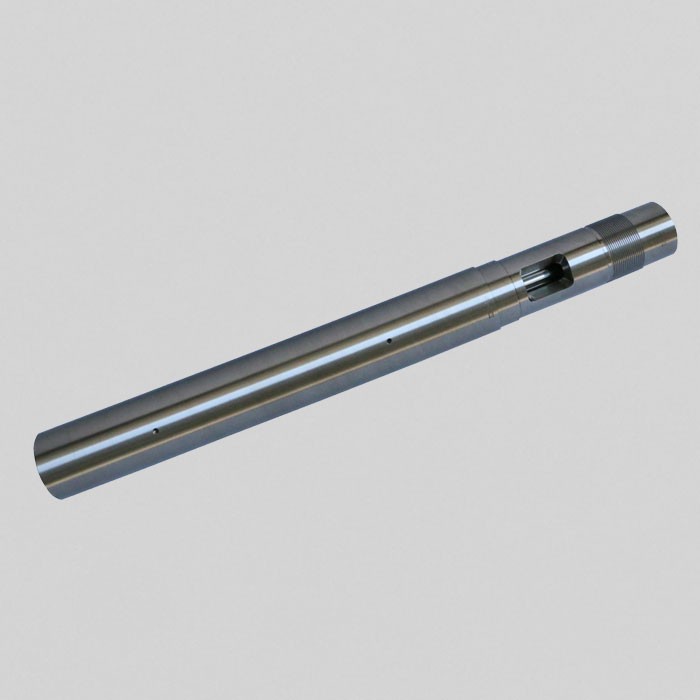
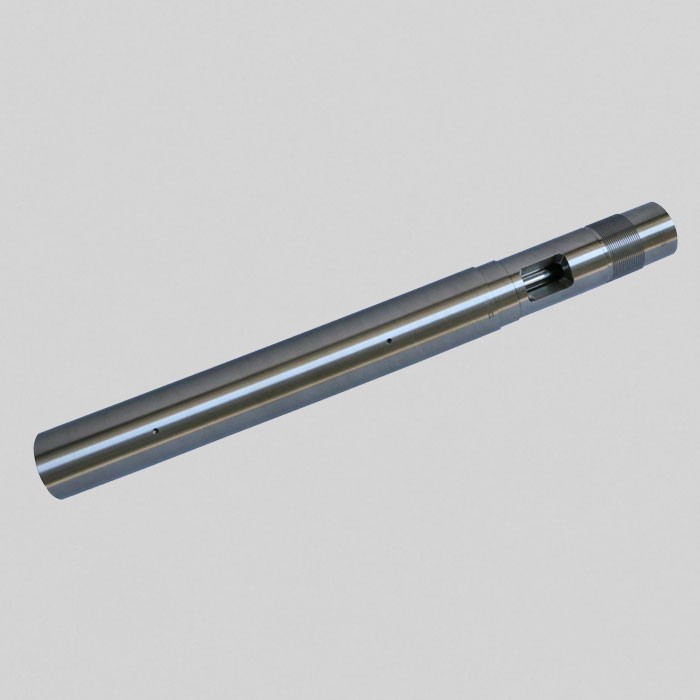
Before we discuss the impact of surface hardness, let's briefly understand the function of a Barrel in Injection Moulding. The barrel is a key component in an injection molding machine. It houses the screw and is responsible for melting the plastic resin and conveying it to the mold cavity. The barrel is subjected to high temperatures, pressures, and abrasive forces during the injection molding process.
The material and properties of the barrel, including its surface hardness, can significantly affect the performance and lifespan of the injection molding machine. A well - designed and properly maintained barrel can ensure consistent quality of the molded products, reduce production downtime, and lower overall production costs.
The Importance of Surface Hardness
Surface hardness refers to the ability of the barrel's surface to resist indentation, abrasion, and wear. A harder surface can withstand the harsh conditions inside the injection molding barrel better than a softer one.
One of the primary factors that contribute to the wear of the barrel is the friction between the screw and the barrel wall. As the screw rotates and pushes the molten plastic forward, it creates a significant amount of friction against the barrel surface. If the surface hardness is insufficient, the barrel will wear out quickly, leading to dimensional changes and reduced accuracy in the injection molding process.
Effects on Product Quality
The surface hardness of the barrel has a direct impact on the quality of the injection - molded products. A hard - surfaced barrel can maintain its dimensional accuracy over a longer period. This is crucial because any deviation in the barrel's dimensions can affect the volume of plastic being injected into the mold cavity.
For example, if the barrel wears down due to low surface hardness, the clearance between the screw and the barrel wall may increase. This can result in backflow of the molten plastic, causing variations in the weight and dimensions of the molded parts. In high - precision injection molding applications, such as in the production of medical devices or electronic components, even the slightest variation can render the products defective.
Moreover, a hard surface can also prevent the adhesion of plastic residues on the barrel wall. When plastic sticks to the barrel, it can cause black specks or streaks in the molded products, reducing their aesthetic appeal and mechanical properties. A hard and smooth surface minimizes such adhesion, ensuring a clean and consistent appearance of the final products.
Effects on Production Efficiency
The surface hardness of the barrel also affects the production efficiency of the injection molding process. A barrel with high surface hardness has a longer service life, which means less frequent replacement. This reduces the downtime associated with barrel replacement and maintenance, allowing for continuous production.
In addition, a hard - surfaced barrel can operate at higher speeds and pressures without significant wear. This enables faster injection molding cycles, increasing the overall production output. For large - scale production runs, even a small improvement in cycle time can result in substantial savings in time and cost.
Effects on Cost - Effectiveness
From a cost - effectiveness perspective, investing in a barrel with high surface hardness is a wise decision. Although the initial cost of a high - hardness barrel may be higher than that of a lower - hardness one, the long - term savings are significant.
As mentioned earlier, a hard - surfaced barrel has a longer lifespan, reducing the frequency of replacement. This not only saves on the cost of new barrels but also on the labor and downtime costs associated with barrel replacement. Additionally, the consistent quality of the molded products reduces the rate of defective parts, which can save a considerable amount of money in terms of material waste and rework.
Types of Barrels and Their Surface Hardness
There are different types of barrels used in injection molding, each with its own surface hardness characteristics. One of the popular types is the Injection Screw Barrel. These barrels are often made of high - strength alloy steels, which can be heat - treated to achieve a certain level of surface hardness.
Another type is the Sintered Hard Alloy Barrel for Injection Molding Machine. These barrels are made by sintering hard alloy powders, resulting in an extremely hard and wear - resistant surface. Sintered hard alloy barrels are particularly suitable for processing abrasive plastics, such as glass - filled or fiber - filled polymers.
Factors Affecting Surface Hardness
Several factors can affect the surface hardness of the barrel. The choice of material is the most obvious one. Different steels and alloys have different inherent hardness properties. For example, high - chromium steels are known for their high hardness and corrosion resistance, making them a popular choice for injection molding barrels.
The heat - treatment process also plays a crucial role in determining the surface hardness. Proper heat treatment can increase the hardness of the barrel surface by altering its microstructure. Quenching and tempering are common heat - treatment methods used to achieve the desired hardness.
The manufacturing process of the barrel can also impact its surface hardness. Precision machining and grinding can ensure a uniform and smooth surface, which is essential for maintaining the hardness and wear resistance of the barrel.
Maintaining Surface Hardness
To ensure the long - term performance of the barrel, proper maintenance is necessary. Regular cleaning of the barrel can prevent the accumulation of plastic residues and other contaminants, which can accelerate wear. Using high - quality plastic resins and additives can also reduce the abrasive effect on the barrel surface.
In addition, it is important to monitor the operating conditions of the injection molding machine. Overheating or excessive pressure can cause the barrel to lose its hardness over time. Therefore, maintaining the correct temperature and pressure settings is crucial for preserving the surface hardness of the barrel.
Conclusion
In conclusion, the surface hardness of the barrel in injection molding has far - reaching effects on product quality, production efficiency, and cost - effectiveness. As a supplier of barrels in injection molding, I understand the importance of providing high - quality barrels with appropriate surface hardness.
Whether you are in the production of consumer goods, automotive parts, or high - precision components, choosing the right barrel with the right surface hardness is essential for the success of your injection molding operations. If you are interested in learning more about our Barrel in Injection Moulding products or would like to discuss your specific requirements, please feel free to contact us for a procurement negotiation. We are committed to providing you with the best solutions for your injection molding needs.
References
- Becher, P. F. (1990). Sintered Materials for Wear Applications. Wear, 136(1), 1 - 12.
- Brown, R. H. (2007). Injection Molding Handbook. Hanser Publishers.
- Crawford, R. J. (2013). Plastics Engineering. Elsevier.