

Hey there! As a supplier of extruder bimetallic barrels, I've seen my fair share of problems with these things. And let me tell you, troubleshooting them can be a real pain in the you-know-what. But don't worry, I'm here to help you out. In this blog post, I'll walk you through some common issues you might encounter with an extruder bimetallic barrel and how to fix them.
1. Uneven Wear
One of the most common problems with an extruder bimetallic barrel is uneven wear. This can happen for a few different reasons. Maybe the screw isn't centered properly in the barrel, or there's too much friction between the screw and the barrel wall. Sometimes, it could be due to the type of material you're extruding. Some materials are more abrasive than others and can cause faster wear on the barrel.
To check for uneven wear, you can use a micrometer to measure the inner diameter of the barrel at different points. If you notice significant differences in the measurements, then you've got uneven wear.
How to fix it:
- First, make sure the screw is properly aligned in the barrel. You might need to adjust the alignment of the extruder's drive system.
- If the wear is due to abrasive materials, consider using a barrel with a harder inner lining. We offer a range of Extruder Screw Barrel options with different wear-resistant coatings.
- You can also reduce the friction by using a lubricant or by adjusting the operating parameters of the extruder, like the temperature and speed.
2. Barrel Overheating
Overheating is another headache that extruder operators often face. When the barrel gets too hot, it can cause all sorts of problems, like material degradation, poor extrusion quality, and even damage to the barrel itself.
There are a few things that can cause the barrel to overheat. It could be a faulty heating or cooling system. Maybe the temperature sensors are giving inaccurate readings, or the cooling fans aren't working properly. Sometimes, running the extruder at too high a speed or with too much pressure can also lead to overheating.
How to fix it:
- Check the heating and cooling systems. Make sure the heaters are functioning correctly and that the cooling fans are spinning freely. You can also check the temperature sensors to see if they need to be calibrated or replaced.
- Review the operating parameters of the extruder. Lower the speed or pressure if necessary. You might also need to adjust the temperature settings to keep the barrel within the optimal operating range.
- If the problem persists, you might want to consider upgrading to a more efficient Extrusion Barrel with better heat dissipation properties.
3. Material Blockages
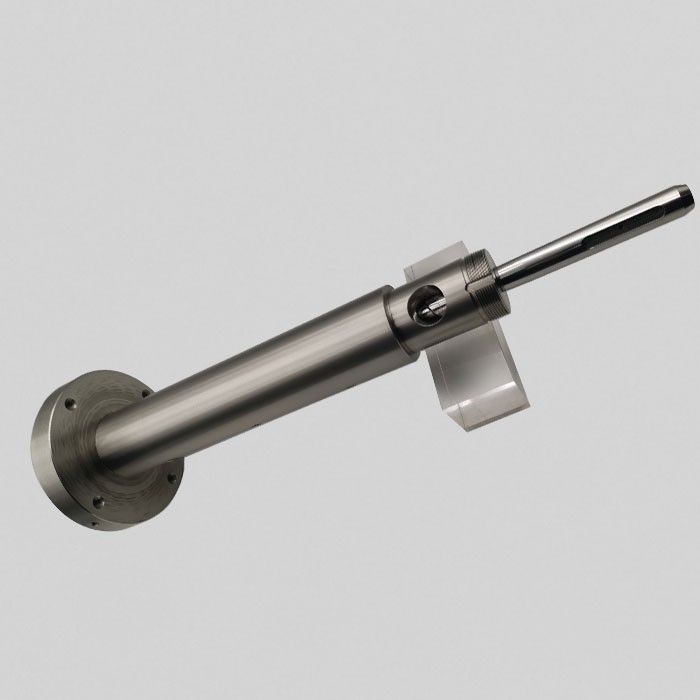
Blockages in the extruder bimetallic barrel can be a real nightmare. They can stop the extrusion process completely and cause a lot of downtime. Blockages usually occur when the material gets stuck in the barrel, either due to improper melting, a change in the material properties, or a build-up of debris.

How to identify it:
- You'll notice a sudden increase in the pressure inside the extruder, and the extrusion output will decrease or stop altogether. You might also hear strange noises coming from the extruder.
How to fix it:
- First, stop the extruder and let it cool down. Then, carefully disassemble the barrel and remove the blockage. Use a cleaning rod or a brush to clear out any debris.
- Check the material feed system to make sure the material is being fed evenly and at the right rate. You might need to adjust the feeder settings or clean the hopper.
- Consider using a barrel with a smoother inner surface to prevent material build-up. Our Barrel Screw Extruder options are designed to minimize blockages.
4. Leakage
Leakage around the barrel can be a sign of a serious problem. It can lead to material loss, environmental hazards, and damage to the extruder. Leakage can occur due to loose connections, worn seals, or cracks in the barrel.
How to identify it:
- You'll see material leaking out from around the barrel, usually at the joints or the ends. You might also notice a decrease in the extrusion output or a change in the extrusion quality.
How to fix it:
- Tighten any loose connections around the barrel. Check the bolts and clamps to make sure they're properly secured.
- Replace any worn or damaged seals. Make sure to use high-quality seals that are compatible with the material you're extruding.
- If there are cracks in the barrel, it might need to be replaced. We can provide you with a new Extruder Screw Barrel that meets your specifications.
5. Poor Extrusion Quality
If you're getting poor extrusion quality, like uneven thickness, surface defects, or inconsistent color, then there could be a problem with the extruder bimetallic barrel. This can be caused by a variety of factors, including uneven wear, improper temperature control, or a misaligned screw.
How to fix it:
- Check for uneven wear as described earlier and take appropriate action to fix it.
- Review the temperature settings of the extruder. Make sure the barrel is at the right temperature for the material you're extruding.
- Ensure that the screw is properly aligned in the barrel. A misaligned screw can cause uneven pressure distribution and lead to poor extrusion quality.
In conclusion, troubleshooting problems with an extruder bimetallic barrel can be a challenging task, but with the right knowledge and a bit of patience, you can get your extruder up and running smoothly again. If you're facing any of these issues or if you're looking for a high-quality extruder bimetallic barrel, don't hesitate to reach out. We're here to help you find the best solution for your extrusion needs. Contact us today to start a conversation about your requirements and let's work together to improve your extrusion process.
References
- "Extrusion Technology Handbook" by Christopher Rauwendaal
- "Plastics Extrusion: Principles and Practice" by John A. Brydson