

Hey there! As a supplier of barrels for injection moulding, I often get asked about the age - old question: which one is better, single - screw or twin - screw barrels in injection moulding? Well, let's dive right in and break it down.
Single - Screw Barrels
First up, single - screw barrels. These are the workhorses of the injection moulding world. They've been around for ages and are used in a ton of different applications.
How They Work
A single - screw barrel has just one screw inside a barrel. The screw rotates, and as it does, it grabs the plastic pellets from the hopper. The rotation of the screw pushes the pellets forward, melting them as they move through the heated barrel. This molten plastic is then injected into the mould to create the desired part. It's a pretty straightforward process, and that's one of the big advantages of single - screw barrels.
Advantages
- Simplicity: They're simple to operate and maintain. There's only one screw to deal with, so there are fewer parts that can break down. If something goes wrong, it's usually easier to diagnose and fix compared to twin - screw systems.
- Cost - Effective: Single - screw barrels are generally more affordable. The initial investment is lower, and they also tend to have lower energy consumption. This makes them a great choice for small to medium - sized businesses or for applications where cost is a major factor.
- Good for Homogeneous Materials: If you're working with a single type of plastic that doesn't require a lot of mixing, a single - screw barrel can do a great job. It can melt and transport the plastic efficiently to the mould.
Disadvantages
- Limited Mixing: One of the biggest drawbacks is their limited mixing ability. If you need to blend different types of plastics or add additives, a single - screw barrel might not be the best option. The mixing is not as thorough as in twin - screw systems.
- Lower Output for Some Applications: In high - volume production scenarios, single - screw barrels may not be able to keep up. They have a slower throughput compared to twin - screw barrels in certain situations.
If you're interested in a single - screw barrel solution, you can check out our Screw Barrel Injection Molding Machine.
Twin - Screw Barrels
Now, let's talk about twin - screw barrels. These are a bit more complex but offer some unique advantages.
How They Work
Twin - screw barrels have two screws inside the barrel. These screws can rotate in the same direction (co - rotating) or in opposite directions (counter - rotating). The screws work together to mix, melt, and transport the plastic. As the plastic moves through the barrel, the interaction between the two screws provides a much more intense mixing action.
Advantages
- Excellent Mixing: This is where twin - screw barrels really shine. They can blend different polymers, add fillers, and disperse additives much more effectively than single - screw barrels. This makes them ideal for applications where a high - quality, well - mixed product is required.
- Higher Output: Twin - screw barrels can handle larger volumes of plastic in a shorter time. They have a higher throughput, which is great for high - volume production runs.
- Flexibility: They can process a wider range of materials, including difficult - to - process polymers. The intense mixing and shearing action can break down and melt materials that a single - screw barrel might struggle with.
Disadvantages
- Higher Cost: Twin - screw barrels are more expensive to purchase and maintain. The additional screws and more complex design mean there are more parts that can fail, and repairs can be costly.
- Complex Operation: They require more skill to operate. The settings for the two screws, such as rotation speed and direction, need to be carefully adjusted to achieve the best results.
For those looking into twin - screw barrel options, our Injection Screw Barrel offers high - quality solutions.
Which One Should You Choose?
So, how do you decide between a single - screw and a twin - screw barrel? Well, it depends on several factors.
Production Volume
If you're running a small - scale operation with low to medium production volumes, a single - screw barrel might be the way to go. It'll save you money and is easier to manage. On the other hand, if you're in a high - volume production environment, a twin - screw barrel can help you meet the demand more efficiently.
Material Requirements
If you're working with a simple, homogeneous plastic, a single - screw barrel can do the job. But if you need to mix different materials or use additives, a twin - screw barrel is likely the better choice.
Budget
Your budget is also a crucial factor. If cost is a major concern, a single - screw barrel is usually more affordable. However, if you can afford the initial investment and the long - term maintenance costs, a twin - screw barrel can offer better performance in certain applications.
Our Products
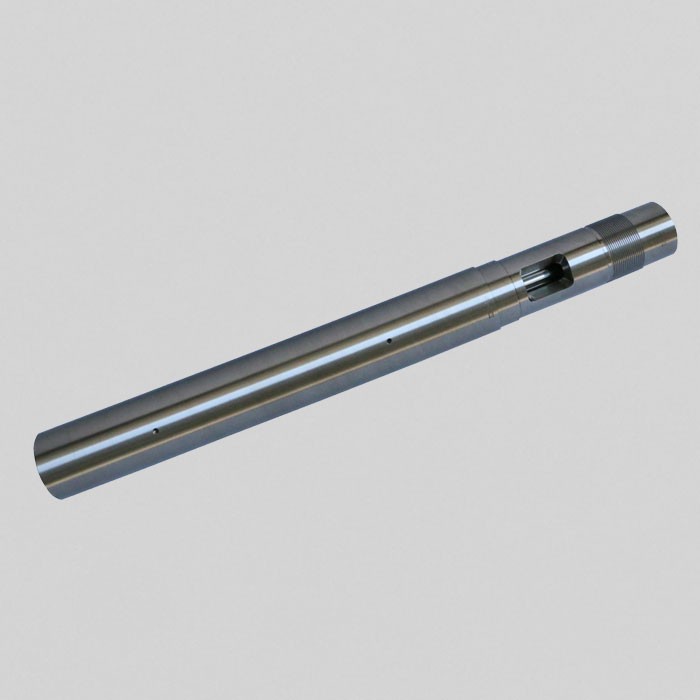
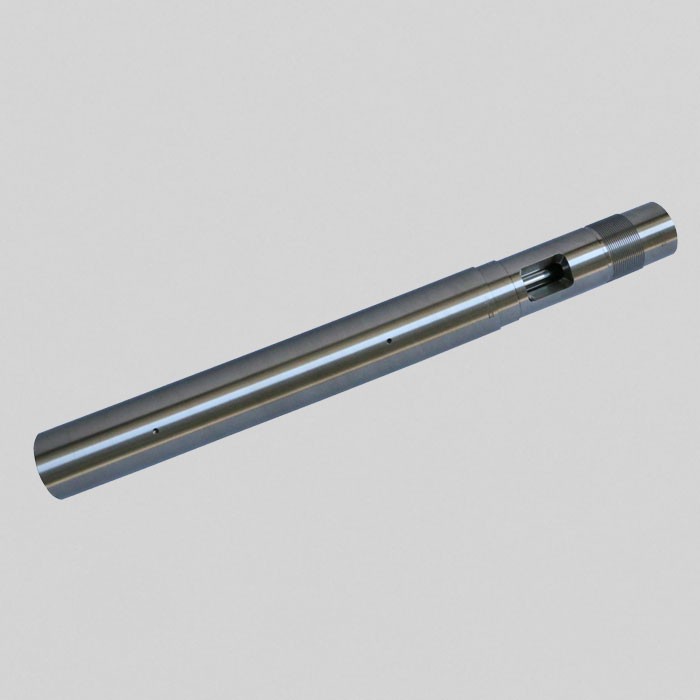
As a supplier of barrels for injection moulding, we offer a wide range of both single - screw and twin - screw barrels. Our Nitrided Steel Barrel for Injection Molding Machine is a popular choice for its durability and performance. Whether you're a small business just starting out or a large - scale manufacturer, we can help you find the right barrel for your needs.
Conclusion
In the end, there's no one - size - fits - all answer to the question of whether single - screw or twin - screw barrels are better. Each has its own strengths and weaknesses, and the choice depends on your specific production requirements, budget, and the materials you're working with.
If you're still not sure which type of barrel is right for you, don't hesitate to reach out. We're here to help you make an informed decision. Whether you're interested in learning more about our products or need advice on injection moulding in general, we're just a message away. Start a conversation with us today and let's find the perfect solution for your injection moulding needs.
References
- "Injection Molding Handbook" by O. Olsson
- "Plastics Processing Machinery" by J. F. Carley