

Hey there! As a supplier of injection screw barrels, I've seen firsthand how crucial it is to get the injection time just right. In this blog, I'll share some tips on how to adjust the injection time with an injection screw barrel.
Understanding Injection Time
First off, let's talk about what injection time is. Injection time is the period during which the molten plastic is pushed from the screw barrel into the mold cavity. It's a critical parameter because it affects the quality of the final product, including its strength, appearance, and dimensional accuracy.
If the injection time is too short, the mold may not fill completely, leading to short shots or parts with thin sections. On the other hand, if the injection time is too long, it can cause over-packing, which may result in excessive stress on the mold, flash, or even damage to the part.
Factors Affecting Injection Time
Before we dive into how to adjust the injection time, it's important to understand the factors that can influence it. Here are some of the key ones:
Plastic Material
Different plastic materials have different flow properties. For example, materials with high viscosity, like polycarbonate, require more time to flow into the mold compared to low-viscosity materials such as polyethylene. The melting point and thermal properties of the plastic also play a role. You can learn more about the barrels suitable for different plastic materials on our Injection Machine Barrel page.
Mold Design
The complexity of the mold design affects the injection time. Molds with thin walls, long flow paths, or multiple cavities take longer to fill. The gate size and location also matter. A small gate restricts the flow of plastic, increasing the injection time, while a well-placed gate can optimize the filling process. Check out our Barrel in Injection Moulding page for more insights on how the barrel interacts with the mold.
Screw Speed and Back Pressure
The screw speed determines how fast the plastic is pushed forward. Higher screw speeds generally result in shorter injection times, but it's important not to go too fast as it can cause shear heating and degrade the plastic. Back pressure, which is the resistance the screw encounters while rotating, also affects the injection time. Increasing the back pressure can improve the plastic's melt quality but may increase the injection time.
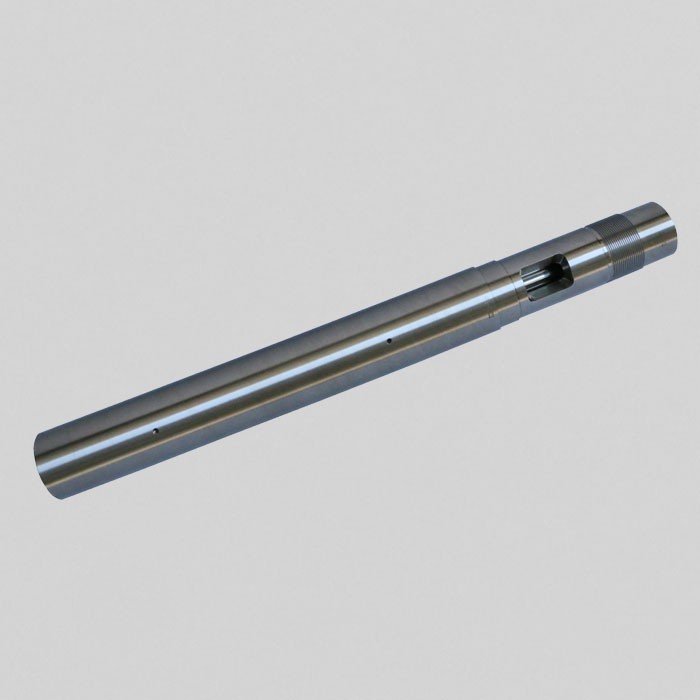
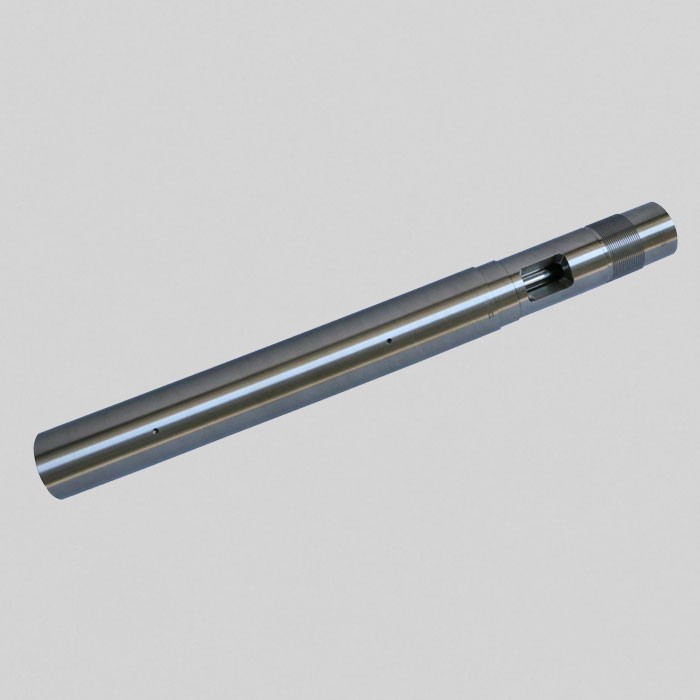
Barrel Temperature
The temperature of the injection screw barrel affects the viscosity of the plastic. A higher barrel temperature reduces the plastic's viscosity, making it flow more easily and potentially shortening the injection time. However, excessive temperature can also cause thermal degradation of the plastic. Our Sintered Hard Alloy Barrel for Injection Molding Machine is designed to maintain stable temperatures for better injection performance.
How to Adjust the Injection Time
Now that we know the factors affecting injection time, let's look at how to adjust it.
Start with the Machine Settings
Most injection molding machines come with settings for injection time. Start by referring to the machine's manual and set an initial injection time based on the plastic material and mold design. You can then make small adjustments based on the results of your test shots.
Monitor the Fill Pattern
During the injection process, closely monitor the fill pattern of the mold. You can use techniques like short-shot molding, where you intentionally underfill the mold to observe how the plastic flows. If you notice that the mold is not filling evenly or there are areas that are filling too slowly, you may need to adjust the injection time or other parameters.
Adjust the Screw Speed and Back Pressure
As mentioned earlier, the screw speed and back pressure can have a significant impact on the injection time. If the injection time is too long, you can try increasing the screw speed slightly. However, be careful not to increase it too much, as it can lead to other problems. Similarly, adjusting the back pressure can also help optimize the injection time.
Optimize the Barrel Temperature
The barrel temperature plays a crucial role in the flow of plastic. If the injection time is too long, you can try increasing the barrel temperature within the recommended range for the plastic material. But remember to monitor the quality of the plastic to ensure that it's not being degraded by the higher temperature.
Consider the Gate Design
If you're still having trouble adjusting the injection time, you may need to consider modifying the gate design. A larger gate can reduce the resistance to flow and shorten the injection time. However, changing the gate design may require modifying the mold, which can be a more time-consuming and costly process.
Importance of Proper Injection Time
Getting the injection time right is not just about filling the mold; it has a significant impact on the overall quality and efficiency of the injection molding process.
Product Quality
Proper injection time ensures that the plastic fills the mold completely and evenly, resulting in parts with consistent dimensions and good mechanical properties. It also helps prevent defects such as air traps, voids, and sink marks, which can affect the appearance and functionality of the final product.
Production Efficiency
By optimizing the injection time, you can reduce cycle times, which means you can produce more parts in less time. This can lead to increased productivity and lower production costs. Additionally, a well-adjusted injection time can reduce the need for rework and scrap, further improving the efficiency of the process.
Conclusion
Adjusting the injection time with an injection screw barrel is a complex but essential part of the injection molding process. By understanding the factors that affect injection time and using the right techniques to adjust it, you can improve the quality of your products and increase the efficiency of your production.
If you're looking for high-quality injection screw barrels to help you achieve optimal injection times, we're here to help. Our Injection Machine Barrel and Sintered Hard Alloy Barrel for Injection Molding Machine are designed to meet the diverse needs of the injection molding industry. Whether you're a small-scale manufacturer or a large production facility, we can provide you with the right solutions. If you have any questions or want to discuss your specific requirements, feel free to reach out for a procurement discussion.
References
- "Injection Molding Handbook" by O. Olufemi Oyebanji
- "Plastics Processing Data Handbook" by Michael W. Brown