

Extruder barrels are a critical component in the extrusion process, which is widely used in industries such as plastics, food, and pharmaceuticals. The choice of materials for making an extruder barrel significantly impacts its performance, durability, and suitability for different applications. As a leading extruder barrel supplier, I am well - versed in the various materials used in the manufacturing of these essential components.
Carbon Steel
Carbon steel is one of the most commonly used materials for extruder barrels. It is known for its relatively low cost and good mechanical properties. The carbon content in carbon steel can vary, with higher carbon content generally resulting in increased hardness and strength.
For extruder barrels, medium - carbon steels are often preferred. They offer a good balance between strength and machinability. Carbon steel barrels can be heat - treated to further enhance their hardness and wear resistance. However, carbon steel is prone to corrosion, especially when exposed to certain chemicals or high - humidity environments. Therefore, in applications where corrosion is a concern, additional surface treatments or coatings may be required.
One of the advantages of carbon steel barrels is their ease of machining. This allows for the production of barrels with complex internal geometries, such as those required for specific extrusion processes. Carbon steel barrels are suitable for many general - purpose extrusion applications, especially those where the cost is a major factor and the process does not involve highly corrosive materials.
Nitrided Steel
Nitrided steel is another popular choice for extruder barrels. Nitriding is a surface - hardening process that introduces nitrogen into the surface of the steel. This creates a hard, wear - resistant layer on the barrel's inner surface while maintaining the toughness of the core material.
The Extruder Nitrided Steel Barrel offers excellent resistance to abrasion and corrosion. The nitrided layer can withstand the high - pressure and high - temperature conditions typically encountered in extrusion processes. This makes nitrided steel barrels suitable for applications involving abrasive materials, such as filled plastics or glass - fiber - reinforced polymers.
The nitriding process also improves the anti - adhesion properties of the barrel surface. This reduces the tendency of the extruded material to stick to the barrel, which can improve the extrusion efficiency and product quality. Nitrided steel barrels are more expensive than carbon steel barrels, but their longer service life and better performance often justify the higher cost, especially in high - volume production environments.
Stainless Steel
Stainless steel is a corrosion - resistant alloy that contains chromium, nickel, and other elements. It is an ideal choice for extruder barrels used in applications where the extruded material is corrosive, such as in the food, pharmaceutical, and chemical industries.
Stainless steel barrels offer excellent chemical resistance, which ensures the purity of the extruded product. They are also hygienic, making them suitable for applications where strict cleanliness standards are required. The smooth surface finish of stainless steel barrels reduces the risk of material buildup and contamination.
However, stainless steel has lower thermal conductivity compared to carbon steel and some other materials. This can affect the heat transfer efficiency during the extrusion process, which may require additional heating or cooling measures. Stainless steel barrels are also more difficult to machine than carbon steel barrels, which can increase the manufacturing cost.
Bimetallic Barrels
Bimetallic barrels are made by combining two different metals to take advantage of the properties of each. Typically, a hard, wear - resistant alloy is bonded to a more ductile base material, such as carbon steel.
The inner layer of a bimetallic barrel is usually made of a high - alloy material, such as a tungsten - carbide - based alloy or a high - chromium alloy. This inner layer provides excellent wear resistance, while the outer layer of carbon steel provides the necessary strength and toughness.
Bimetallic barrels are suitable for applications involving highly abrasive materials or extreme operating conditions. They offer a longer service life compared to single - material barrels, especially in applications where the wear rate is high. The Extruder Screw Barrel is an example of a product that may utilize bimetallic construction to optimize performance.
Sintered Hard Alloy
Sintered hard alloy, also known as cemented carbide, is a very hard and wear - resistant material. It is made by sintering tungsten carbide particles with a binder metal, such as cobalt.
The Extruder Sintered Hard Alloy Barrel offers extremely high wear resistance, making it suitable for applications involving highly abrasive materials, such as mineral - filled plastics or ceramic extrusion. Sintered hard alloy barrels can withstand high - pressure and high - temperature conditions without significant wear.
However, sintered hard alloy is a brittle material, which means it is more prone to cracking and chipping compared to other materials. This requires careful handling and installation to avoid damage. Sintered hard alloy barrels are also very expensive, and their production process is more complex, which limits their use to specialized applications where the performance requirements are extremely high.
Considerations When Choosing Extruder Barrel Materials
When selecting the material for an extruder barrel, several factors need to be considered.
- Extruded Material: The properties of the extruded material, such as its abrasiveness, corrosiveness, and viscosity, play a crucial role in material selection. For abrasive materials, wear - resistant materials like nitrided steel, bimetallic barrels, or sintered hard alloy are preferred. For corrosive materials, stainless steel or other corrosion - resistant alloys are the better choice.
- Operating Conditions: The temperature, pressure, and speed of the extrusion process also affect the material selection. High - temperature and high - pressure applications require materials with good thermal stability and mechanical strength.
- Production Volume: For high - volume production, materials with longer service lives, such as nitrided steel or bimetallic barrels, are more cost - effective in the long run, even though they have a higher initial cost.
- Cost: Cost is always an important consideration. While high - performance materials may offer better performance, they also come with a higher price tag. A balance needs to be struck between the performance requirements and the budget.
As an extruder barrel supplier, I understand the importance of choosing the right material for your specific application. We offer a wide range of extruder barrels made from different materials to meet the diverse needs of our customers. Whether you are looking for a cost - effective carbon steel barrel for general - purpose applications or a high - performance sintered hard alloy barrel for specialized processes, we have the solution for you.
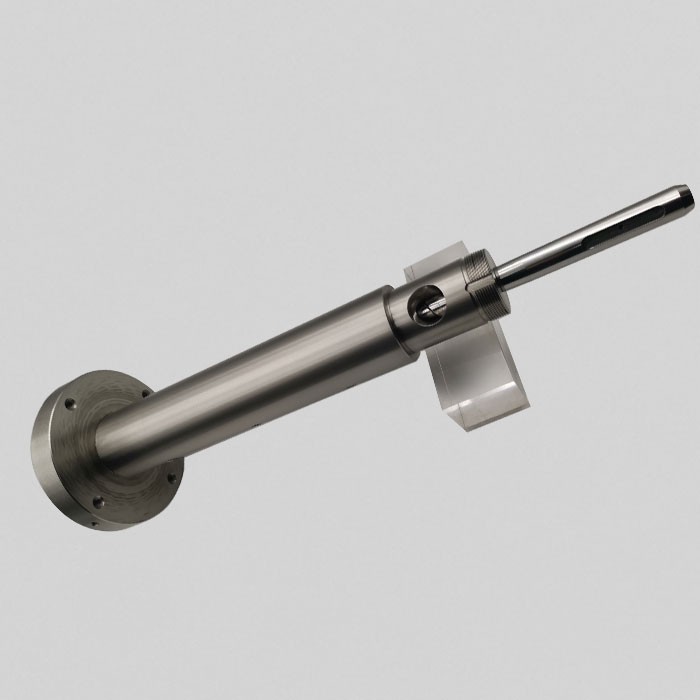

If you are interested in purchasing extruder barrels or need more information about our products, please feel free to contact us for a detailed discussion. Our team of experts is ready to assist you in selecting the most suitable barrel material and design for your extrusion process.
References
- "Plastics Extrusion Technology" by Allan A. Griff.
- "Extrusion Dies for Plastics and Rubber" by John A. Brydson.
- "Handbook of Polymer Processing" edited by Oscar Olabisi.