

The barrel is a crucial component in an extruder, playing a vital role in the extrusion process. As a supplier of barrels for extruders, I understand the significance of environmental factors that can impact the performance and lifespan of these barrels. In this blog, we will explore the various environmental factors that can affect the barrel in an extruder and how they can be managed to ensure optimal operation.
Temperature
Temperature is one of the most critical environmental factors that can affect the barrel in an extruder. The extrusion process involves heating the raw materials to a specific temperature to make them malleable and easy to shape. The barrel is responsible for maintaining this temperature throughout the extrusion process. However, excessive heat can cause several problems.
High temperatures can lead to thermal expansion of the barrel material. This expansion can cause dimensional changes, which may result in misalignment between the barrel and the screw. Misalignment can lead to uneven wear on the barrel and screw surfaces, reducing their efficiency and lifespan. Additionally, high temperatures can also cause the degradation of the barrel material over time. Some barrel materials may lose their mechanical properties, such as hardness and strength, when exposed to prolonged high temperatures.
On the other hand, low temperatures can also be problematic. If the temperature is too low, the raw materials may not reach the desired viscosity, making it difficult to extrude them smoothly. This can lead to inconsistent product quality and increased energy consumption as the extruder has to work harder to push the materials through the barrel.
To manage temperature effectively, it is essential to have a reliable temperature control system in place. This system should be able to monitor and adjust the temperature of the barrel accurately. Additionally, using barrel materials with high thermal stability can help minimize the effects of temperature variations. For example, Extruder Bimetallic Barrel is designed to withstand high temperatures and has excellent thermal conductivity, ensuring efficient heat transfer during the extrusion process.
Humidity
Humidity is another environmental factor that can have a significant impact on the barrel in an extruder. High humidity levels can cause corrosion of the barrel surface. When moisture in the air comes into contact with the metal surface of the barrel, it can react with the metal to form rust. Rust not only affects the appearance of the barrel but also reduces its mechanical properties. It can cause pitting and roughness on the barrel surface, which can lead to increased friction between the barrel and the screw. This increased friction can result in higher energy consumption, reduced extrusion efficiency, and premature wear of the barrel and screw.
In addition to corrosion, high humidity can also affect the raw materials used in the extrusion process. Some materials, such as plastics, can absorb moisture from the air. This moisture can cause problems during extrusion, such as foaming, poor surface finish, and reduced mechanical properties of the final product.
To prevent the effects of humidity, it is important to store the extruder and its components in a dry environment. If the extruder is located in an area with high humidity, dehumidifiers can be used to reduce the moisture content in the air. Regular maintenance and inspection of the barrel for signs of corrosion are also essential. Applying anti - corrosion coatings to the barrel surface can provide an additional layer of protection against humidity - induced corrosion.
Dust and Particulates
Dust and particulates in the environment can also pose a threat to the barrel in an extruder. These particles can enter the extruder system and accumulate on the barrel surface. Over time, the accumulation of dust and particulates can cause abrasion of the barrel surface. As the screw rotates inside the barrel, the abrasive particles can act like sandpaper, wearing down the barrel material. This abrasion can lead to increased clearances between the barrel and the screw, resulting in reduced extrusion efficiency and product quality.
Moreover, dust and particulates can also contaminate the raw materials. Contaminated materials can cause blockages in the extruder, leading to production downtime and increased maintenance costs.
To minimize the impact of dust and particulates, it is important to keep the extruder area clean. Regular cleaning of the extruder and its surroundings can prevent the accumulation of dust. Installing air filters in the extruder ventilation system can also help to remove dust and particulates from the air before it enters the extruder. Additionally, using sealed storage containers for the raw materials can prevent them from being contaminated by dust and particulates.
Chemical Exposure
The barrel in an extruder may be exposed to various chemicals during the extrusion process. These chemicals can come from the raw materials themselves or from additives used in the formulation. Some chemicals can be corrosive to the barrel material. For example, certain acids or alkalis can react with the metal surface of the barrel, causing corrosion and degradation.
Chemical exposure can also cause swelling or softening of the barrel material, especially if the barrel is made of a polymer - based material. This can lead to changes in the dimensions and mechanical properties of the barrel, affecting its performance in the extrusion process.
When dealing with chemical - rich raw materials, it is crucial to select the appropriate barrel material that is resistant to the specific chemicals. For example, some specialized coatings can be applied to the barrel surface to provide a barrier against chemical attack. Regular inspection of the barrel for signs of chemical damage is also necessary to detect any issues early and take appropriate measures.
Vibration and Shock
Vibration and shock can occur during the operation of an extruder. These mechanical forces can be caused by the rotation of the screw, the movement of the extruder, or external factors such as nearby machinery. Excessive vibration and shock can cause fatigue in the barrel material. Over time, the repeated stress from vibration and shock can lead to the formation of cracks in the barrel.
Cracks in the barrel can compromise its structural integrity and lead to leakage of the extruded material. This not only affects the quality of the product but also poses safety risks. Additionally, vibration can cause misalignment between the barrel and the screw, similar to the effects of thermal expansion.
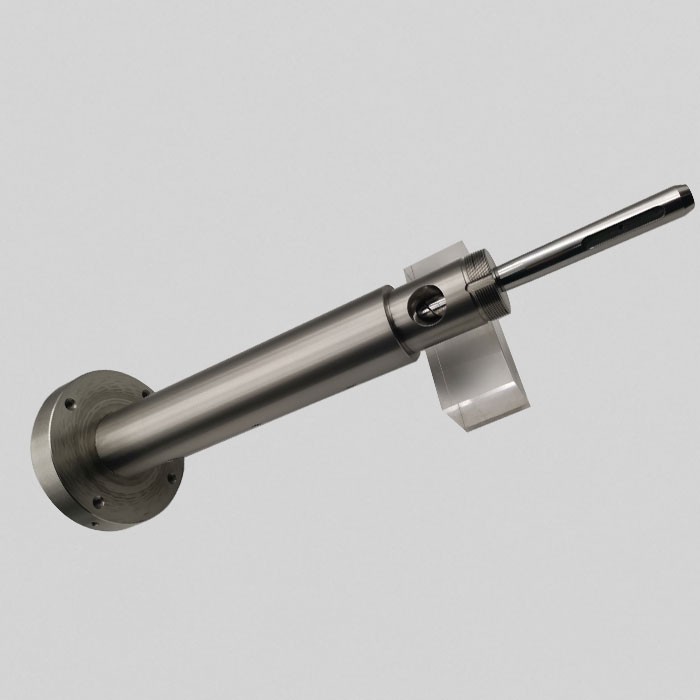

To minimize the impact of vibration and shock, it is important to ensure that the extruder is properly installed and balanced. Using vibration - damping mounts can help absorb the shock and reduce the transmission of vibration to the barrel. Regular maintenance and inspection of the extruder's mechanical components can also help identify and correct any issues that may be causing excessive vibration.
Conclusion
As a supplier of Extrusion Screw Barrel and Barrel Screw Extruder, I understand that environmental factors play a crucial role in the performance and lifespan of the barrel in an extruder. Temperature, humidity, dust and particulates, chemical exposure, and vibration and shock can all have significant impacts on the barrel. By being aware of these factors and taking appropriate measures to manage them, manufacturers can ensure the optimal operation of their extruders and produce high - quality products.
If you are in the market for a reliable barrel for your extruder, we are here to help. Our team of experts can provide you with the best solutions tailored to your specific needs. Contact us today to start a procurement discussion and find the perfect barrel for your extrusion process.
References
- "Extrusion Technology Handbook" by Christopher Rauwendaal
- "Plastics Extrusion: Principles and Practice" by James L. White and Philippe A. Potente