

Enhancing the insulation performance of an injection molding barrel is crucial for improving energy efficiency, reducing production costs, and ensuring the quality of molded products. As a leading injection molding barrel supplier, we understand the significance of insulation and have extensive experience in providing solutions to optimize barrel performance. In this blog post, we will explore various methods and strategies to enhance the insulation of injection molding barrels.
Understanding the Importance of Insulation in Injection Molding Barrels
Injection molding is a highly energy - intensive process. A significant amount of energy is used to heat the plastic material in the barrel to its melting point. Without proper insulation, a large portion of this heat is lost to the surrounding environment. This not only increases energy consumption but also leads to inconsistent temperature control within the barrel, which can negatively impact the quality of the molded parts.
Proper insulation helps to maintain a stable temperature inside the barrel, reducing temperature fluctuations and ensuring a more uniform melt flow. This results in better part quality, fewer defects, and improved production efficiency. Additionally, by reducing heat loss, insulation can lead to substantial energy savings, which is beneficial for both the environment and the bottom line of the manufacturing operation.
Types of Injection Molding Barrels
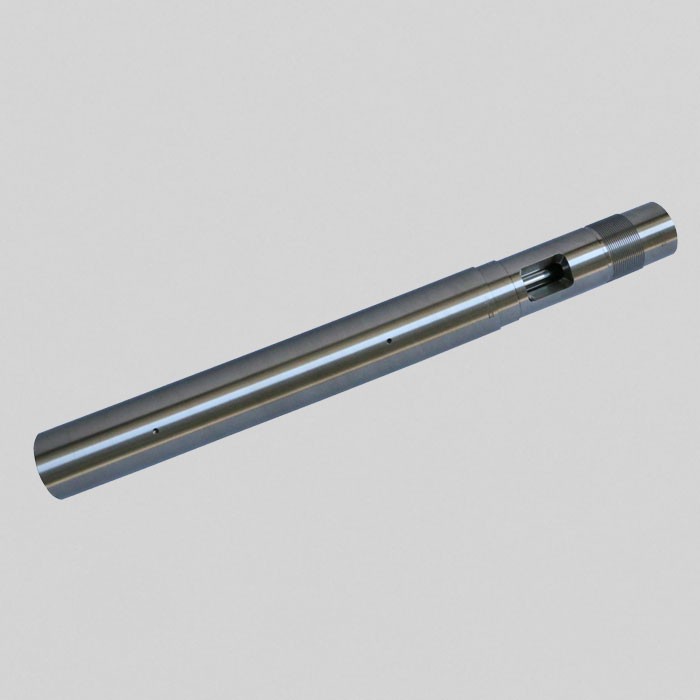
Before delving into insulation methods, it's important to understand the different types of injection molding barrels available. We offer a range of high - quality barrels, including Nitrided Steel Barrel for Injection Molding Machine, Screw Barrel Injection Molding Machine, and Sintered Hard Alloy Barrel for Injection Molding Machine. Each type has its own characteristics and insulation requirements.
Nitrided steel barrels are known for their excellent wear resistance and corrosion resistance. They are suitable for a wide range of plastic materials. Screw barrels are an integral part of the injection molding system, where the screw rotates inside the barrel to convey, melt, and inject the plastic. Sintered hard alloy barrels are highly durable and can withstand high pressures and temperatures, making them ideal for demanding applications.
Insulation Materials
The choice of insulation material is a critical factor in enhancing the insulation performance of an injection molding barrel. Here are some common insulation materials used in the industry:
Fiberglass Insulation
Fiberglass is a widely used insulation material due to its low cost, good thermal insulation properties, and ease of installation. It consists of fine glass fibers that trap air, reducing heat transfer by conduction and convection. Fiberglass insulation can be wrapped around the barrel in the form of blankets or mats. However, it should be noted that fiberglass can be irritating to the skin and lungs, so proper safety precautions should be taken during installation.

Ceramic Fiber Insulation
Ceramic fiber insulation offers excellent high - temperature resistance and low thermal conductivity. It can withstand temperatures up to 1200°C or more, making it suitable for high - temperature injection molding processes. Ceramic fiber insulation is available in various forms, such as blankets, boards, and modules. It is lightweight and easy to install, but it can be brittle and may require careful handling.
Polyurethane Foam Insulation
Polyurethane foam is a closed - cell insulation material that provides good thermal insulation and moisture resistance. It can be sprayed directly onto the barrel surface, forming a seamless insulation layer. Polyurethane foam has a high R - value (a measure of thermal resistance), which means it can effectively reduce heat loss. However, it may not be suitable for extremely high - temperature applications.
Insulation Design and Installation
Proper insulation design and installation are essential for achieving optimal insulation performance. Here are some key considerations:
Complete Coverage
The insulation should cover the entire length of the barrel, including the heating bands and any exposed areas. This ensures that all heat sources are insulated, minimizing heat loss. Special attention should be paid to areas around the barrel nozzles and connections, as these are often prone to heat leakage.
Thickness of Insulation
The thickness of the insulation layer is an important factor in determining its effectiveness. A thicker insulation layer generally results in better thermal performance. However, the thickness should be balanced with practical considerations such as space limitations and cost. In general, for most injection molding applications, an insulation thickness of 25 - 50 mm is recommended.
Secure Attachment
The insulation material should be securely attached to the barrel to prevent it from shifting or falling off during operation. This can be achieved using adhesives, straps, or mechanical fasteners. For sprayed insulation materials, proper surface preparation is crucial to ensure good adhesion.
Monitoring and Maintenance
Once the insulation is installed, it is important to monitor its performance regularly. This can be done by measuring the surface temperature of the barrel and comparing it with the expected values. If the surface temperature is higher than normal, it may indicate that the insulation is damaged or ineffective.
Regular maintenance of the insulation is also necessary. Inspect the insulation for signs of wear, tear, or damage, and replace any damaged sections promptly. Keep the insulation clean and free from debris, as dirt and dust can reduce its insulation properties.
Additional Strategies for Enhancing Insulation Performance
Thermal Barriers
In addition to using insulation materials, thermal barriers can be installed between the barrel and the surrounding environment. These barriers can further reduce heat transfer by reflecting or absorbing heat. For example, a reflective foil barrier can be placed around the insulation to reflect radiant heat back towards the barrel.
Temperature Control Systems
Advanced temperature control systems can be used in conjunction with insulation to optimize the temperature distribution inside the barrel. These systems can adjust the heating power based on the actual temperature readings, ensuring a more stable and uniform temperature. By maintaining a consistent temperature, the need for excessive heating can be reduced, further improving energy efficiency.
Conclusion
Enhancing the insulation performance of an injection molding barrel is a multi - faceted process that involves choosing the right insulation materials, proper design and installation, and regular monitoring and maintenance. As a trusted injection molding barrel supplier, we are committed to providing our customers with high - quality barrels and insulation solutions.
If you are interested in improving the insulation performance of your injection molding barrels or are looking to purchase high - quality barrels, we invite you to contact us for procurement and further discussions. Our team of experts is ready to assist you in finding the best solutions for your specific needs.
References
- "Injection Molding Handbook" by O. Olabisi
- "Thermal Insulation Materials and Systems" by K. Arunachalam
- Industry reports on energy efficiency in injection molding processes.