

Hey there! As a supplier of barrels in injection moulding, I've seen firsthand how the screw design inside the barrel can make or break the injection moulding process. In this blog, I'm gonna dive into how the screw design in the barrel influences injection moulding.
Let's start with the basics. The screw in the barrel is like the heart of the injection moulding machine. It's responsible for melting, mixing, and injecting the plastic material into the mould. The design of the screw can have a huge impact on the quality of the final product, as well as the efficiency and cost of the production process.
One of the key factors in screw design is the pitch. The pitch refers to the distance between the threads of the screw. A screw with a larger pitch will move the plastic material through the barrel more quickly, which can increase the injection speed. However, if the pitch is too large, the plastic may not be melted or mixed properly, leading to defects in the final product. On the other hand, a screw with a smaller pitch will provide more thorough melting and mixing, but it will also slow down the injection process. So, finding the right pitch for your specific application is crucial.
Another important aspect of screw design is the compression ratio. The compression ratio is the ratio of the volume of the feed section of the screw to the volume of the metering section. A higher compression ratio means that the plastic material is compressed more as it moves through the screw, which can improve melting and mixing. However, a very high compression ratio can also cause excessive heat generation, which can degrade the plastic material. A lower compression ratio, on the other hand, may not provide enough compression for proper melting and mixing. The ideal compression ratio depends on the type of plastic being used and the requirements of the injection moulding process.
The flight depth of the screw also plays a significant role. The flight depth is the distance between the root of the screw thread and the tip of the thread. A deeper flight depth allows for more plastic material to be carried by the screw at once, which can increase the output rate. But it may also result in less efficient mixing. A shallower flight depth can improve mixing but may limit the amount of plastic that can be processed per cycle.
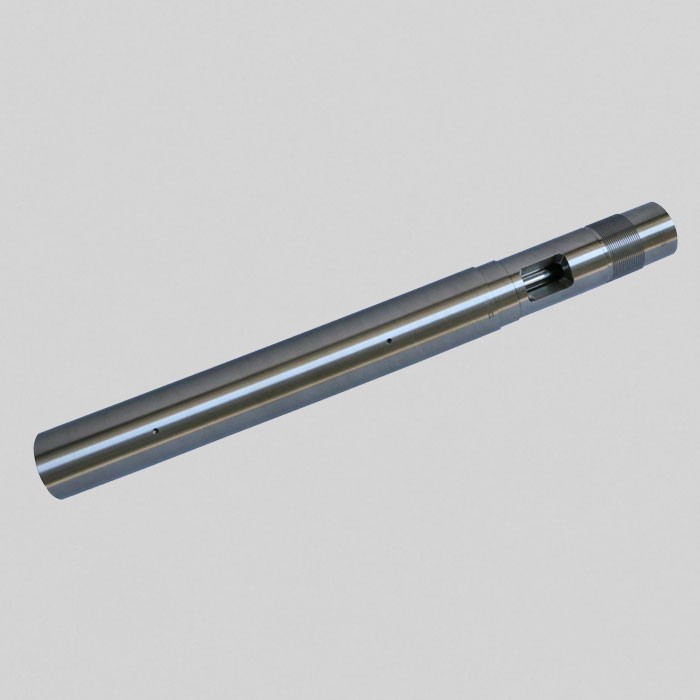
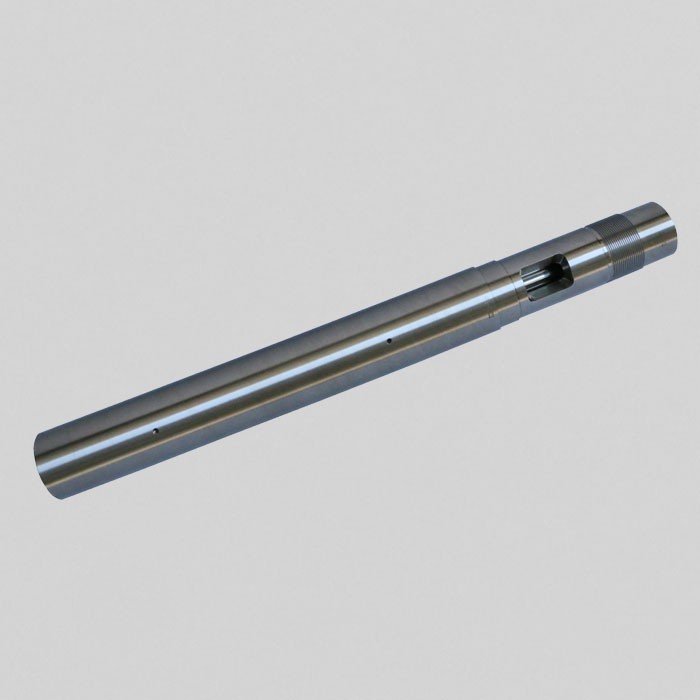
The screw's length - to - diameter (L/D) ratio is yet another factor. A higher L/D ratio generally provides more time for the plastic to melt and mix as it travels through the barrel. This can lead to better quality products, especially for materials that are difficult to process. However, a longer screw also means higher costs and more space requirements. A lower L/D ratio may be suitable for simpler materials and applications where speed is more important than perfect mixing.
Now, let's talk about how these screw design factors affect different aspects of injection moulding.
Product Quality
The quality of the final product is directly influenced by the screw design. If the screw doesn't melt and mix the plastic properly, you can end up with issues like uneven color distribution, voids, or weak spots in the part. For example, if the pitch is too large or the compression ratio is too low, the plastic may not be fully melted, resulting in a rough - surfaced or brittle product. On the other hand, a well - designed screw can ensure that the plastic is homogeneously melted and mixed, leading to a high - quality, defect - free product.
Production Efficiency
Efficiency is a big deal in injection moulding. A well - designed screw can significantly increase the production speed. For instance, a screw with an appropriate pitch and flight depth can move the plastic through the barrel quickly without sacrificing quality. This means more parts can be produced in a given time, reducing the overall production time and cost. Additionally, a screw that can handle high - volume plastic processing without causing excessive wear and tear on the barrel can also improve the long - term efficiency of the injection moulding operation.
Material Compatibility
Different plastics have different properties, and the screw design needs to be tailored to the specific material being used. For example, some plastics are more viscous and require a higher compression ratio to melt properly. Others may be more heat - sensitive and need a screw design that minimizes heat generation. A screw that is not compatible with the plastic material can lead to poor melting, degradation of the material, and ultimately, inferior products.
As a supplier of Barrel in Injection Moulding, we understand the importance of getting the screw design right. We offer a wide range of Plastic Injection Screw Barrel options, each designed to meet the specific needs of different injection moulding applications. Our Sintered Hard Alloy Barrel for Injection Molding Machine is made with high - quality materials and advanced manufacturing techniques to ensure long - lasting performance and excellent compatibility with various screw designs.
If you're in the market for a reliable barrel and screw system for your injection moulding needs, we'd love to have a chat with you. Whether you're looking to improve the quality of your products, increase your production efficiency, or find a solution for a specific plastic material, our team of experts can help you find the perfect screw design and barrel combination. Just reach out to us, and let's start a conversation about how we can take your injection moulding process to the next level.
References
- Beaumont, J. P. (2007). Injection Molding Handbook. Hanser Gardner Publications.
- Rosato, D. V., & Rosato, D. V. (2000). Injection Molding Technology. Kluwer Academic Publishers.