

As a leading supplier of injection molding barrels, we understand the significance of color mixing in the injection molding process. Achieving consistent and high - quality color distribution is crucial for producing visually appealing and market - competitive plastic products. In this blog, we will explore various strategies to improve color mixing in an injection molding barrel.
Understanding the Basics of Color Mixing in Injection Molding
Before delving into the improvement methods, it's essential to understand how color mixing occurs in an injection molding barrel. When plastic pellets are fed into the barrel, they are heated and melted. Colorants, which can be in the form of masterbatches or liquid color, are introduced into the molten plastic. The screw inside the barrel rotates, pushing the molten plastic forward while simultaneously mixing the colorant with the base resin.
However, several factors can affect the efficiency of this mixing process. These include the design of the barrel and screw, the type and amount of colorant used, the processing temperature, and the screw speed.

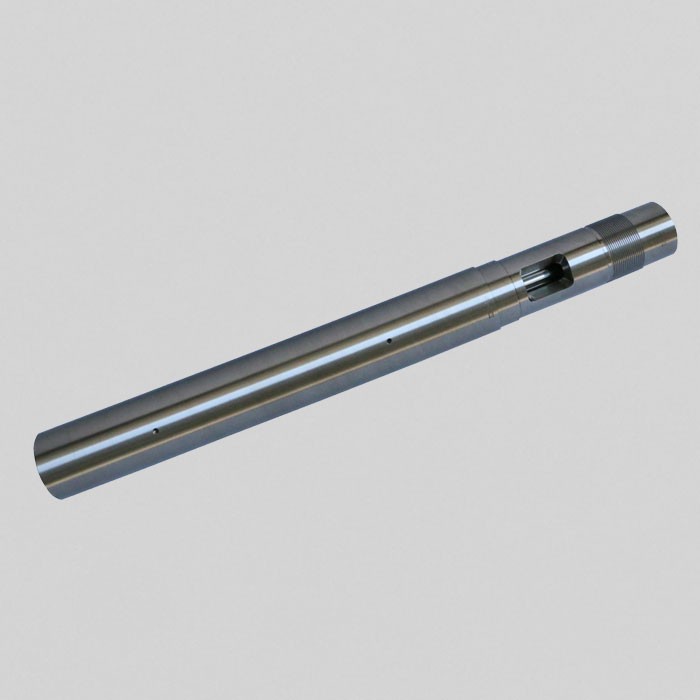
Optimizing Barrel and Screw Design
The design of the injection molding barrel and screw plays a vital role in color mixing. A well - designed screw can enhance the shearing and mixing action of the molten plastic. For instance, a screw with a longer length - to - diameter (L/D) ratio provides more residence time for the plastic and colorant to mix. This allows for better dispersion of the colorant throughout the resin.
We offer a range of high - quality barrels, such as the Nitrided Steel Barrel for Injection Molding Machine. Nitrided steel barrels are known for their excellent wear resistance and heat transfer properties. The smooth inner surface of these barrels reduces the chances of plastic and colorant sticking, ensuring a more uniform mixing process.
Another option is our Injection Screw Barrel. These barrels are designed with precision - engineered screws that can be customized according to the specific requirements of your color mixing application. The unique flight design of the screw can create a high - intensity mixing zone, breaking up colorant agglomerates and promoting better dispersion.
The Bimetallic Barrel for Injection Molding Machine is also a great choice. The bimetallic construction combines the advantages of different materials, providing superior corrosion resistance and high - temperature performance. This type of barrel can maintain a stable temperature during the mixing process, which is essential for consistent color mixing.
Selecting the Right Colorant
The type and quality of the colorant used can significantly impact color mixing. Masterbatches are a popular choice as they are pre - dispersed colorants in a carrier resin. They are easy to handle and can provide a more consistent color compared to powder colorants. When selecting a masterbatch, consider its compatibility with the base resin. Incompatible colorants may not mix well, resulting in color streaks or uneven color distribution.
Liquid colorants are another option. They offer excellent dispersion and can be easily metered into the barrel. However, they require a proper dosing system to ensure accurate and consistent addition.
Controlling Processing Parameters
- Temperature: Maintaining the correct processing temperature is crucial for color mixing. If the temperature is too low, the plastic may not melt completely, and the colorant will not disperse properly. On the other hand, if the temperature is too high, the colorant may degrade, leading to color changes or a loss of color intensity.
- Use a reliable temperature control system to monitor and adjust the temperature of the barrel. Different resins and colorants have specific temperature requirements, so it's important to refer to the manufacturer's recommendations.
- Screw Speed: The screw speed affects the shearing and mixing action of the plastic. A higher screw speed can increase the shearing force, which helps to break up colorant agglomerates and improve mixing. However, excessive screw speed can also cause over - shearing, which may lead to material degradation and poor color quality.
- Conduct tests to determine the optimal screw speed for your specific color mixing application. Start with a lower speed and gradually increase it while monitoring the color quality of the molded parts.
- Back Pressure: Back pressure is the resistance encountered by the screw as it rotates and pushes the molten plastic forward. Applying an appropriate back pressure can improve color mixing by increasing the residence time of the plastic in the barrel and enhancing the shearing action.
- Adjust the back pressure based on the type of resin, colorant, and the design of the barrel and screw. Too much back pressure can increase the cycle time and energy consumption, while too little back pressure may result in poor color mixing.
Using Mixing Aids
In some cases, using mixing aids can further improve color mixing. These can include additives that reduce the viscosity of the molten plastic, making it easier for the colorant to disperse. Lubricants can also be used to improve the flow of the plastic and prevent it from sticking to the barrel walls.
However, it's important to use mixing aids in moderation. Excessive use of additives can affect the mechanical properties of the final product.
Regular Maintenance of the Injection Molding Barrel
Regular maintenance of the injection molding barrel is essential for ensuring consistent color mixing. Over time, the barrel and screw may wear out, which can affect their mixing performance.
- Clean the barrel regularly to remove any residual plastic and colorant. This can prevent cross - contamination between different color runs.
- Inspect the barrel and screw for signs of wear, such as scratches or grooves. Replace worn - out parts promptly to maintain the efficiency of the color mixing process.
Conclusion
Improving color mixing in an injection molding barrel requires a comprehensive approach that involves optimizing the barrel and screw design, selecting the right colorant, controlling processing parameters, using mixing aids when necessary, and performing regular maintenance. As a trusted supplier of injection molding barrels, we are committed to providing high - quality products and technical support to help you achieve the best color mixing results.
If you are looking to improve the color mixing in your injection molding process or need more information about our injection molding barrels, we invite you to contact us for a detailed discussion. Our team of experts is ready to assist you in finding the most suitable solutions for your specific requirements.
References
- "Injection Molding Handbook" by O. Olszewski
- "Plastics Colorants: Formulation and Dispersion" by R. A. Meyer
- Technical literature from major colorant and injection molding equipment manufacturers.