

Designing an effective venting system for an extruder barrel is a crucial aspect of the extrusion process, especially for those in the business of supplying extruder barrels. As an extruder barrel supplier, I understand the significance of a well - designed venting system in enhancing the quality of the extrusion output and the overall efficiency of the process.
Understanding the Basics of Extruder Barrels
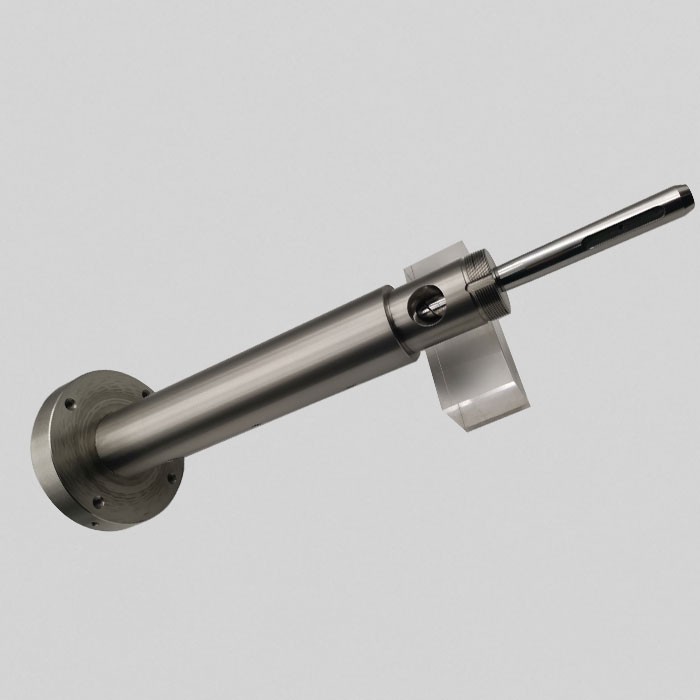
Before delving into the design of a venting system, it is essential to have a clear understanding of the extruder barrel itself. An extruder barrel is a key component in the extrusion process. It provides the housing for the screw, which conveys, compresses, and melts the raw material. The Barrel in Extruder plays a vital role in ensuring that the material is processed uniformly and efficiently.
The Extrusion Screw Barrel works in tandem with the screw to achieve the desired extrusion results. The barrel's internal surface must be smooth and wear - resistant to prevent material build - up and ensure a consistent flow of the material. Different types of materials, such as polymers, plastics, and rubber, require different barrel designs to optimize the extrusion process.
The Role of Venting Systems in Extruder Barrels
Venting systems in extruder barrels serve several important functions. Firstly, they help to remove volatile substances from the material being extruded. During the extrusion process, the raw material is heated and compressed, which can cause the release of gases such as moisture, air, and other volatile compounds. If these gases are not removed, they can lead to defects in the final product, such as voids, bubbles, and surface imperfections.
Secondly, venting systems can improve the quality of the extrusion by reducing the pressure inside the barrel. Excessive pressure can cause the material to flow unevenly, resulting in inconsistent product dimensions and poor mechanical properties. By allowing the gases to escape, the venting system helps to maintain a stable pressure inside the barrel, ensuring a more uniform flow of the material.
Key Considerations in Designing an Effective Venting System
Vent Location
The location of the vents in the extruder barrel is a critical factor. Vents should be placed at positions where the material has reached a certain level of melting and where the volatile substances are most likely to be released. Typically, vents are located near the end of the compression section or at the beginning of the metering section of the barrel. This allows the gases to be removed before the material is fully compressed and extruded.
Vent Size
The size of the vents also plays an important role in the effectiveness of the venting system. The vent size should be large enough to allow the gases to escape freely but small enough to prevent the material from flowing out through the vents. The optimal vent size depends on several factors, including the type of material being extruded, the extrusion speed, and the pressure inside the barrel.

Vent Shape
The shape of the vents can affect the flow of gases and the prevention of material leakage. Common vent shapes include circular, rectangular, and slotted. Circular vents are easy to machine and provide a uniform flow of gases. Rectangular and slotted vents, on the other hand, can provide a larger surface area for gas escape, which can be beneficial for materials that release a large amount of volatile substances.
Venting Mechanism
There are different types of venting mechanisms that can be used in extruder barrels. One common type is the open vent, where the vent is simply an opening in the barrel that allows the gases to escape into the atmosphere. Another type is the vacuum vent, where a vacuum is applied to the vent to enhance the removal of gases. Vacuum vents are particularly effective for materials that require a high degree of degassing.
Design Process for an Effective Venting System
Material Analysis
The first step in designing a venting system is to analyze the material being extruded. Different materials have different properties, such as melting point, viscosity, and the amount of volatile substances they contain. By understanding these properties, we can determine the appropriate vent location, size, and shape for the specific material.
Process Conditions Evaluation
The extrusion process conditions, such as temperature, pressure, and extrusion speed, also need to be evaluated. These conditions can affect the release of volatile substances and the flow of the material inside the barrel. For example, higher temperatures can cause more volatile substances to be released, which may require larger vents or a more powerful venting mechanism.
Simulation and Testing
Once the initial design of the venting system is completed, it is advisable to use simulation software to predict the performance of the system. Simulation can help to identify potential problems, such as gas blockages or material leakage, and allow for adjustments to be made before the actual manufacturing of the extruder barrel.
After simulation, physical testing should be conducted. This involves running the extrusion process with the designed venting system and monitoring the quality of the output. Any issues that are identified during testing can be addressed by further modifying the venting system design.
Benefits of an Effective Venting System
An effective venting system offers several benefits for both the extruder barrel supplier and the end - user. For the supplier, it can enhance the reputation of the company by providing high - quality extruder barrels that meet the specific needs of the customers. It can also lead to increased customer satisfaction and repeat business.
For the end - user, an effective venting system can improve the quality of the final product. By removing volatile substances and maintaining a stable pressure inside the barrel, the product will have fewer defects, better mechanical properties, and a more consistent appearance. This can result in higher productivity and lower production costs due to reduced scrap rates.
Conclusion
Designing an effective venting system for an extruder barrel is a complex but essential task. As an extruder barrel supplier, we are committed to providing our customers with extruder barrels that are equipped with the most advanced and effective venting systems. By considering factors such as vent location, size, shape, and venting mechanism, and following a systematic design process that includes material analysis, process conditions evaluation, simulation, and testing, we can ensure that our Extrusion Barrel products meet the highest standards of quality and performance.
If you are in the market for high - quality extruder barrels with effective venting systems, we invite you to contact us for procurement and further discussion. Our team of experts is ready to assist you in finding the best solutions for your extrusion needs.
References
- "Extrusion Technology Handbook" by John F. Carley
- "Plastics Extrusion: Principles and Practice" by Edward A. Gradoski and Kenneth E. Walters