

How to Adjust the Speed of a Barrel Screw Extruder
As a seasoned supplier of Barrel Screw Extruder, I've witnessed firsthand the importance of precise speed adjustment in achieving optimal performance from these machines. In this blog, I'll share valuable insights on how to adjust the speed of a barrel screw extruder effectively, ensuring high - quality output and efficient operation.
Understanding the Basics of a Barrel Screw Extruder
Before delving into speed adjustment, it's essential to have a clear understanding of how a barrel screw extruder works. The core components of a barrel screw extruder include a screw housed within a barrel. The screw rotates inside the barrel, conveying, melting, and homogenizing the raw materials. This process is crucial for various industries, such as plastics, food, and pharmaceuticals.

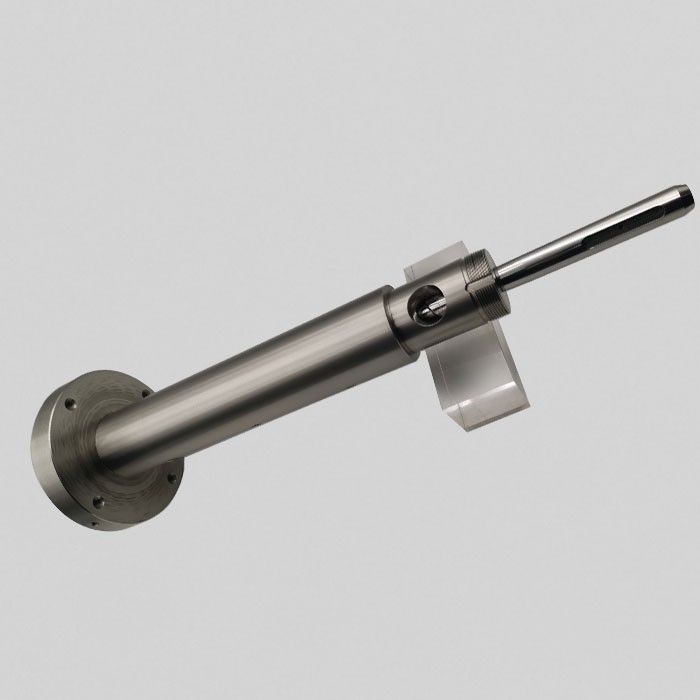
The speed of the screw directly impacts the output rate, product quality, and energy consumption of the extruder. A higher screw speed generally leads to a greater output rate, but it may also affect the quality of the final product. For instance, in plastic extrusion, a too - high speed can cause incomplete melting of the plastic, resulting in a poor - quality product with visible streaks or uneven density.
Factors Affecting Screw Speed Adjustment
- Material Properties
Different materials have different flow characteristics and melting points. For example, polymers with high viscosity require lower screw speeds to ensure proper melting and mixing. On the other hand, materials with low viscosity can tolerate higher speeds. As a supplier, I often recommend customers to conduct small - scale tests with their specific materials to determine the optimal screw speed. - Product Specifications
The desired product specifications, such as thickness, diameter, and density, also play a significant role in screw speed adjustment. If you are producing a thin - walled plastic pipe, a relatively higher screw speed may be suitable to maintain a consistent output rate. However, for a thick - walled product, a lower speed might be necessary to ensure uniform melting and distribution of the material. - Extruder Design
The design of the extruder, including the screw geometry, barrel length - to - diameter ratio, and heating system, can influence the screw speed. For example, an extruder with a longer barrel and a well - designed screw can handle higher speeds more effectively, as it provides more time for the material to melt and mix.
Steps to Adjust the Screw Speed
- Initial Setup
Before adjusting the screw speed, ensure that the extruder is properly set up. Check the temperature settings of the barrel and the feed system to ensure that the material is at the appropriate melting point. The temperature should be set according to the material's properties. For example, most common plastics require a temperature range of 150 - 300 degrees Celsius. - Refer to the Manufacturer's Guidelines
Every barrel screw extruder comes with a set of manufacturer's guidelines. These guidelines provide recommended speed ranges based on the extruder's design and the type of materials it can process. As a supplier, I always emphasize the importance of following these guidelines as a starting point for speed adjustment. - Gradual Adjustment
Start with a low screw speed and gradually increase it while monitoring the output. Observe the quality of the extruded product, such as its appearance, density, and consistency. If the product quality starts to deteriorate, reduce the speed immediately. For example, if you notice air bubbles or uneven surfaces in a plastic extrusion, it may be a sign that the speed is too high. - Use of Sensors and Control Systems
Modern barrel screw extruders are often equipped with sensors and control systems that can help in speed adjustment. These systems can monitor parameters such as temperature, pressure, and torque. By analyzing these data, you can make more informed decisions about screw speed adjustment. For instance, if the torque reading is too high, it may indicate that the screw is over - working, and the speed should be reduced.
Fine - Tuning the Speed for Different Applications
- Plastic Extrusion
In plastic extrusion, the screw speed adjustment is critical for achieving the desired product quality. For example, in the production of plastic films, a consistent screw speed is required to ensure uniform thickness. If the speed fluctuates, the film may have varying thicknesses, which can affect its performance. Additionally, different types of plastics, such as polyethylene and polypropylene, may require different speed settings. - Food Extrusion
In food extrusion, the screw speed affects the texture and taste of the final product. For example, in the production of breakfast cereals, a higher screw speed can result in a more expanded and crispy product. However, if the speed is too high, the cereal may become too brittle. As a supplier, I often work with food manufacturers to optimize the screw speed based on their specific product requirements. - Pharmaceutical Extrusion
In pharmaceutical extrusion, the screw speed must be carefully controlled to ensure the accurate dosing of active ingredients. A consistent speed is necessary to maintain the uniformity of the product. For example, in the production of tablets, any variation in screw speed can lead to inconsistent drug content in the tablets.
Importance of Regular Maintenance for Speed Adjustment
Regular maintenance of the barrel screw extruder is essential for accurate speed adjustment. Over time, the screw and barrel may wear out, which can affect the screw's performance and the overall efficiency of the extruder. Here are some maintenance tips:
- Cleaning
Regularly clean the screw and barrel to remove any residual material. This helps to prevent blockages and ensures smooth operation. For example, in plastic extrusion, if plastic residues accumulate on the screw, it can cause uneven melting and affect the screw speed. - Lubrication
Proper lubrication of the extruder's moving parts, such as the bearings and gears, is crucial. Lubrication reduces friction and wear, allowing the screw to rotate smoothly at the desired speed. - Inspection and Replacement
Regularly inspect the screw and barrel for signs of wear and tear. If the screw has worn threads or the barrel has significant scratches, it may be necessary to replace these components. As a supplier, I offer high - quality replacement parts, such as Single Screw Extruder Screw Barrel and Barrel in Extruder, to ensure the long - term performance of the extruder.
Conclusion
Adjusting the speed of a barrel screw extruder is a complex but essential process that requires a good understanding of the extruder's operation, material properties, and product specifications. By following the steps outlined in this blog and considering the factors that affect screw speed, you can achieve optimal performance from your extruder.
If you are facing challenges in adjusting the speed of your barrel screw extruder or are looking to purchase a new extruder, I encourage you to contact us for professional advice and solutions. Our team of experts is always ready to assist you in finding the best setup for your specific needs. Let's work together to achieve high - quality extrusion results.
References
- "Extrusion Technology Handbook" by Roland G. Bauer
- "Plastics Extrusion Technology" by Allan A. Griff