

Hey there! As a supplier of plastic injection screw barrels, I'm super stoked to dive into how the nitriding process can seriously level up the performance of these crucial components. So, let's get right into it!
What's the Nitriding Process?
First off, let's break down what nitriding is. Nitriding is a heat - treating process that introduces nitrogen into the surface of a metal. For our plastic injection screw barrels, this is done to enhance several key properties. The process usually involves heating the screw barrel in a nitrogen - rich environment. There are different types of nitriding, like gas nitriding, plasma nitriding, and salt bath nitriding. Each method has its own perks, but they all aim to achieve one thing: making the screw barrel better.
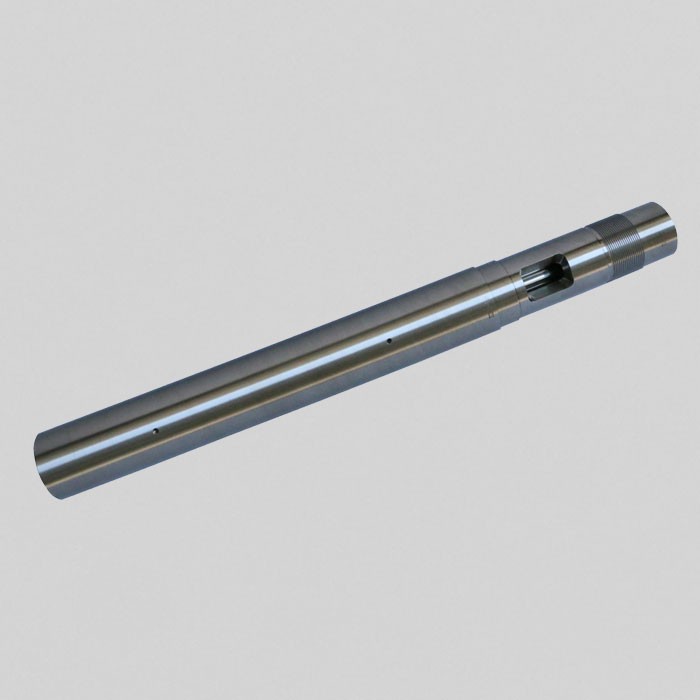
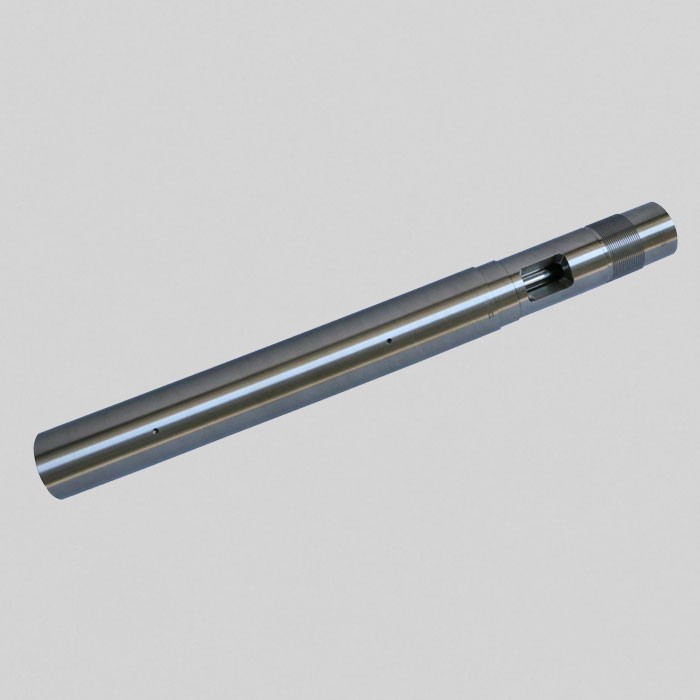
Hardness and Wear Resistance
One of the most significant benefits of nitriding a plastic injection screw barrel is the boost in hardness. When nitrogen atoms diffuse into the surface of the metal, they form nitrides. These nitrides are extremely hard, which means the surface of the screw barrel becomes much more resistant to wear.
In the world of plastic injection molding, the screw barrel is constantly in contact with molten plastic. This plastic can be abrasive, especially if it contains fillers like glass fibers or carbon fibers. Without proper protection, the inner surface of the screw barrel can wear down quickly. But with a nitrided surface, the wear rate is significantly reduced. This means the screw barrel can last much longer, saving you money in the long run.
For example, if you're using a non - nitrided screw barrel in a high - volume production setting where you're molding plastic with glass fibers, you might find yourself replacing the barrel every few months. But a nitrided screw barrel can last up to several years under the same conditions. You can check out more about the types of screw barrels we offer, like the Bimetallic Barrel for Injection Molding Machine, which can also benefit from nitriding.
Corrosion Resistance
Another great advantage of nitriding is improved corrosion resistance. In plastic injection molding, the molten plastic can sometimes contain chemicals that are corrosive to the metal of the screw barrel. This can lead to pitting and other forms of corrosion, which not only shortens the lifespan of the barrel but can also affect the quality of the molded parts.
The nitrided layer acts as a protective barrier against these corrosive substances. It prevents the chemicals in the plastic from coming into direct contact with the base metal of the screw barrel. This is especially important when molding certain types of plastics, like PVC, which can release corrosive gases during the melting process.
If you want to know more about the role of the barrel in injection molding, check out our page on Barrel in Injection Moulding. It gives you a good overview of how the barrel functions and why its properties are so important.
Fatigue Resistance
Plastic injection screw barrels are subjected to cyclic loading during the molding process. The repeated movement of the screw inside the barrel, along with the pressure changes, can cause fatigue in the metal. Fatigue can lead to cracks and eventually failure of the screw barrel.
Nitriding helps to improve the fatigue resistance of the screw barrel. The nitrided layer compresses the surface of the metal, which counteracts the tensile stresses that occur during cyclic loading. This means that the screw barrel can withstand more cycles of operation before it starts to show signs of fatigue.
Friction and Release Properties
The nitrided surface of a plastic injection screw barrel also has better friction and release properties. The smooth and hard nitrided layer reduces the friction between the screw and the barrel. This means that the screw can rotate more easily inside the barrel, which in turn reduces the energy consumption of the injection molding machine.
In addition, the nitrided surface makes it easier for the molten plastic to release from the barrel. This results in better - quality molded parts with fewer defects. You don't have to worry about the plastic sticking to the barrel and causing issues like uneven filling or surface imperfections.
Thermal Stability
During the plastic injection molding process, the screw barrel is exposed to high temperatures. The nitriding process can improve the thermal stability of the screw barrel. The nitrided layer can withstand higher temperatures without losing its hardness and other beneficial properties.
This is crucial because maintaining the integrity of the screw barrel at high temperatures is essential for consistent molding quality. If the screw barrel deforms or loses its hardness due to high temperatures, it can lead to variations in the plastic flow and ultimately affect the dimensions and quality of the molded parts.
Cost - Effectiveness
While the nitriding process does add some cost to the production of the plastic injection screw barrel, it is a cost - effective solution in the long term. As I mentioned earlier, the increased lifespan of the nitrided screw barrel means fewer replacements. You also save on energy costs due to the reduced friction, and you get better - quality molded parts, which can lead to fewer rejects and higher productivity.
How We Ensure Quality Nitriding
At our company, we take the nitriding process very seriously. We use state - of - the - art equipment and follow strict quality control procedures. Our technicians are highly trained to ensure that the nitriding process is carried out correctly. We test each nitrided screw barrel to make sure it meets our high standards of hardness, wear resistance, and other properties.
Conclusion
In conclusion, the nitriding process is a game - changer for plastic injection screw barrels. It improves hardness, wear resistance, corrosion resistance, fatigue resistance, friction and release properties, thermal stability, and is cost - effective in the long run. If you're in the market for a high - performance plastic injection screw barrel, consider one that has been nitrided.
We offer a wide range of Screw Barrel Injection Molding Machine options, and we can provide nitriding services to enhance their performance. If you're interested in learning more or want to discuss your specific requirements, don't hesitate to reach out. We're here to help you get the best plastic injection screw barrel for your needs.
References
-ASM Handbook Volume 4: Heat Treating, ASM International
- "Plastic Injection Molding Technology" by Rosato and Rosato
- "Metal Surface Treatment and Finishing" by S. K. Hajra Choudhury