

Hey there! As a supplier of extruder barrels, I've seen firsthand how crucial it is to get the screw speed right for an extruder barrel. It can make or break your production process, affecting everything from the quality of your output to the efficiency of your operations. So, let's dive into how you can adjust the screw speed for an extruder barrel like a pro.
Understanding the Basics of Screw Speed in an Extruder Barrel
Before we start talking about adjustments, it's important to understand what screw speed means and why it matters. The screw in an extruder barrel is like the heart of the machine. It rotates to convey, compress, and melt the raw materials, pushing them through the barrel and out of the die to form the final product.
The screw speed is measured in revolutions per minute (RPM). A higher RPM generally means more material is being processed per unit of time, which can increase production output. However, it's not as simple as just cranking up the speed. Too high a screw speed can lead to issues like poor melting, uneven mixing, and even damage to the extruder barrel and screw. On the other hand, too low a speed can result in low production rates and inconsistent product quality.
Factors Affecting Screw Speed Adjustment
There are several factors you need to consider when adjusting the screw speed for an extruder barrel.
Material Properties
Different materials have different melting points, viscosities, and flow characteristics. For example, polymers with high melting points and high viscosities may require a slower screw speed to ensure proper melting and mixing. If you're processing a material like polycarbonate, which has a relatively high melting point, you might need to run the screw at a lower RPM compared to a material like polyethylene, which has a lower melting point.
Product Requirements
The final product you're making also plays a big role in determining the screw speed. If you're making a product that requires high precision and uniformity, such as a medical device or a high - quality plastic film, you'll need to be more careful with the screw speed. A slower speed may be necessary to achieve better control over the extrusion process and ensure consistent product quality.
Extruder Barrel Design
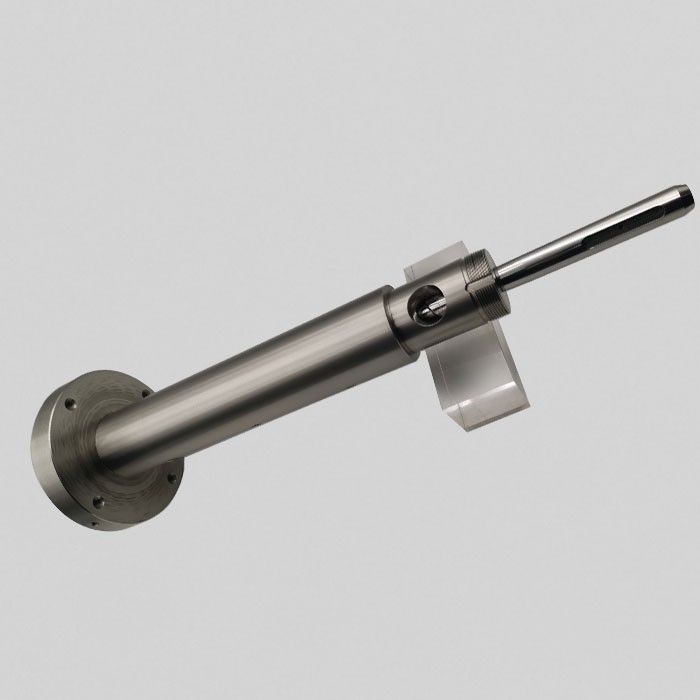
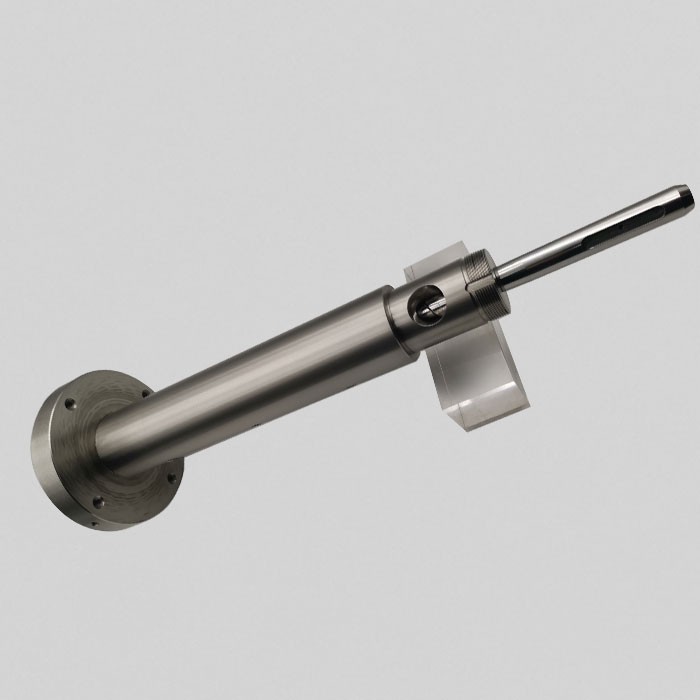
The design of the extruder barrel itself can affect the optimal screw speed. Barrels with different lengths, diameters, and screw geometries will have different performance characteristics. For instance, a longer barrel may allow for more heat transfer and mixing, which could potentially allow for a higher screw speed. You can check out our Extrusion Barrel and Extruder Sintered Hard Alloy Barrel for more information on different barrel designs.
Die Design
The die is the part of the extruder where the molten material takes its final shape. The design of the die, including its size, shape, and flow resistance, can impact the screw speed. A die with a complex shape or high flow resistance may require a lower screw speed to ensure proper filling and shaping of the product.
Steps to Adjust the Screw Speed
Now that we understand the factors involved, let's go through the steps to adjust the screw speed for an extruder barrel.
Step 1: Start with the Manufacturer's Recommendations
The first thing you should do is refer to the manufacturer's recommendations for the extruder barrel and the specific material you're using. These recommendations are based on extensive testing and can give you a good starting point for the screw speed.
Step 2: Set Up the Extruder
Make sure the extruder is properly set up and calibrated before you start adjusting the screw speed. Check the temperature settings, the feed rate of the raw material, and the alignment of the screw and barrel.
Step 3: Make Small Adjustments
Start with small adjustments to the screw speed. It's better to make incremental changes and observe the effects on the extrusion process and the final product. For example, you can increase or decrease the RPM by 5 - 10 and then run the extruder for a few minutes to see how the output changes.
Step 4: Monitor the Process
As you make adjustments to the screw speed, closely monitor the extrusion process. Look for signs of poor melting, such as unmelted particles in the output, or uneven mixing, such as streaks or variations in color. You should also pay attention to the pressure in the barrel and the power consumption of the extruder.
Step 5: Evaluate the Product Quality
After each adjustment, evaluate the quality of the final product. Check for dimensions, surface finish, and mechanical properties. If the product quality is not up to par, you may need to make further adjustments to the screw speed.
Step 6: Optimize the Speed
Keep making adjustments and evaluations until you find the optimal screw speed that gives you the best combination of production output and product quality. Remember, the optimal speed may change depending on factors like the batch of material, the ambient temperature, and the wear and tear of the extruder components.
Troubleshooting Screw Speed Issues
Even if you follow the steps above, you may still encounter some issues with the screw speed. Here are some common problems and how to troubleshoot them.
High Torque and Power Consumption
If you notice that the extruder is consuming a lot of power and the torque on the screw is high, it could be a sign that the screw speed is too high. Try reducing the speed and see if the power consumption and torque decrease. It could also be due to a blockage in the barrel or a problem with the material flow.
Poor Melting and Mixing
If the output has unmelted particles or uneven mixing, the screw speed may be too high or too low. If it's too high, the material may not have enough time to melt and mix properly. If it's too low, the material may not be sheared enough. Adjust the speed accordingly and check the temperature settings as well.
Inconsistent Product Dimensions
Inconsistent product dimensions can be caused by a fluctuating screw speed. Make sure the speed control system is working properly and that there are no mechanical issues with the screw or the drive system. You may also need to adjust the die temperature and pressure to ensure consistent flow through the die.
Importance of Regular Maintenance
Regular maintenance of the extruder barrel and screw is essential for optimal screw speed adjustment. Over time, the barrel and screw can wear out, which can affect the performance of the extruder. Inspect the barrel and screw regularly for signs of wear, such as scratches, corrosion, or uneven surfaces. Replace any worn - out parts as needed to ensure smooth operation and accurate speed control. You can learn more about our Barrel Screw Extruder and its maintenance requirements.
Conclusion
Adjusting the screw speed for an extruder barrel is a critical part of the extrusion process. By understanding the factors that affect screw speed, following the proper adjustment steps, and troubleshooting any issues that arise, you can ensure high - quality production and efficient operation. As a supplier of extruder barrels, we're here to support you in getting the most out of your extrusion equipment. If you have any questions or need help with adjusting the screw speed or choosing the right extruder barrel for your application, don't hesitate to reach out. We're always happy to assist you in your procurement process and ensure that you get the best solution for your needs.
References
- "Extrusion Process Technology" by Xanatos Enterprises
- "Plastics Extrusion: Principles and Practice" by OSSA Publications