

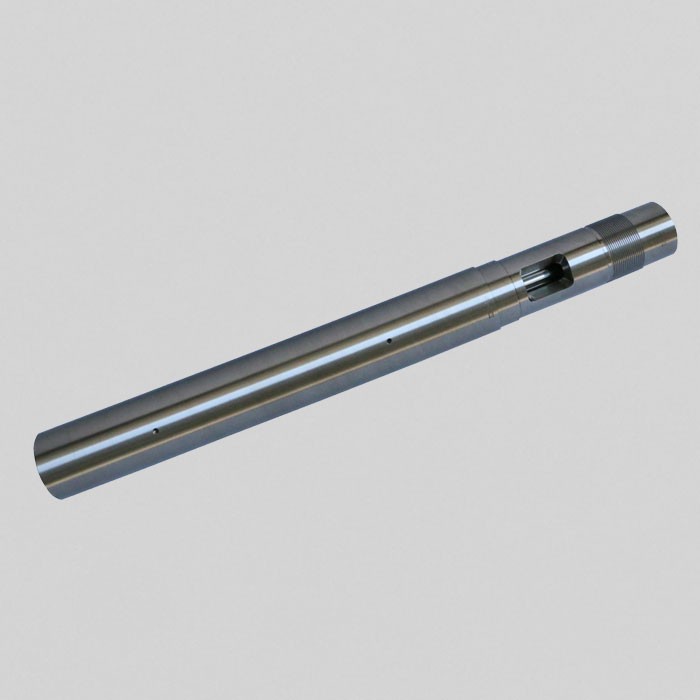
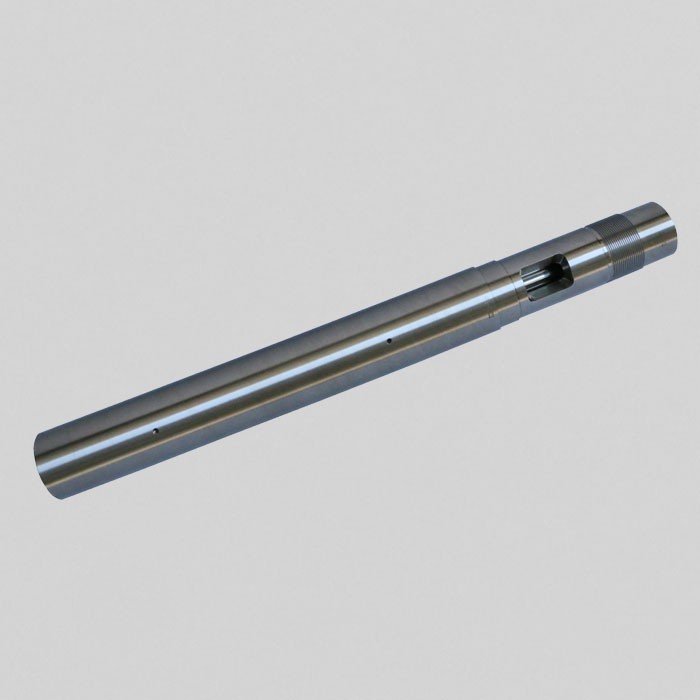
The injection screw barrel is a crucial component in the injection molding process, significantly influencing the melt temperature distribution. As a leading supplier of Injection Screw Barrel, we have in - depth knowledge of how this part impacts the quality and efficiency of the injection molding operation through its effect on melt temperature.
1. Basic Understanding of Melt Temperature Distribution in Injection Molding
In injection molding, the polymer resin is heated and transformed into a molten state within the injection screw barrel. The uniformity of the melt temperature distribution is of utmost importance. If the temperature is not evenly distributed, it can lead to various defects in the final molded products, such as warping, uneven shrinkage, and poor surface finish.
The ideal melt temperature distribution should be as uniform as possible across the cross - section and along the length of the melt flow. This ensures that the polymer behaves consistently during the injection, filling, and cooling phases of the molding process. For example, in the production of high - precision plastic parts like medical devices or electronic components, even a slight deviation in melt temperature can cause significant dimensional inaccuracies.
2. Factors of the Injection Screw Barrel Affecting Melt Temperature Distribution
2.1 Screw Design
The screw design of the injection screw barrel plays a vital role in melt temperature distribution. The flight depth, pitch, and compression ratio of the screw all influence how the polymer is conveyed, compressed, and melted.
- Flight Depth: A screw with a shallower flight depth can generate more shear stress on the polymer. Shear stress is a major source of heat generation in the barrel. As the polymer is forced through the narrow channels between the screw flights and the barrel wall, the frictional forces convert mechanical energy into thermal energy. This can lead to a more rapid increase in temperature near the barrel wall. However, if the flight depth is too shallow, it may cause over - heating in some areas and insufficient melting in others, resulting in an uneven melt temperature distribution.
- Pitch: The pitch of the screw determines the rate at which the polymer is conveyed along the barrel. A variable - pitch screw can be designed to control the compression and melting process more precisely. For instance, a screw with a decreasing pitch towards the front end of the barrel can gradually compress the polymer, which helps in better heat transfer and more uniform melting. This design can lead to a more consistent melt temperature distribution compared to a screw with a constant pitch.
- Compression Ratio: The compression ratio of the screw is the ratio of the volume of the polymer at the feed section to the volume at the metering section. A higher compression ratio can increase the pressure and shear stress on the polymer, promoting more efficient melting. But if the compression ratio is too high, it can cause excessive heat generation and uneven melting, especially for heat - sensitive polymers.
2.2 Barrel Heating and Cooling System
The heating and cooling system of the injection screw barrel is another critical factor. Our Injection Machine Barrel is equipped with advanced heating and cooling mechanisms to ensure optimal melt temperature distribution.
- Heating Elements: The heating elements on the barrel are responsible for providing the initial heat to melt the polymer. The distribution and power of these heating elements can affect the temperature profile along the barrel. For example, a well - designed barrel may have multiple independently controlled heating zones. This allows for precise adjustment of the temperature at different sections of the barrel, compensating for factors such as heat loss and the varying heat requirements during the melting process.
- Cooling Channels: Cooling channels are used to remove excess heat and maintain a stable temperature in the barrel. If the cooling channels are not properly designed or maintained, it can lead to hot spots or uneven cooling. For instance, if the coolant flow rate is too low in a particular area of the barrel, the temperature in that area may remain higher than desired, resulting in an uneven melt temperature distribution.
2.3 Barrel Material and Surface Finish
The material and surface finish of the barrel also impact melt temperature distribution.
- Barrel Material: Different barrel materials have different thermal conductivities. A barrel made of a material with high thermal conductivity, such as some types of steel alloys, can transfer heat more effectively between the heating elements and the polymer. This helps in achieving a more uniform temperature distribution within the barrel. For example, our Sintered Hard Alloy Barrel for Injection Molding Machine has excellent thermal properties, which contribute to better heat transfer and more consistent melt temperatures.
- Surface Finish: A smooth surface finish on the barrel wall can reduce frictional resistance and prevent the polymer from sticking. This ensures a more uniform flow of the polymer and better heat transfer. On the other hand, a rough surface can cause local variations in shear stress and heat generation, leading to an uneven melt temperature distribution.
3. Impact of Uneven Melt Temperature Distribution on the Injection Molding Process
3.1 Product Quality
As mentioned earlier, uneven melt temperature distribution can have a detrimental effect on product quality. Inconsistent temperatures can cause variations in the viscosity of the polymer, which affects how it fills the mold cavity. This can result in short shots, where the mold is not completely filled, or flash, where the polymer leaks out of the mold.
In addition, uneven cooling due to non - uniform melt temperatures can cause internal stresses in the molded part. These internal stresses can lead to warping and cracking over time, reducing the mechanical strength and durability of the product.
3.2 Process Efficiency
Uneven melt temperature distribution can also reduce process efficiency. When the melt temperature is not uniform, the injection molding machine may require longer cycle times to ensure proper filling and cooling of the mold. This is because the machine has to compensate for the variations in polymer properties caused by the temperature differences. Additionally, it may lead to more frequent machine stoppages for quality control checks and adjustments, increasing production costs.
4. How Our Injection Screw Barrels Ensure Optimal Melt Temperature Distribution
At our company, we understand the importance of melt temperature distribution in injection molding. Our injection screw barrels are designed and manufactured with the latest technologies to ensure the most uniform melt temperature possible.
We use advanced computer - aided design (CAD) and simulation software to optimize the screw design. By simulating the flow and melting process of the polymer within the barrel, we can fine - tune the flight depth, pitch, and compression ratio to achieve a more consistent melt temperature distribution.
In terms of the heating and cooling system, our barrels are equipped with high - precision heating elements and efficient cooling channels. The heating elements are carefully arranged in multiple zones, allowing for independent temperature control. The cooling channels are designed to provide a uniform coolant flow, effectively removing excess heat and maintaining a stable temperature throughout the barrel.
We also pay great attention to the selection of barrel materials and surface finish. Our Sintered Hard Alloy Barrel for Injection Molding Machine is made of high - quality materials with excellent thermal conductivity and wear resistance. The surface of the barrel is precisely machined to a smooth finish, ensuring a uniform flow of the polymer and optimal heat transfer.
5. Conclusion and Call to Action
In conclusion, the injection screw barrel has a profound impact on melt temperature distribution in the injection molding process. Understanding the factors that influence melt temperature and taking appropriate measures to control them is essential for achieving high - quality molded products and efficient production processes.
As a professional supplier of Injection Screw Barrel, we are committed to providing our customers with the best - in - class products and solutions. Our injection screw barrels are designed to optimize melt temperature distribution, improve product quality, and increase process efficiency.
If you are looking for reliable injection screw barrels for your injection molding operations, we invite you to contact us for further discussion and procurement. We have a team of experts who can provide you with detailed technical advice and customized solutions based on your specific requirements.
References
- Tadmor, Z., & Gogos, C. G. (2006). Principles of Polymer Processing. Wiley - Interscience.
- Rosato, D. V., & Rosato, D. P. (2011). Injection Molding Handbook. Kluwer Academic Publishers.
- Mallouk, R. K. (2008). Injection Molding for Medical Applications. Hanser Publishers.