

Hey there! As a supplier of extruder screw barrels, I've seen firsthand how the feed rate can make or break the performance of these crucial components. So, let's dive into how the feed rate impacts the performance of an extruder screw barrel.
First off, what exactly is the feed rate? Well, it's basically the amount of material that's fed into the extruder per unit of time. This can vary depending on the type of material, the size of the extruder, and the specific application. And trust me, getting the feed rate right is super important.
One of the most obvious ways the feed rate affects the extruder screw barrel is in terms of output. If the feed rate is too low, the extruder won't be able to produce as much product as it could. This means less efficiency and potentially less profit for the user. On the other hand, if the feed rate is too high, it can put a lot of stress on the screw barrel. The screw has to work harder to push all that extra material through, which can lead to increased wear and tear.
Let's talk about how the feed rate impacts the melting process. When the material enters the extruder, it needs to be melted down to a consistent state. A proper feed rate allows for a more controlled melting process. If the feed rate is too low, the material might stay in the barrel for too long. This can cause over - melting, which can change the properties of the material. For example, in the case of plastics, over - melting can lead to degradation of the polymer chains, resulting in a weaker final product.
Conversely, if the feed rate is too high, the material may not have enough time to melt properly. This can lead to unmelted chunks in the extruded product, which is a big no - no. These unmelted chunks can cause blockages in the die or affect the quality and appearance of the final product.
Now, let's touch on the mixing aspect. The screw barrel is designed to mix the material thoroughly to ensure a homogeneous product. A well - calibrated feed rate is essential for good mixing. If the feed rate is off, the mixing efficiency can be severely compromised. At a low feed rate, the material may not be agitated enough, and there won't be enough shear forces generated for proper mixing. At a high feed rate, the screw might not be able to keep up with the incoming material, and some parts of the material may bypass the mixing zones.
The wear and tear on the screw barrel is also directly related to the feed rate. When the feed rate is high, there's more friction between the screw and the barrel. The increased pressure and force required to move the large amount of material can cause the surface of the screw and the barrel to wear out faster. This means more frequent replacements, which can be costly for the end - user.
On the other hand, a low and steady feed rate can help extend the lifespan of the screw barrel. It reduces the stress on the components, allowing them to operate more smoothly and last longer. This is something that I always emphasize to my customers, as a longer - lasting screw barrel means more savings in the long run.
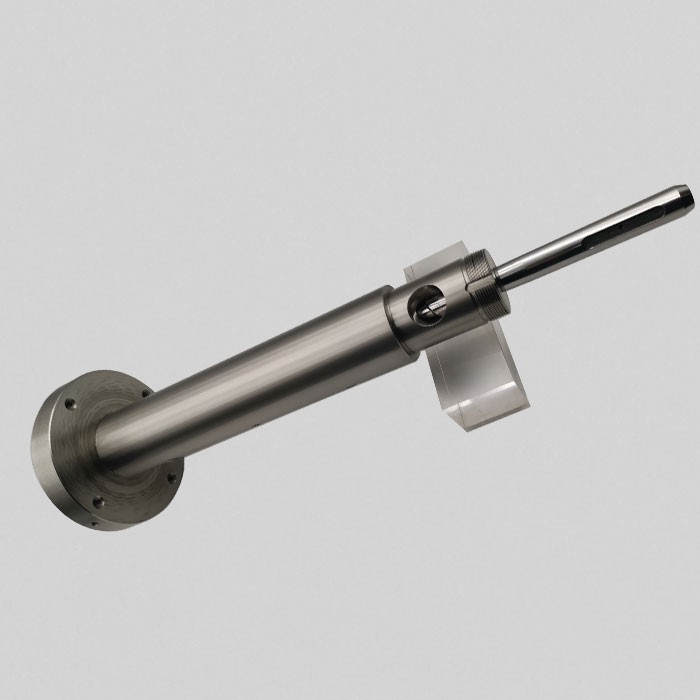
Now, I'd like to mention some of the products we offer at our company. We have a great selection of Single Screw Extruder Screw Barrel that are designed to handle different feed rates and materials. Our Plastic Extruder Screw Barrel is specifically engineered for the plastic extrusion industry, taking into account the unique requirements of plastic materials and their melting and mixing processes. And if you're looking for high - performance options, our Extruder Bimetallic Barrel is a top - notch choice. It offers excellent wear resistance, which is especially important when dealing with different feed rates.
So, how do you determine the right feed rate for your extruder screw barrel? Well, it depends on several factors. The type of material is a big one. Different materials have different melting points, viscosities, and flow characteristics. You also need to consider the size and design of the extruder. A larger extruder can generally handle a higher feed rate than a smaller one. And of course, the end - product requirements play a role. If you need a high - quality, precise product, you'll need to fine - tune the feed rate more carefully.
It's also a good idea to do some testing. Start with a conservative feed rate and gradually increase or decrease it while monitoring the performance of the extruder and the quality of the output. Look for signs of over - melting, unmelted chunks, or excessive wear on the screw barrel. This hands - on approach can help you find the sweet spot for your specific application.
In conclusion, the feed rate has a huge impact on the performance of an extruder screw barrel. It affects the output, the melting process, the mixing efficiency, and the lifespan of the components. As a supplier, I'm always here to help my customers understand these relationships and choose the right screw barrel for their needs. If you're in the market for an extruder screw barrel or have any questions about feed rates and their impact, don't hesitate to reach out. We can have a detailed discussion about your requirements and find the best solution for you.
References

- "Extrusion Process Technology" by a well - known industry expert
- Technical manuals from leading extruder manufacturers