

Hey there! As a supplier of extrusion barrels, I've seen firsthand how these seemingly simple components can have a huge impact on the mechanical properties of extruded products. In this blog, I'm gonna break down the relationship between extrusion barrels and the end - product's mechanical features, so you can make informed decisions when it comes to your extrusion needs.
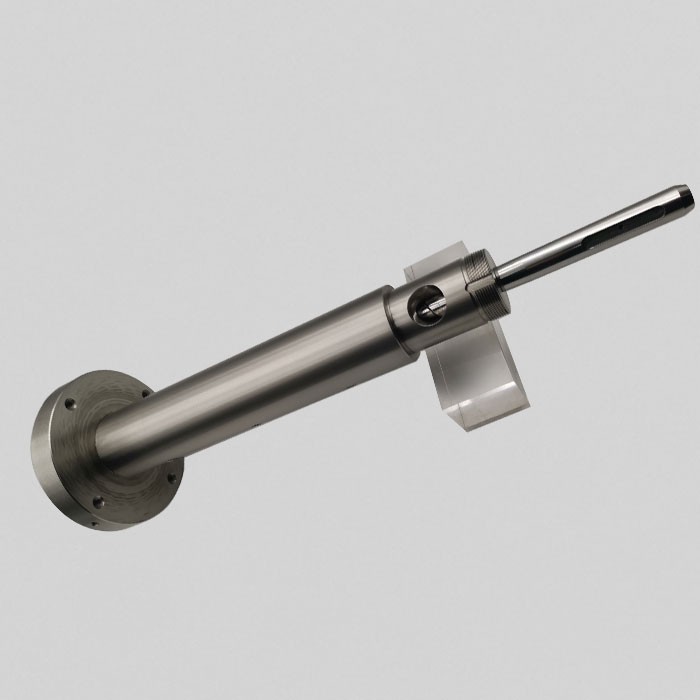
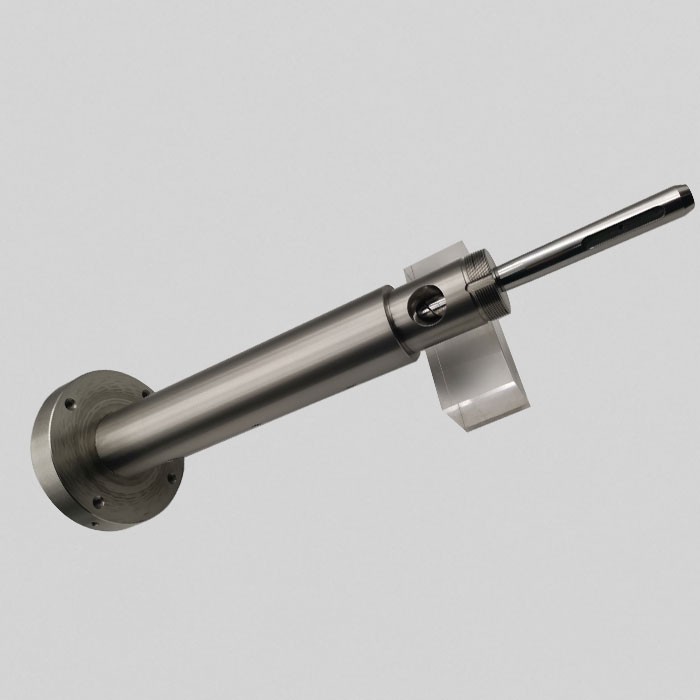
Let's start with the basics. An extrusion barrel is a key part of an extruder. It's where the magic happens - the raw materials are heated, melted, and then pushed through a die to form the final product. But it's not just a simple tube; its design, material, and operating conditions all play a role in determining the mechanical properties of the extruded item.
Material of the Extrusion Barrel
The material of the extrusion barrel is super important. Different materials have different heat transfer rates, wear resistances, and chemical compatibilities.
For instance, Extrusion Screw Barrel is commonly made of high - strength alloy steels. These steels can withstand high pressures and temperatures during the extrusion process. When the barrel is made of a good heat - conducting material, it can heat the raw materials evenly. This even heating is crucial because if the material isn't heated uniformly, you might end up with inconsistent melting. Inconsistent melting can lead to variations in the density and molecular structure of the extruded product, which in turn affects its mechanical strength. A product with uneven density might be weaker in some areas, making it more prone to breakage under stress.
Another type is the Extruder Bimetallic Barrel. Bimetallic barrels combine the advantages of two different metals. Usually, the inner layer is made of a wear - resistant material, while the outer layer provides structural support. This kind of barrel is great for applications where the raw materials are abrasive. If you're extruding a material with a lot of hard particles, a bimetallic barrel can prevent excessive wear. Without proper wear resistance, the inner surface of the barrel can become rough over time. A rough barrel surface can cause the molten material to flow unevenly, creating defects in the extruded product like surface roughness or internal voids. These defects can significantly reduce the product's fatigue resistance and overall mechanical performance.
Then there's the Extruder Sintered Hard Alloy Barrel. Sintered hard alloy barrels are extremely hard and have excellent heat resistance. They're often used for high - precision extrusion processes. When you need to produce products with very tight mechanical property tolerances, a sintered hard alloy barrel can maintain a stable internal environment. The precise control of temperature and pressure within the barrel ensures that the extruded product has consistent mechanical properties, such as a stable modulus of elasticity and predictable tensile strength.
Barrel Design
The design of the extrusion barrel also has a major impact on the mechanical properties of the extruded product. The length - to - diameter ratio (L/D ratio) of the barrel is a critical factor. A higher L/D ratio means the raw material spends more time in the barrel. This extra time allows for better mixing and melting of the material. When the material is well - mixed, its molecular chains are more uniformly distributed. This uniform distribution results in a more homogeneous product with better mechanical properties. For example, a product with a well - mixed molecular structure will have more consistent hardness and toughness throughout its cross - section.
The shape of the barrel's internal channel is another design aspect. Some barrels have a tapered or stepped internal shape. These shapes can help control the flow rate and pressure of the molten material. By adjusting the flow rate and pressure, you can influence the orientation of the polymer chains in the extruded product. In some cases, you might want the polymer chains to be aligned in a certain direction to enhance the product's strength in that direction. For example, in the production of plastic pipes, aligning the polymer chains along the length of the pipe can increase its hoop strength, making it more resistant to internal pressure.
Operating Conditions
The operating conditions of the extrusion barrel, such as temperature and pressure, are also vital. The temperature inside the barrel needs to be carefully controlled. If the temperature is too low, the material won't melt completely. An incompletely melted material will have poor flow properties and might not fill the die properly. This can lead to a product with low density and weak mechanical bonds between its components. On the other hand, if the temperature is too high, the material can degrade. Thermal degradation can break the molecular chains of the polymer, reducing its molecular weight. A lower molecular weight means a weaker product with reduced tensile strength and elongation at break.
Pressure is another important factor. High pressure in the barrel can compress the molten material, making it more dense. A denser product generally has better mechanical properties, such as higher hardness and improved impact resistance. However, if the pressure is too high, it can cause excessive shear stress on the material. Excessive shear stress can break the molecular chains or cause the material to flow in an unstable manner, resulting in a product with internal stresses and defects.
Impact on Specific Mechanical Properties
Let's take a closer look at how the extrusion barrel affects specific mechanical properties of the extruded product.
Tensile Strength: As we've discussed, factors like material selection, uniform heating, and proper mixing in the barrel all contribute to a product's tensile strength. A well - designed and maintained barrel ensures that the material has a consistent molecular structure. When a product is pulled during a tensile test, a uniform molecular structure allows the load to be evenly distributed across the material. This even distribution of load means the product can withstand more force before breaking, resulting in higher tensile strength.
Flexural Strength: Flexural strength is about a product's ability to resist bending. The extrusion barrel's influence on the product's density and internal structure is crucial here. A product with a consistent density and a well - mixed molecular structure will have better flexural strength. For example, in the production of plastic sheets, a barrel that can provide uniform melting and flow of the material will result in a sheet that can bend without cracking easily.
Hardness: The hardness of an extruded product is related to its molecular arrangement and density. The temperature and pressure control in the barrel play a key role. When the barrel maintains the right temperature and pressure, the material solidifies in a way that creates a dense and tightly - packed molecular structure. This dense structure gives the product higher hardness.
Why Choose Our Extrusion Barrels
We understand that getting the right extrusion barrel is essential for achieving the desired mechanical properties in your extruded products. Our company offers a wide range of extrusion barrels, including Extrusion Screw Barrel, Extruder Bimetallic Barrel, and Extruder Sintered Hard Alloy Barrel.
Our barrels are made from high - quality materials and are designed with precision. We have a team of experts who can help you choose the right barrel based on your specific extrusion requirements. Whether you need a barrel for high - precision applications or for handling abrasive materials, we've got you covered.
If you're looking to improve the mechanical properties of your extruded products and want to work with a reliable extrusion barrel supplier, we'd love to hear from you. Reach out to us for a detailed discussion about your needs and how our barrels can help you achieve the best results.
References
- "Extrusion of Polymers: Theory and Practice" by Michaeli, W.
- "Plastics Extrusion Technology" by Rosato, D. V.