

In the field of plastic extrusion, the extruder plays a pivotal role, and among its numerous components, the bimetallic barrel is a crucial part that significantly impacts the extrusion process. As a trusted extruder bimetallic barrel supplier, I am deeply aware of the importance of understanding how the bimetallic barrel affects the pressure distribution in the extruder. This knowledge not only helps in optimizing the extrusion process but also ensures the production of high - quality plastic products.
The Basics of Extrusion and Pressure Distribution
Before delving into the impact of the bimetallic barrel on pressure distribution, it is essential to understand the basic principles of extrusion. In an extruder, raw plastic materials are fed into the barrel, where they are heated, melted, and then forced through a die to form the desired shape. The pressure within the extruder is a key factor that influences the flow of the molten plastic. A proper pressure distribution ensures uniform melting, mixing, and shaping of the plastic.
The pressure in the extruder is generated mainly by the rotation of the screw. As the screw rotates, it pushes the plastic forward, creating a pressure gradient along the length of the barrel. The pressure typically increases from the feeding section to the metering section and then decreases slightly at the die. This pressure distribution is affected by various factors, including the design of the screw, the properties of the plastic material, and the characteristics of the barrel.
Characteristics of Bimetallic Barrels
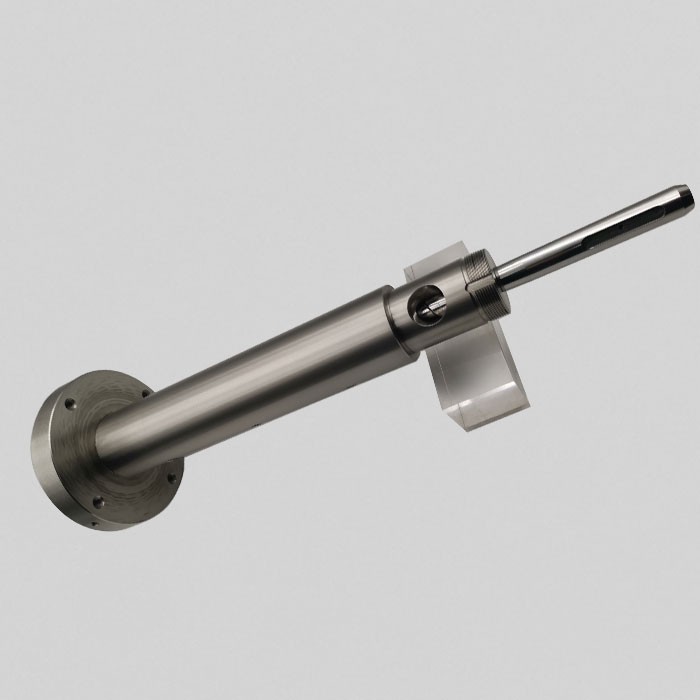
A bimetallic barrel is a type of barrel that consists of two different metals. The inner layer is usually made of a wear - resistant alloy, while the outer layer is made of a structural steel. This combination provides several advantages. Firstly, the wear - resistant inner layer can withstand the high - pressure and high - temperature environment inside the extruder, reducing the wear and tear caused by the friction between the screw and the barrel. Secondly, the outer structural steel layer provides the necessary strength and rigidity to support the inner layer and the overall structure of the barrel.
The unique structure of the bimetallic barrel also affects its thermal conductivity. The inner alloy layer usually has a different thermal conductivity compared to the outer steel layer. This difference in thermal conductivity can influence the heat transfer within the barrel, which in turn affects the melting and flow of the plastic. For example, if the inner layer has a high thermal conductivity, it can transfer heat more efficiently from the heating elements to the plastic, promoting faster melting.
Impact of Bimetallic Barrels on Pressure Distribution
1. Friction and Wear
One of the primary ways in which the bimetallic barrel affects pressure distribution is through its influence on friction. The wear - resistant inner layer of the bimetallic barrel reduces the friction between the screw and the barrel. Lower friction means that the screw can rotate more smoothly, and less energy is wasted in overcoming the frictional force. As a result, the pressure generated by the screw can be more effectively transferred to the plastic, leading to a more stable pressure distribution along the barrel.
Moreover, reduced wear ensures that the clearance between the screw and the barrel remains constant over time. If the barrel wears out, the clearance will increase, which can cause a significant drop in pressure and affect the quality of the extruded product. With a bimetallic barrel, the long - term stability of the pressure distribution is maintained, resulting in consistent product quality.

2. Thermal Conductivity
The thermal conductivity of the bimetallic barrel also has a profound impact on pressure distribution. As mentioned earlier, the difference in thermal conductivity between the inner and outer layers can affect the heat transfer within the barrel. If the plastic is heated unevenly, it can lead to variations in its viscosity. Higher viscosity plastic requires more pressure to flow, while lower viscosity plastic flows more easily.
A well - designed bimetallic barrel can ensure uniform heating of the plastic, which helps to maintain a consistent viscosity. This, in turn, leads to a more stable pressure distribution. For example, in a bimetallic barrel with a high - conductivity inner layer, the plastic can be heated more evenly, reducing the pressure fluctuations caused by uneven viscosity.
3. Barrel Geometry
The geometry of the bimetallic barrel, such as its diameter, length, and the shape of the inner surface, also affects pressure distribution. A larger diameter barrel can accommodate more plastic, but it may also require more pressure to push the plastic forward. The length of the barrel determines the residence time of the plastic inside the extruder. A longer barrel allows for more thorough melting and mixing, but it may also cause a higher pressure drop.
The shape of the inner surface of the barrel can also influence the flow of the plastic. For instance, a barrel with a smooth inner surface can reduce the frictional resistance, while a barrel with a grooved inner surface can enhance the mixing of the plastic. These factors all contribute to the overall pressure distribution in the extruder.
Comparing Bimetallic Barrels with Other Types of Barrels
When considering the impact of the bimetallic barrel on pressure distribution, it is also useful to compare it with other types of barrels, such as nitrided steel barrels and sintered hard alloy barrels.
Extruder Nitrided Steel Barrel is a type of barrel that has a nitrided layer on the inner surface. The nitrided layer provides good wear resistance and corrosion resistance. However, compared to bimetallic barrels, nitrided steel barrels may have a lower thermal conductivity, which can lead to less efficient heat transfer and potentially more uneven pressure distribution.
Extruder Sintered Hard Alloy Barrel is made entirely of a sintered hard alloy. These barrels offer excellent wear resistance and high - temperature performance. But they are often more expensive and may be more brittle than bimetallic barrels. In terms of pressure distribution, the uniform material properties of sintered hard alloy barrels can provide a stable pressure environment, but the bimetallic barrels can offer a better balance between wear resistance, thermal conductivity, and cost.
Extruder Screw Barrel is a general term that includes different types of barrels. The bimetallic screw barrel, with its unique structure and properties, can provide a more optimized pressure distribution compared to some other types of screw barrels, especially in terms of long - term stability and cost - effectiveness.
Importance of Optimizing Pressure Distribution
Optimizing the pressure distribution in the extruder is crucial for several reasons. Firstly, it ensures the quality of the extruded products. A stable pressure distribution leads to uniform melting and mixing of the plastic, resulting in products with consistent dimensions, mechanical properties, and surface finish. Secondly, it improves the efficiency of the extrusion process. When the pressure is properly distributed, the screw can operate more smoothly, reducing energy consumption and increasing the production rate.
Finally, optimizing pressure distribution can also extend the service life of the extruder components. By reducing the pressure fluctuations and wear, the bimetallic barrel and other parts of the extruder are less likely to fail prematurely, saving on maintenance and replacement costs.
Conclusion
In conclusion, the bimetallic barrel has a significant impact on the pressure distribution in the extruder. Its unique structure, including the combination of different metals, affects friction, thermal conductivity, and barrel geometry, all of which contribute to the overall pressure distribution. Compared to other types of barrels, the bimetallic barrel offers a good balance between wear resistance, thermal performance, and cost - effectiveness.
As a supplier of extruder bimetallic barrels, we understand the importance of these factors and are committed to providing high - quality products that can optimize the pressure distribution in your extruder. If you are looking for a reliable solution to improve the performance of your extruder, we invite you to contact us for more information and to discuss your specific requirements. Our team of experts is ready to assist you in selecting the most suitable bimetallic barrel for your application.
References
- Rauwendaal, C. (2001). Polymer Extrusion. Hanser Publishers.
- Tadmor, Z., & Gogos, C. G. (2006). Principles of Polymer Processing. Wiley - Interscience.
- White, J. L., & Potente, H. (2007). Handbook of Polymer Extrusion Technology. Wiley - Interscience.