

As a supplier of HVOF coating screws, I've encountered numerous inquiries from clients regarding the applicability of High - Velocity Oxygen Fuel (HVOF) coating on stainless - steel screws. This blog aims to delve into this topic comprehensively, exploring the technical aspects, benefits, and potential limitations of using HVOF coating on stainless - steel screws.
Understanding HVOF Coating
HVOF coating is a thermal spray process that involves the combustion of a fuel gas and oxygen in a combustion chamber. The resulting high - velocity jet of hot gases accelerates powder particles towards the substrate surface. These particles, upon impact, deform and bond to the surface, creating a dense and well - adhered coating.
The HVOF process offers several advantages over other coating methods. It produces coatings with high hardness, excellent wear resistance, and good corrosion resistance. The high - velocity impact of the particles results in a coating with low porosity, which enhances its protective properties.
Stainless - Steel Screws: Characteristics and Challenges
Stainless steel is a popular choice for screws due to its corrosion resistance, strength, and aesthetic appeal. However, in certain applications, stainless - steel screws may face challenges such as wear, galling, and adhesion issues. For example, in high - pressure or high - friction environments, the surface of the stainless - steel screw can be damaged, leading to reduced performance and potentially compromising the integrity of the assembly.
The Compatibility of HVOF Coating and Stainless - Steel Screws
1. Adhesion
One of the key factors in determining the suitability of HVOF coating on stainless - steel screws is adhesion. The HVOF process typically provides excellent adhesion to stainless - steel substrates. The high - velocity impact of the coating particles creates a mechanical bond with the substrate surface. Additionally, proper surface preparation, such as grit blasting, can further enhance the adhesion by creating a rough surface for the coating to grip onto.
2. Wear Resistance
HVOF coatings can significantly improve the wear resistance of stainless - steel screws. The hard ceramic or metal - ceramic coatings applied through the HVOF process can withstand high - pressure and high - friction conditions better than uncoated stainless steel. This is particularly beneficial in applications where the screw is subject to frequent tightening and loosening, or in environments with abrasive particles.
3. Corrosion Resistance
While stainless steel already has good corrosion resistance, HVOF coatings can provide an additional layer of protection. Some HVOF coatings, such as those made of ceramic materials, are highly resistant to chemical attack. This can be advantageous in harsh chemical environments where the stainless - steel screw may be exposed to corrosive substances.

4. Coating Thickness and Precision
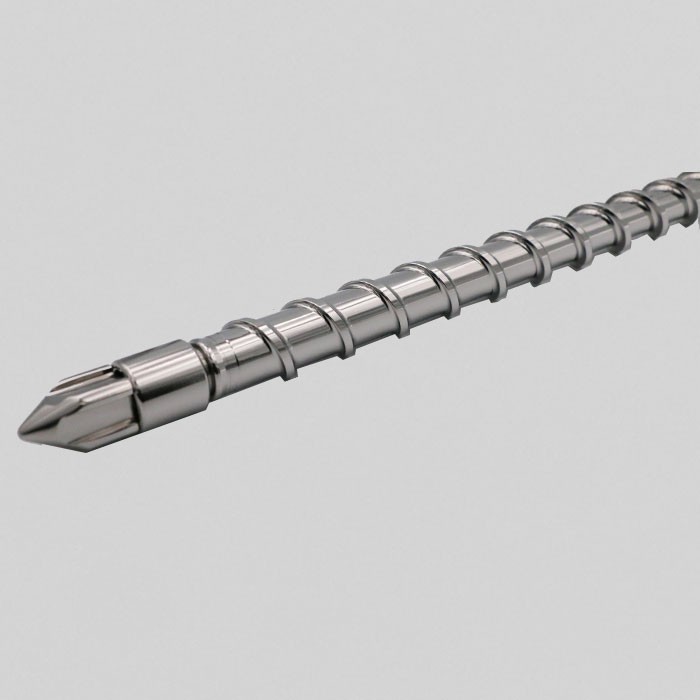
When applying HVOF coating to stainless - steel screws, it is important to control the coating thickness precisely. Screws often have tight dimensional tolerances, and an overly thick coating can affect the fit and function of the screw. Our advanced HVOF coating technology allows us to apply coatings with high precision, ensuring that the dimensional requirements of the screws are met.
Applications of HVOF - Coated Stainless - Steel Screws
1. Aerospace Industry
In the aerospace industry, where reliability and performance are crucial, HVOF - coated stainless - steel screws can be used in critical components. The improved wear and corrosion resistance of the coated screws can enhance the safety and durability of aircraft structures.
2. Automotive Industry
In automotive applications, HVOF - coated stainless - steel screws can be used in engines, transmissions, and other high - stress components. The coating can reduce wear and friction, leading to improved fuel efficiency and longer component life.
3. Chemical Processing Industry
In chemical plants, where screws are exposed to corrosive chemicals, HVOF - coated stainless - steel screws can provide long - term protection. The corrosion - resistant coating can prevent the screw from being damaged by chemical attack, ensuring the integrity of the equipment.
Comparison with Other Coating Options
1. Electroplating
Electroplating is a common coating method for screws. However, electroplating may not provide the same level of wear and corrosion resistance as HVOF coating. Electroplated coatings are often thinner and may have higher porosity, which can reduce their protective properties.
2. Powder Coating
Powder coating is another option for screws. While powder coating can provide good aesthetic appeal, it may not be as suitable for high - performance applications as HVOF coating. Powder coatings are generally less hard and less wear - resistant than HVOF coatings.
Our Product Range
As a leading supplier of HVOF coating screws, we offer a wide range of products to meet different customer needs. In addition to our standard HVOF - coated stainless - steel screws, we also provide specialized screws such as Pta Welding Screw, Fully Hardened Alloy Screw for Injection Molding Machine, and Halogen - free Screw.
Our HVOF - coated screws are manufactured using the latest technology and strict quality control measures. We ensure that each screw meets the highest standards of performance and reliability.
Potential Limitations and Considerations
1. Cost
The HVOF coating process can be more expensive than some other coating methods. However, the long - term benefits of improved wear and corrosion resistance often justify the higher initial cost.
2. Coating Brittleness
Some HVOF coatings may be relatively brittle. In applications where the screw is subject to high - impact loads, there is a risk of the coating cracking or spalling. However, our engineering team can select the appropriate coating material and process parameters to minimize this risk.
Conclusion
In conclusion, HVOF coating can be effectively used on stainless - steel screws. The coating offers significant advantages in terms of wear resistance, corrosion resistance, and adhesion. While there are some potential limitations, such as cost and coating brittleness, these can be managed through proper selection of coating materials and process optimization.
If you are interested in our HVOF - coated stainless - steel screws or any of our other products, we invite you to contact us for a detailed discussion. Our team of experts is ready to assist you in finding the best solution for your specific application.
References
- Smith, J. (2018). Thermal Spray Coatings: Principles and Applications. Elsevier.
- Jones, A. (2019). Corrosion Resistance of Coated Metals. Wiley.
- Brown, R. (2020). Wear and Friction in Mechanical Components. Springer.