

In the world of injection moulding, the choice of the right nozzle type for a particular barrel is a critical decision that can significantly impact the quality of the final product, production efficiency, and overall cost. As a supplier of barrels for injection moulding, I've witnessed firsthand the importance of this decision-making process. In this blog, we'll explore the various nozzle types and discuss which ones are most suitable for different barrels.
Understanding the Basics of Injection Moulding Barrels
Before delving into nozzle selection, it's essential to understand the different types of barrels used in injection moulding. At our company, we offer a range of high-quality barrels, including the Nitrided Steel Barrel for Injection Molding Machine, Injection Screw Barrel, and Sintered Hard Alloy Barrel for Injection Molding Machine. Each type of barrel has its unique characteristics and is designed to handle specific materials and production requirements.
- Nitrided Steel Barrels: These barrels are treated with a nitriding process, which enhances their surface hardness and wear resistance. They are suitable for general-purpose injection moulding applications and can handle a wide range of thermoplastics.
- Injection Screw Barrels: These barrels are designed to work in conjunction with a screw to melt and convey the plastic material. They are commonly used in large-scale production and can handle high-viscosity materials.
- Sintered Hard Alloy Barrels: These barrels are made from a sintered hard alloy material, which offers excellent wear resistance and corrosion resistance. They are ideal for processing abrasive and corrosive plastics, such as glass-filled polymers and PVC.
Types of Nozzles in Injection Moulding
There are several types of nozzles available in the market, each with its own advantages and disadvantages. The choice of nozzle depends on various factors, such as the type of barrel, the material being processed, the injection moulding machine, and the desired product quality. Here are some of the most common types of nozzles:
Open Nozzles
Open nozzles are the simplest and most commonly used type of nozzle in injection moulding. They have a straight-through design with no valve or shut-off mechanism. The molten plastic flows freely through the nozzle and into the mould cavity. Open nozzles are suitable for low-viscosity materials and applications where a high flow rate is required. However, they are prone to drooling and stringing, which can affect the quality of the final product.
Shut-Off Nozzles
Shut-off nozzles are designed to prevent drooling and stringing by closing the flow of molten plastic when the injection cycle is complete. They have a valve or a pin that closes the nozzle tip, preventing the plastic from leaking out. Shut-off nozzles are suitable for high-viscosity materials and applications where a precise control of the plastic flow is required. They are also ideal for multi-cavity moulds, where the plastic needs to be evenly distributed among the cavities.
Thermal Nozzles
Thermal nozzles use heat to control the flow of molten plastic. They have a heating element around the nozzle tip, which keeps the plastic in a molten state and prevents it from solidifying. Thermal nozzles are suitable for materials that are sensitive to temperature changes, such as thermosetting plastics. They are also ideal for applications where a high degree of precision is required, such as in the production of medical devices and electronic components.
Valve-Gated Nozzles
Valve-gated nozzles use a valve to control the flow of molten plastic. They have a pin or a valve that opens and closes the nozzle tip, allowing the plastic to flow into the mould cavity. Valve-gated nozzles are suitable for high-precision applications and can provide a more consistent and uniform filling of the mould cavity. They are also ideal for multi-cavity moulds, where the plastic needs to be evenly distributed among the cavities.
Matching Nozzle Types to Barrel Types
Now that we've discussed the different types of barrels and nozzles, let's explore how to match the right nozzle type to a particular barrel. The choice of nozzle depends on several factors, including the material being processed, the injection moulding machine, and the desired product quality. Here are some general guidelines to help you make the right decision:
Nitrided Steel Barrels
Nitrided steel barrels are suitable for a wide range of thermoplastics and general-purpose injection moulding applications. For these barrels, open nozzles are often a good choice, especially for low-viscosity materials. Open nozzles provide a high flow rate and are easy to maintain. However, if you're processing high-viscosity materials or need more precise control of the plastic flow, shut-off nozzles or valve-gated nozzles may be more suitable.
Injection Screw Barrels
Injection screw barrels are designed to work in conjunction with a screw to melt and convey the plastic material. They are commonly used in large-scale production and can handle high-viscosity materials. For these barrels, shut-off nozzles or valve-gated nozzles are often the preferred choice. These nozzles provide better control of the plastic flow and can prevent drooling and stringing, which are common issues with high-viscosity materials.
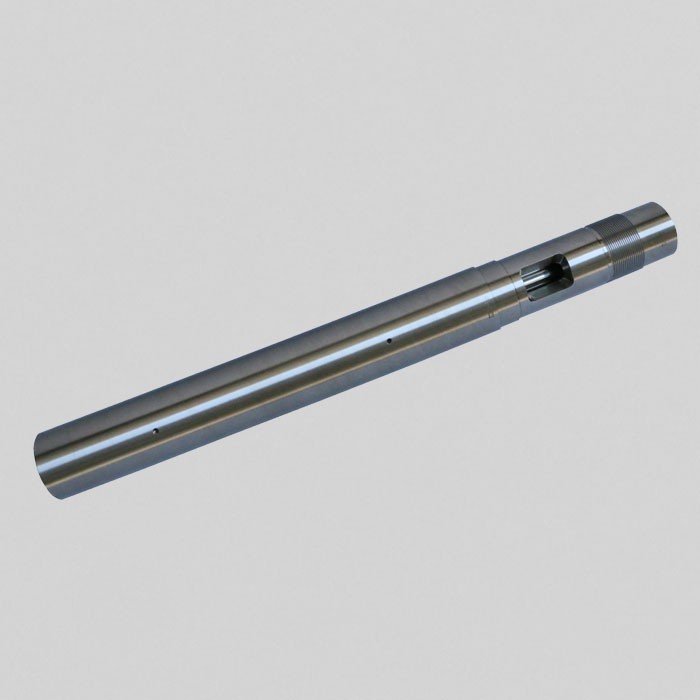
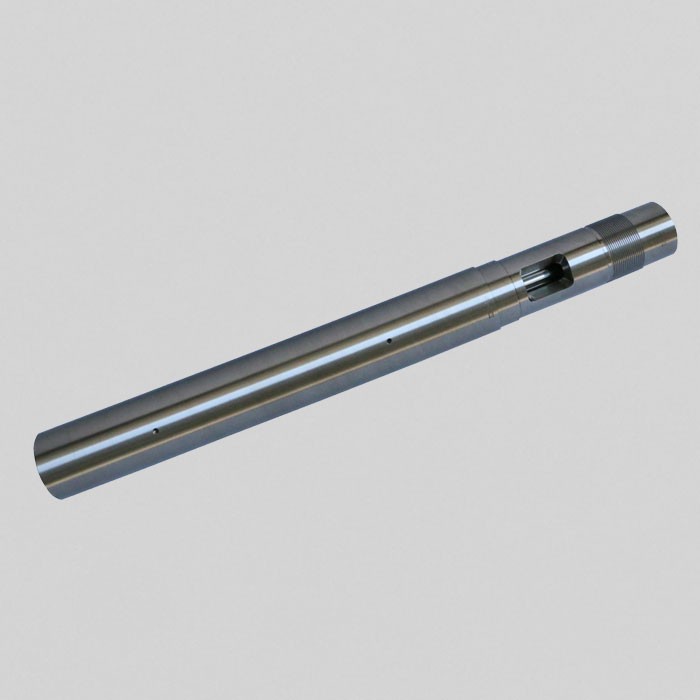
Sintered Hard Alloy Barrels
Sintered hard alloy barrels are ideal for processing abrasive and corrosive plastics, such as glass-filled polymers and PVC. For these barrels, thermal nozzles or valve-gated nozzles are often the best choice. Thermal nozzles can keep the plastic in a molten state and prevent it from solidifying, while valve-gated nozzles can provide a more consistent and uniform filling of the mould cavity.
Factors to Consider When Choosing a Nozzle
In addition to the type of barrel, there are several other factors to consider when choosing a nozzle for your injection moulding application. These factors include:
- Material Compatibility: The nozzle should be compatible with the material being processed. Some materials, such as PVC and fluoropolymers, can be corrosive and require a nozzle made from a corrosion-resistant material.
- Injection Moulding Machine: The nozzle should be compatible with the injection moulding machine. The size and shape of the nozzle should match the machine's nozzle adapter, and the nozzle should be able to withstand the pressure and temperature of the injection process.
- Product Quality: The nozzle should be able to provide a consistent and uniform filling of the mould cavity. This can help to improve the quality of the final product and reduce the number of defects.
- Cost: The cost of the nozzle is also an important factor to consider. You should choose a nozzle that provides the best value for your money, taking into account the initial cost, the maintenance cost, and the expected lifespan of the nozzle.
Conclusion
Choosing the right nozzle type for a particular barrel is a critical decision that can significantly impact the quality of the final product, production efficiency, and overall cost. As a supplier of barrels for injection moulding, we understand the importance of this decision-making process and are committed to providing our customers with the highest quality products and services. If you're looking for a reliable and experienced supplier of injection moulding barrels and nozzles, please don't hesitate to contact us. We'll be happy to help you choose the right products for your specific needs and provide you with the support and guidance you need to succeed in your injection moulding business.
References
- Campbell, C. (2017). Injection Molding Handbook. Hanser Publications.
- Throne, J. L. (2019). Polymer Rheology and Extrusion. CRC Press.
- Rosato, D. V., & Rosato, D. V. (2018). Injection Molding Handbook. Wiley.