

The extrusion process is a fundamental manufacturing technique used in various industries, from plastics and polymers to food and pharmaceuticals. At the heart of this process lies the extruder, a complex machine that transforms raw materials into finished products. One of the critical components of an extruder is the compression section, which plays a pivotal role in determining the quality and efficiency of the extrusion process. As a supplier of barrels in extruders, I have witnessed firsthand the impact of the compression section on the overall performance of the extruder. In this blog post, I will delve into the intricacies of the compression section and explore how it affects the extrusion process.
Understanding the Extrusion Process
Before we dive into the role of the compression section, let's first understand the basic principles of the extrusion process. An extruder consists of a barrel, a screw, and a die. The raw material, typically in the form of pellets or powder, is fed into the hopper at the rear of the barrel. As the screw rotates, it conveys the material forward through the barrel, where it is heated and melted. The molten material is then forced through the die, which gives it the desired shape and size.
The extrusion process can be divided into three main stages: feeding, compression, and metering. The feeding section is responsible for conveying the raw material from the hopper to the compression section. The compression section, as the name suggests, compresses the material, increasing its density and pressure. Finally, the metering section meters the molten material at a constant rate, ensuring a consistent output.
The Role of the Compression Section
The compression section is a crucial part of the extruder, as it determines the quality and efficiency of the extrusion process. Its primary function is to compress the raw material, reducing its volume and increasing its density. This compression is achieved by gradually reducing the channel depth of the screw as it moves from the feeding section to the metering section. As the channel depth decreases, the material is forced to pack more tightly together, resulting in an increase in pressure.
The compression ratio, which is the ratio of the channel depth at the beginning of the compression section to the channel depth at the end, is an important parameter that affects the performance of the compression section. A higher compression ratio means a greater degree of compression, which can lead to better mixing, melting, and degassing of the material. However, a too high compression ratio can also cause excessive shear heating, which can degrade the material and affect the quality of the final product.

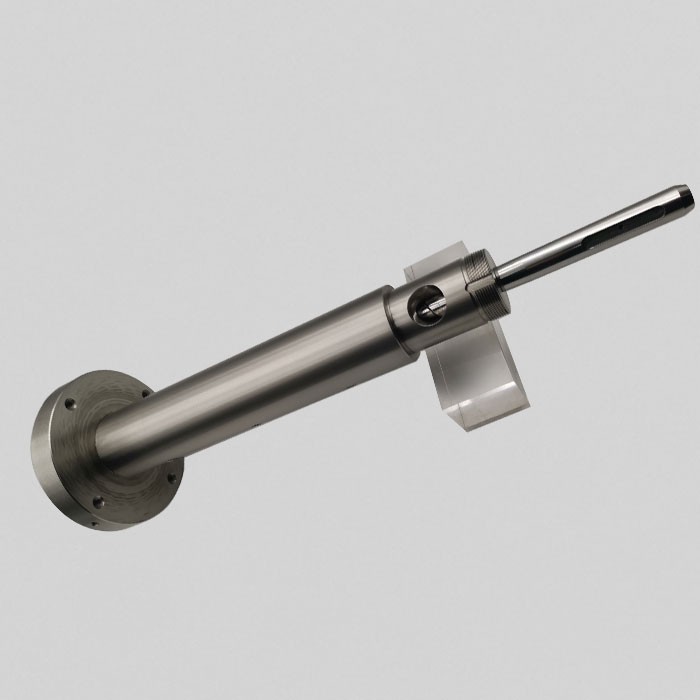
In addition to compressing the material, the compression section also plays a role in melting and mixing the raw material. As the material is compressed, it is subjected to high shear forces, which generate heat and help to melt the material. The shear forces also promote mixing, ensuring that the material is homogeneous before it enters the metering section.
Impact on the Extrusion Process
The compression section has a significant impact on the extrusion process in several ways. First, it affects the melting and mixing of the raw material. A well-designed compression section can ensure that the material is fully melted and homogeneously mixed, resulting in a high-quality final product. On the other hand, a poorly designed compression section can lead to incomplete melting, uneven mixing, and the presence of unmelted particles in the final product.
Second, the compression section affects the pressure and flow rate of the molten material. By compressing the material, the compression section increases the pressure, which is necessary to force the material through the die. The pressure also affects the flow rate of the material, which is critical for maintaining a consistent output. A stable pressure and flow rate are essential for ensuring the quality and dimensional accuracy of the final product.
Third, the compression section affects the energy consumption of the extruder. A higher compression ratio generally requires more energy to drive the screw, as it has to overcome the increased resistance of the compressed material. Therefore, it is important to optimize the compression ratio to achieve a balance between the degree of compression and the energy consumption.
Importance of the Barrel in the Compression Section
As a supplier of barrels in extruders, I understand the importance of the barrel in the compression section. The barrel provides the housing for the screw and the material, and it plays a crucial role in maintaining the temperature and pressure of the extrusion process.
The barrel is typically made of high-strength steel or alloy, which can withstand the high pressures and temperatures generated during the extrusion process. It is also lined with a wear-resistant material, such as Extruder Sintered Hard Alloy Barrel, to protect it from the abrasive action of the material.
The temperature of the barrel is carefully controlled to ensure that the material is melted and processed at the optimal temperature. Extruder Barrel Temperature Control is essential for preventing the material from overheating or underheating, which can affect the quality of the final product.
Optimizing the Compression Section
To optimize the performance of the compression section, several factors need to be considered. First, the design of the screw and the barrel should be carefully selected to match the properties of the raw material and the requirements of the extrusion process. The compression ratio, screw pitch, and channel depth should be optimized to achieve the desired degree of compression, melting, and mixing.
Second, the temperature and pressure of the extrusion process should be carefully controlled. The temperature of the barrel and the screw should be adjusted to ensure that the material is melted and processed at the optimal temperature. The pressure should be maintained at a stable level to ensure a consistent output.
Third, the quality of the raw material should be carefully monitored. The material should be free from contaminants and have a consistent particle size and moisture content. Any variations in the material properties can affect the performance of the compression section and the quality of the final product.
Conclusion
In conclusion, the compression section is a critical part of the extruder, which plays a pivotal role in determining the quality and efficiency of the extrusion process. By compressing the raw material, the compression section increases its density and pressure, promotes melting and mixing, and ensures a consistent output. As a supplier of Barrel in Extruder, I understand the importance of providing high-quality barrels that can withstand the high pressures and temperatures of the extrusion process.
If you are looking for a reliable supplier of barrels in extruders, please feel free to contact us for more information. We have a team of experienced engineers and technicians who can help you select the right barrel for your extrusion process and provide you with professional advice and support.
References
- Rauwendaal, C. (2014). Polymer Extrusion. Hanser Publishers.
- Tadmor, Z., & Gogos, C. G. (2006). Principles of Polymer Processing. Wiley-Interscience.
- White, J. L., & Potente, H. (2003). Handbook of Polymer Extrusion Technology. John Wiley & Sons.