

Hey there! As a supplier of injection molding barrels, I often get asked about different components of these barrels. One of the most frequently asked questions is, "What is the screw tip in an injection molding barrel?" Well, let's dive right in and explore this crucial part of the injection molding process.
What is a Screw Tip?
A screw tip is a small but mighty component located at the end of the screw inside an injection molding barrel. It plays a pivotal role in controlling the flow of molten plastic during the injection molding process. Think of it as the gatekeeper of the plastic material, deciding when and how much plastic should enter the mold cavity.
The screw tip is designed to ensure that the plastic is properly metered, mixed, and injected into the mold. It helps prevent backflow of the molten plastic, which could lead to inconsistent part quality, flashing, or other defects. In simple terms, a good screw tip is essential for producing high - quality injection - molded parts.
Types of Screw Tips
There are several types of screw tips available, each with its own unique features and applications.

Ball Check Valve Screw Tips
Ball check valve screw tips are one of the most common types. They use a ball and seat mechanism to control the flow of plastic. When the screw rotates and moves forward to inject the plastic, the ball is pushed forward, allowing the plastic to flow through the tip and into the mold. When the screw retracts to refill with plastic, the ball moves back against the seat, preventing the plastic from flowing back into the barrel. These tips are great for general - purpose injection molding and are relatively easy to maintain.
Ring Check Valve Screw Tips
Ring check valve screw tips use a ring instead of a ball. The ring slides back and forth along the screw to control the flow of plastic. They offer better sealing than ball check valve tips in some cases, especially for high - viscosity plastics. Ring check valve tips are often used in applications where precise control of the plastic flow is required.
Needle Valve Screw Tips
Needle valve screw tips are more complex and are typically used for more demanding applications. They use a needle that moves in and out of a nozzle to control the flow of plastic. This type of tip provides very precise control over the injection process and is often used for molding small, intricate parts or parts with high cosmetic requirements.
Importance of Choosing the Right Screw Tip
Choosing the right screw tip is crucial for the success of your injection molding operation. Here's why:
Part Quality
The right screw tip ensures that the plastic is injected into the mold evenly and consistently. This leads to parts with uniform wall thickness, fewer defects, and better overall quality. For example, if you're molding a small, detailed part, a needle valve screw tip might be the best choice to ensure precise filling of the mold cavity.
Production Efficiency
A proper screw tip can also improve production efficiency. It helps reduce cycle times by allowing for faster injection and refill of the plastic. This means you can produce more parts in less time, increasing your overall output and profitability.
Material Compatibility
Different plastics have different viscosities and flow characteristics. The right screw tip is designed to work well with the specific plastic you're using. For instance, high - viscosity plastics might require a ring check valve screw tip for better flow control, while low - viscosity plastics could work fine with a ball check valve tip.
Our Injection Molding Barrels and Screw Tips
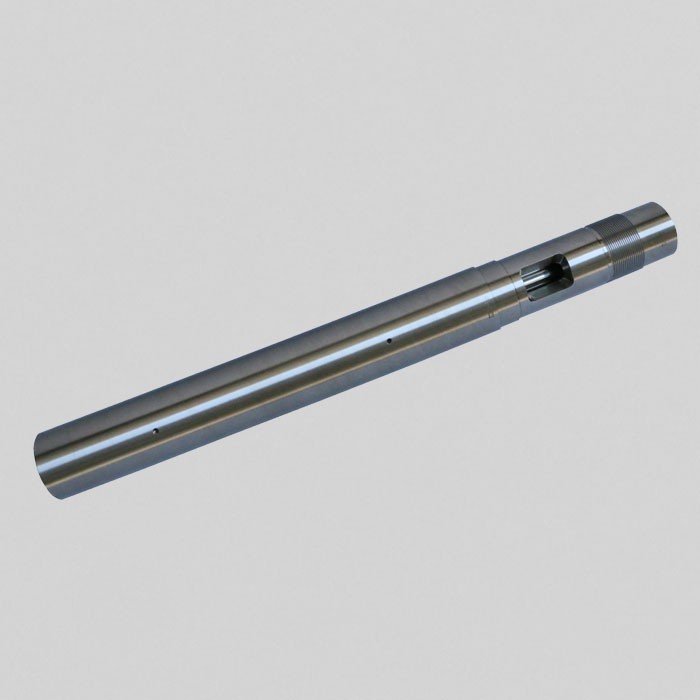
As a supplier of injection molding barrels, we offer a wide range of barrels that are compatible with different types of screw tips. We have Nitrided Steel Barrel for Injection Molding Machine, which are known for their excellent wear resistance and durability. These barrels can work well with various screw tips, providing a reliable solution for your injection molding needs.
Our Bimetallic Barrel for Injection Molding Machine is another great option. The bimetallic construction combines the strength of a steel outer layer with the corrosion and wear resistance of an inner layer. This makes it suitable for molding a variety of plastics and is often paired with high - performance screw tips.
If you're looking for a barrel with even higher wear resistance, our Sintered Hard Alloy Barrel for Injection Molding Machine is the way to go. These barrels are made from sintered hard alloy materials, which can withstand the most abrasive plastics and high - pressure injection molding processes.
How to Select the Right Screw Tip for Your Barrel
Selecting the right screw tip for your injection molding barrel depends on several factors:
Plastic Material
As mentioned earlier, the type of plastic you're using is a key factor. Consider the viscosity, melting point, and chemical properties of the plastic. For example, if you're molding PVC, which can be corrosive, you might need a screw tip made from a corrosion - resistant material.
Part Design
The design of the part you're molding also matters. Small, complex parts might require a more precise screw tip, such as a needle valve tip. Larger, simpler parts can often be molded with a more basic ball or ring check valve tip.
Production Volume
If you're producing a high volume of parts, you'll want a screw tip that is durable and can withstand continuous use. A well - made ring check valve tip might be a good choice for high - volume production.
Conclusion
In conclusion, the screw tip is a vital component of an injection molding barrel. It controls the flow of plastic, affects part quality, and can impact production efficiency. As a supplier, we understand the importance of providing the right combination of barrels and screw tips for your specific needs. Whether you're new to injection molding or an experienced pro, we're here to help you choose the best solutions for your operation.
If you're interested in learning more about our injection molding barrels and screw tips, or if you're ready to start a procurement discussion, don't hesitate to reach out. We're eager to work with you and help you achieve the best results in your injection molding projects.
References
- "Injection Molding Handbook" by O. Olszewski
- "Plastics Processing Technology" by A. A. Collyer and D. I. Clegg