

Hey there! As a supplier of barrels in injection moulding, I've seen firsthand how crucial every component is in the injection moulding process. Today, I want to dive into the role of the barrel's venting system in injection moulding.
First off, let's understand what injection moulding is all about. It's a manufacturing process used to produce parts by injecting molten material into a mould. The barrel in injection moulding Barrel in Injection Moulding is like the heart of the injection unit. It houses the screw that moves the plastic material forward, melts it, and then injects it into the mould. But what about the venting system?
The venting system in the barrel plays a super important role. One of the main functions is to remove gases. When plastic materials are heated in the barrel, they can release various gases. These gases can come from moisture in the plastic, decomposition products, or air trapped in the resin pellets. If these gases aren't removed, they can cause a whole bunch of problems.
For instance, gas bubbles can form in the final product. These bubbles can weaken the part, affect its appearance, and even lead to dimensional inaccuracies. Imagine you're making a high - precision plastic part for a medical device. Gas bubbles could compromise the functionality of the device. The venting system allows these gases to escape from the barrel before they can cause any damage to the moulded part.
Another key role is to prevent back - pressure build - up. As the plastic is being melted and pushed forward by the screw, pressure builds up inside the barrel. Without a proper venting system, this pressure can get too high. Excessive back - pressure can lead to overheating of the plastic, which can cause degradation. Degraded plastic has poor mechanical properties and can result in sub - standard products. The venting system helps to relieve this pressure by allowing the gases to exit, maintaining a stable pressure inside the barrel.
Now, let's talk about different types of venting systems. There are two main types: single - stage and multi - stage venting systems. A single - stage venting system is relatively simple. It has one vent port in the barrel. This type is suitable for less demanding applications where the amount of gas generation is relatively low. For example, when using clean, dry plastics with low moisture content.
On the other hand, multi - stage venting systems are more complex but offer better performance. They have multiple vent ports at different positions along the barrel. This allows for more efficient gas removal, especially when dealing with plastics that generate a large amount of gas. For instance, some engineering plastics or recycled plastics tend to produce more gases during the melting process. A multi - stage venting system can handle these situations more effectively.
As a supplier of barrels for injection moulding, we offer a range of barrels with different venting system configurations. Our Injection Machine Barrel is designed to meet the specific needs of our customers. Whether you're making small consumer products or large industrial parts, we have a solution for you.
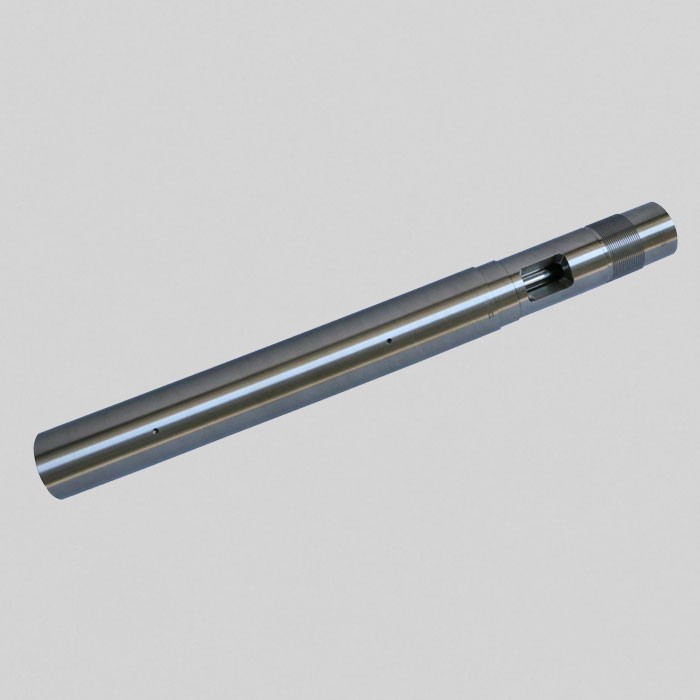
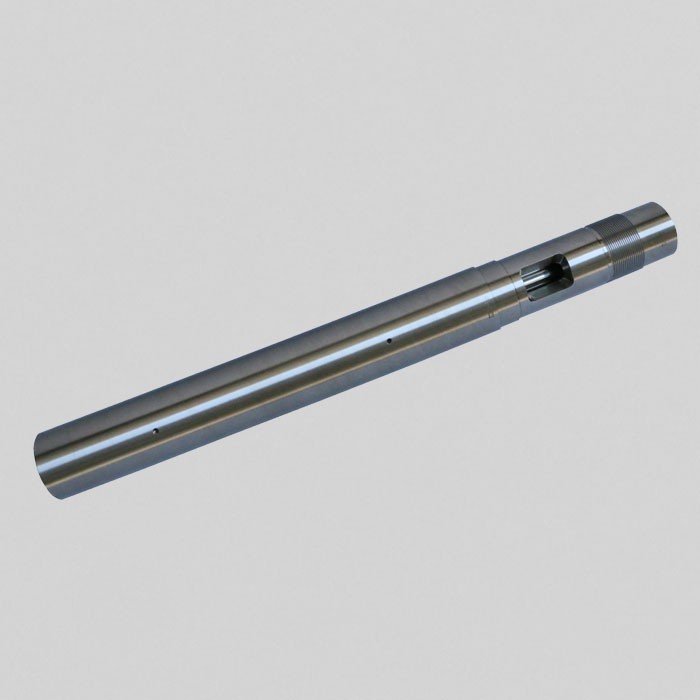
One of our popular products is the Sintered Hard Alloy Barrel for Injection Molding Machine. This barrel is made of high - quality sintered hard alloy, which offers excellent wear resistance. It's also equipped with a state - of - the - art venting system. The alloy material can withstand the high temperatures and pressures inside the barrel, while the venting system ensures efficient gas removal.
When choosing a barrel with a venting system, there are a few things you need to consider. First, the type of plastic you're using is crucial. Different plastics have different gas - generation characteristics. For example, polycarbonate is more prone to moisture absorption and can release more water vapour when heated. You'll need a more efficient venting system for such plastics.
Second, the production volume and speed matter. If you're running a high - volume production line, you need a venting system that can keep up with the fast - paced operation. A slow - acting venting system might not be able to remove gases quickly enough, leading to problems in the final products.
In addition, the size and shape of the moulded part also play a role. Larger parts generally require more plastic to be injected, which means more gas generation. Complex - shaped parts might also trap more air during the filling process, so a better venting system is needed.
We've worked with many customers over the years, and we've seen how a good venting system can make a huge difference in their production processes. One of our customers was struggling with high rejection rates due to gas bubbles in their plastic parts. After switching to our barrel with an advanced multi - stage venting system, their rejection rate dropped significantly. They were able to improve the quality of their products and increase their production efficiency.
In conclusion, the barrel's venting system is an essential component in injection moulding. It helps to ensure high - quality products by removing gases, preventing back - pressure build - up, and maintaining a stable production environment. If you're in the injection moulding business and are looking for a reliable barrel with an efficient venting system, we're here to help.
We understand that every customer has unique requirements. Whether you need a single - stage venting system for a simple application or a multi - stage system for a complex project, we can provide you with the right solution. Our team of experts can work with you to understand your needs and recommend the most suitable barrel for your injection moulding process.
If you're interested in learning more about our products or have any questions regarding the barrel's venting system in injection moulding, don't hesitate to reach out. We're always happy to have a chat and help you find the best solution for your business. Let's work together to improve your injection moulding process and produce top - notch plastic parts.
References
- "Injection Molding Handbook" by O. Osswald and T. Turng
- "Plastics Processing: Modeling and Simulation" by A. Michaeli