

Hey there! As a supplier of barrel screw extruders, I've gotten tons of questions about screw material selection. It's a super crucial part of the whole extrusion process, and getting it right can make a huge difference in your production. So, let's dig into what you need to consider when picking the right screw material for your barrel screw extruder.
Understanding the Basics of Barrel Screw Extruders
First off, let's quickly go over what a barrel screw extruder does. It's a machine that uses a rotating screw inside a barrel to push materials through a die, shaping them into the desired form. This process is used in a wide range of industries, from plastics manufacturing to food processing. The screw is the heart of the extruder, and its material can greatly affect the performance and lifespan of the machine.
Factors to Consider in Screw Material Selection
1. Wear Resistance
One of the most important factors is wear resistance. The screw is constantly in contact with the material being extruded, which can cause significant wear over time. If the screw material isn't wear-resistant enough, it'll need to be replaced frequently, leading to increased costs and downtime. For example, in the plastics industry, where abrasive fillers are often used, a highly wear-resistant material is essential.
Materials like tool steels are commonly used for their good wear resistance. They can withstand the constant friction and abrasion from the extruded materials. Another option is sintered hard alloys, which offer even higher wear resistance. You can check out Extruder Sintered Hard Alloy Barrel for more info on this type of material.
2. Corrosion Resistance
Depending on the material you're extruding, corrosion can also be a major issue. Some materials, like certain chemicals or food products, can be corrosive to the screw. If the screw material isn't corrosion-resistant, it can start to deteriorate, affecting the quality of the extruded product and potentially causing damage to the extruder.
Stainless steels are a popular choice for their corrosion resistance. They can handle a wide range of corrosive materials without significant degradation. However, for more extreme corrosion environments, special alloys may be required.
3. Heat Resistance
The extrusion process generates a lot of heat, and the screw needs to be able to withstand high temperatures without losing its strength or shape. If the screw material has poor heat resistance, it can deform under the heat, leading to inconsistent extrusion and reduced product quality.
High-temperature alloys are often used in applications where heat resistance is critical. These alloys can maintain their mechanical properties at elevated temperatures, ensuring smooth and efficient extrusion.
4. Cost
Of course, cost is always a consideration. Different screw materials come with different price tags, and you need to find a balance between performance and cost. While high-performance materials like sintered hard alloys offer excellent wear and heat resistance, they can be quite expensive. On the other hand, more common materials like tool steels are more affordable but may not offer the same level of performance in all applications.
Common Screw Materials
1. Tool Steels
Tool steels are a popular choice for screw materials due to their good combination of wear resistance, strength, and cost. They're relatively easy to machine, which makes them suitable for a wide range of extruder designs. Tool steels can handle most common extrusion materials, but they may not be the best choice for highly abrasive or corrosive applications.

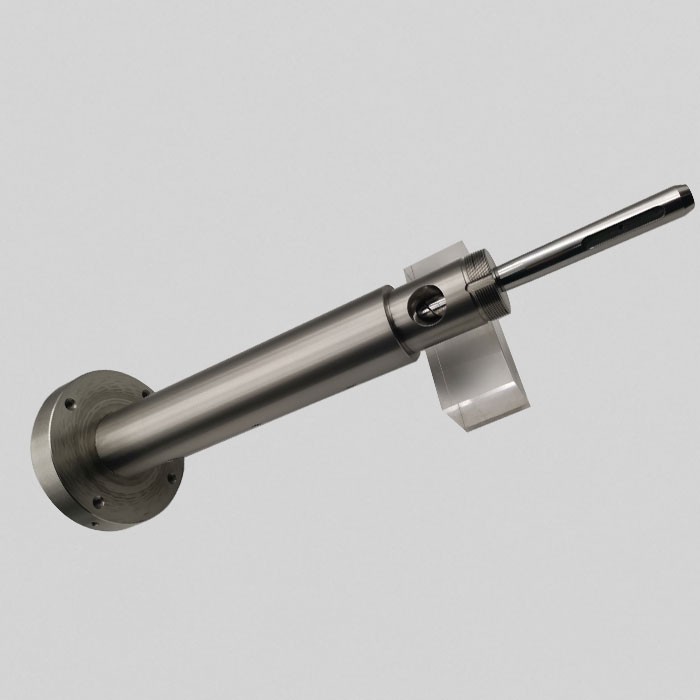
2. Stainless Steels
As mentioned earlier, stainless steels are known for their corrosion resistance. They're often used in applications where the extruded material is corrosive, such as in the chemical or food industries. Stainless steels also have good heat resistance, making them suitable for high-temperature extrusion processes.
3. Sintered Hard Alloys
Sintered hard alloys offer excellent wear and heat resistance. They're made by compacting and sintering metal powders, resulting in a material with a very high hardness and density. Sintered hard alloys are ideal for applications where extreme wear resistance is required, such as in the extrusion of filled plastics or abrasive materials. You can learn more about Extrusion Screw Barrel made with sintered hard alloys.
4. Bimetallic Screws
Bimetallic screws combine the advantages of different materials. They typically have a core made of a strong and ductile material, such as tool steel, and a surface layer made of a wear-resistant or corrosion-resistant material. This allows the screw to have good overall performance while reducing costs compared to using a solid high-performance material.
Making the Right Choice
So, how do you decide which screw material is right for your barrel screw extruder? Here are some steps to help you make an informed decision:
1. Analyze Your Extrusion Material
Start by understanding the properties of the material you'll be extruding. Is it abrasive, corrosive, or heat-sensitive? This will give you an idea of the key requirements for the screw material.
2. Consider Your Production Requirements
Think about your production volume, speed, and quality requirements. If you're running a high-volume production line, you'll need a screw material that can withstand the constant wear and tear. If you're producing high-quality products, you may need a more precise and durable screw material.
3. Evaluate Your Budget
As mentioned earlier, cost is an important factor. Determine how much you're willing to spend on the screw material and look for options that offer the best balance between performance and cost.
4. Consult with Experts
If you're still unsure, don't hesitate to consult with experts in the field. As a barrel screw extruder supplier, we have a lot of experience with different screw materials and can provide you with valuable advice based on your specific needs.
Conclusion
Choosing the right screw material for your barrel screw extruder is a critical decision that can have a big impact on your production. By considering factors like wear resistance, corrosion resistance, heat resistance, and cost, you can find the material that best suits your needs. Whether you're using tool steels, stainless steels, sintered hard alloys, or bimetallic screws, make sure to do your research and consult with experts to make an informed choice.
If you're interested in learning more about our barrel screw extruders or have any questions about screw material selection, feel free to reach out. We're here to help you find the perfect solution for your extrusion needs.
References
- "Plastics Extrusion Technology" by John F. Carley
- "Extrusion: The Definitive Processing Guide and Handbook" by Christopher Rauwendaal