

Hey there! As a supplier of barrels for extruders, I've been getting a lot of questions lately about how to measure the internal pressure distribution in the barrel of an extruder. It's a crucial aspect of the extrusion process, and getting it right can make a huge difference in the quality of your end product. So, I thought I'd share some insights on this topic.
First off, why is measuring the internal pressure distribution so important? Well, the pressure inside the extruder barrel affects everything from the flow rate of the material to its temperature and viscosity. If the pressure isn't evenly distributed, you might end up with issues like uneven melting, inconsistent product dimensions, or even damage to the extruder itself. By measuring the pressure distribution, you can identify any problem areas and make adjustments to ensure a smooth and efficient extrusion process.
There are several methods you can use to measure the internal pressure distribution in an extruder barrel. Let's take a look at some of the most common ones.
1. Pressure Sensors
One of the most straightforward ways to measure pressure is by using pressure sensors. These sensors can be installed at various points along the barrel to get a real - time reading of the pressure. There are different types of pressure sensors available, such as strain - gauge sensors and piezoelectric sensors.
Strain - gauge sensors work by measuring the deformation of a thin metal diaphragm due to pressure. When pressure is applied, the diaphragm bends, and this deformation is converted into an electrical signal that can be measured. They are relatively inexpensive and easy to install, making them a popular choice for many extruder applications.
Piezoelectric sensors, on the other hand, generate an electrical charge when subjected to pressure. They are more sensitive than strain - gauge sensors and can provide a faster response time. However, they are also more expensive and require more careful handling.
When installing pressure sensors, it's important to place them in strategic locations. For example, you might want to place sensors near the feed section, the compression section, and the metering section of the barrel. This will give you a comprehensive view of how the pressure changes as the material moves through the extruder. You can find more information about extruder barrels like Single Screw Extruder Screw Barrel which are often used in conjunction with these sensors.
2. Pressure Transducers
Pressure transducers are similar to pressure sensors, but they typically provide a more accurate and stable measurement. They convert the pressure into an electrical signal that can be easily integrated with control systems. This allows you to monitor the pressure in real - time and make adjustments as needed.
Some pressure transducers are designed to be flush - mounted on the barrel wall. This helps to minimize any interference with the flow of the material inside the barrel. They can also be calibrated to provide highly accurate readings over a wide range of pressures.
3. Pressure Mapping
Pressure mapping is a more advanced technique that involves using an array of pressure sensors to create a detailed map of the pressure distribution inside the barrel. This can be particularly useful for understanding complex flow patterns and identifying areas of high or low pressure.

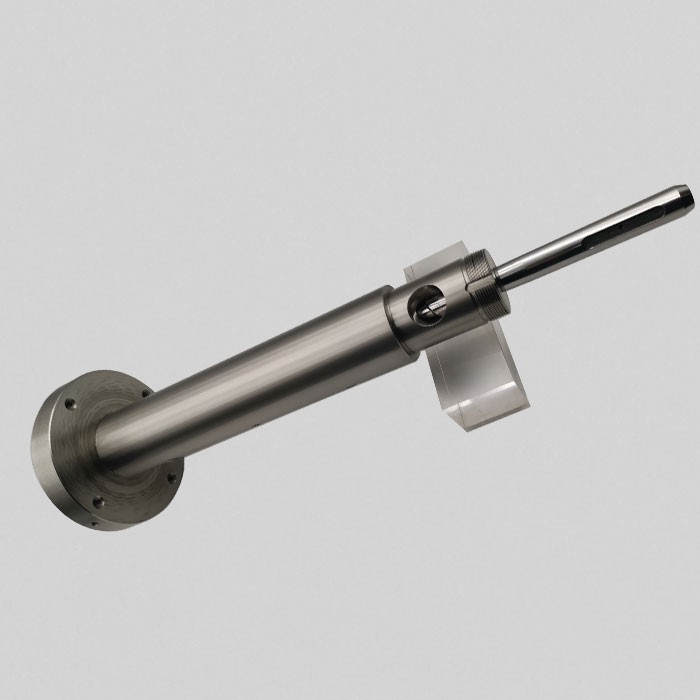
To perform pressure mapping, you'll need to install multiple sensors at different locations and orientations within the barrel. The data from these sensors is then collected and analyzed using specialized software. This software can generate a visual representation of the pressure distribution, which makes it easier to spot any anomalies.
4. Computational Fluid Dynamics (CFD)
CFD is a simulation technique that can be used to predict the pressure distribution inside an extruder barrel. It involves creating a mathematical model of the extrusion process and using computer algorithms to solve the equations governing fluid flow and heat transfer.
While CFD doesn't provide real - time measurements, it can be a valuable tool for understanding the underlying physics of the extrusion process. You can use CFD to test different barrel designs, screw geometries, and operating conditions to optimize the pressure distribution and improve the overall performance of the extruder.
Factors Affecting Pressure Distribution
There are several factors that can affect the internal pressure distribution in an extruder barrel. Understanding these factors can help you make more informed decisions when it comes to measuring and controlling the pressure.
Screw Design
The design of the screw plays a crucial role in determining the pressure distribution. Different screw geometries, such as the pitch, flight depth, and compression ratio, can have a significant impact on how the material is conveyed and compressed inside the barrel. For example, a screw with a high compression ratio will generate higher pressures in the compression section.
Material Properties
The properties of the material being extruded, such as its viscosity, density, and melting point, also affect the pressure distribution. Materials with higher viscosities require more pressure to flow through the barrel, while materials with lower melting points may experience more significant changes in pressure as they melt.
Barrel Temperature
The temperature of the barrel can have a big impact on the pressure distribution. If the barrel is too hot, the material may become too fluid, resulting in lower pressures. On the other hand, if the barrel is too cold, the material may not melt properly, leading to higher pressures and potential blockages. You can learn more about Extruder Barrel Temperature Control to manage this aspect effectively.
Feed Rate
The rate at which the material is fed into the extruder also affects the pressure distribution. A higher feed rate will generally result in higher pressures inside the barrel, as more material needs to be conveyed and processed.
Tips for Accurate Pressure Measurement
Here are some tips to ensure accurate pressure measurement in your extruder barrel:
- Calibration: Regularly calibrate your pressure sensors and transducers to ensure accurate readings. Over time, these devices can drift, leading to inaccurate measurements.
- Proper Installation: Make sure the sensors and transducers are installed correctly. Any misalignment or improper sealing can affect the accuracy of the measurements.
- Data Analysis: Analyze the pressure data regularly to identify any trends or anomalies. This can help you detect potential problems early and take corrective action.
Conclusion
Measuring the internal pressure distribution in the barrel of an extruder is a critical step in ensuring a successful extrusion process. By using the right measurement techniques and understanding the factors that affect pressure distribution, you can optimize the performance of your extruder and produce high - quality products.
As a supplier of Extrusion Barrel, we're here to help you with all your extruder barrel needs. Whether you're looking for advice on pressure measurement or need a new barrel for your extruder, don't hesitate to get in touch. We can work with you to find the best solutions for your specific requirements. Contact us today to start a discussion about your procurement needs and see how we can help you improve your extrusion process.
References
- "Extrusion of Polymers: Theory and Practice" by Manfred G. Menges
- "Handbook of Plastic Extrusion Technology" by Christopher Rauwendaal