

What is the screw design in an injection molding barrel?
As a seasoned supplier of injection molding barrels, I've witnessed firsthand the pivotal role that screw design plays in the injection molding process. The screw within an injection molding barrel is not just a simple component; it's the heart of the system, responsible for conveying, melting, mixing, and injecting plastic materials into the mold cavity. In this blog, I'll delve into the intricacies of screw design in an injection molding barrel, exploring its functions, types, and key considerations.
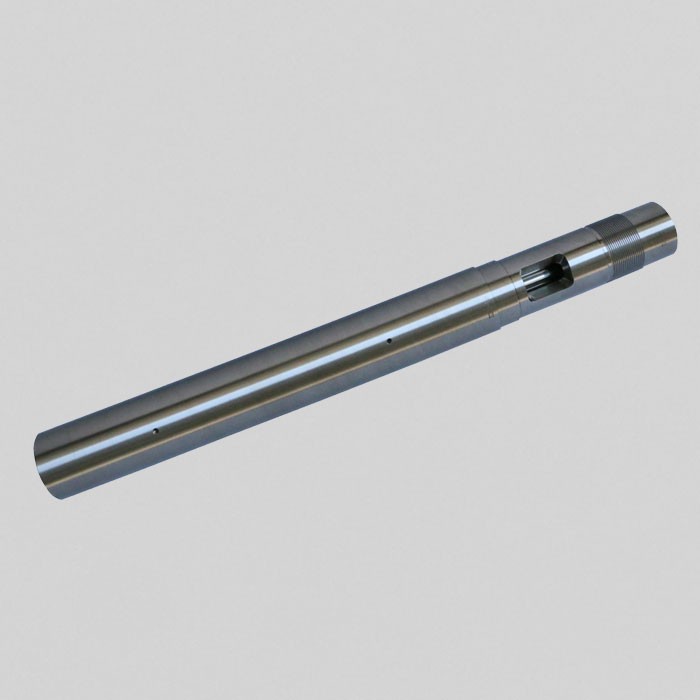
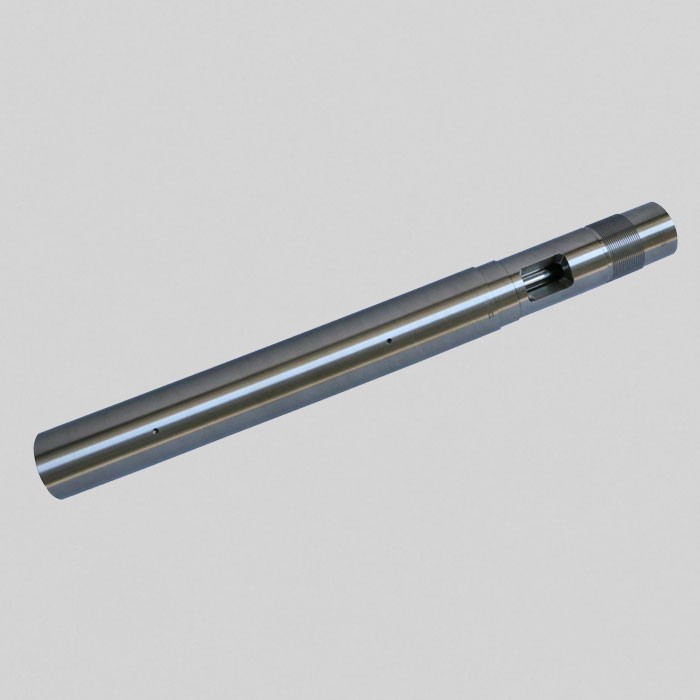
Functions of the Screw in an Injection Molding Barrel
The screw in an injection molding barrel performs several crucial functions throughout the injection molding cycle. Firstly, it acts as a conveyor, transporting plastic pellets or granules from the hopper into the barrel. As the screw rotates, it pushes the plastic material forward along the barrel's length, applying pressure and friction to initiate the melting process.
Once the plastic reaches the heating zones of the barrel, the screw's design helps to melt and homogenize the material. The screw's flights (the helical ridges on its surface) create a shearing action, breaking down the plastic particles and promoting heat transfer from the barrel walls. This shearing action also helps to disperse any additives or colorants evenly throughout the molten plastic, ensuring consistent quality in the final molded parts.
During the injection phase, the screw acts as a piston, pushing the molten plastic through the nozzle and into the mold cavity under high pressure. The screw's design determines the injection speed, pressure, and volume, which are critical factors in achieving accurate and consistent part dimensions. After the injection is complete, the screw retracts to its original position, ready to repeat the process for the next molding cycle.
Types of Screw Designs
There are several types of screw designs commonly used in injection molding barrels, each tailored to specific applications and plastic materials. The most common types include:
-
General-Purpose Screws: These screws are designed to handle a wide range of plastic materials and applications. They typically have a constant pitch (the distance between adjacent flights) and a relatively shallow flight depth, providing a good balance between conveying, melting, and mixing capabilities. General-purpose screws are suitable for most standard injection molding processes and are often used in the production of consumer goods, automotive parts, and packaging.
-
Barrier Screws: Barrier screws are specifically designed to improve the melting and mixing efficiency of high-viscosity plastics, such as polycarbonate and polyethylene. These screws feature a secondary flight (the barrier flight) that separates the solid and molten plastic phases within the barrel. The barrier flight creates a pressure differential, forcing the solid plastic to melt more quickly and promoting better mixing of the molten plastic. Barrier screws are commonly used in applications where high-quality parts with excellent surface finish are required.
-
Mixing Screws: Mixing screws are designed to enhance the dispersion of additives, colorants, and fillers in the molten plastic. These screws typically have special mixing elements, such as pins, tabs, or grooves, along their length. These mixing elements create additional shearing and turbulence, ensuring that the additives are evenly distributed throughout the plastic material. Mixing screws are commonly used in the production of colored or filled plastic parts, where consistent color and additive dispersion are essential.
-
Venturi Screws: Venturi screws are used in applications where degassing or venting of the plastic material is required. These screws feature a venturi section (a narrow passage) in the middle of the barrel, which creates a low-pressure zone. This low-pressure zone allows any trapped air, moisture, or volatile gases to escape from the plastic material before it is injected into the mold cavity. Venturi screws are commonly used in the production of high-quality, void-free plastic parts, such as optical lenses and medical devices.
Key Considerations in Screw Design
When designing a screw for an injection molding barrel, several key factors need to be considered to ensure optimal performance and efficiency. These factors include:
-
Plastic Material Properties: The type of plastic material being processed is one of the most important factors in screw design. Different plastics have different melting points, viscosities, and flow characteristics, which require specific screw designs to achieve optimal processing conditions. For example, high-viscosity plastics may require a screw with a deeper flight depth and a higher compression ratio to ensure proper melting and mixing, while low-viscosity plastics may require a shallower flight depth and a lower compression ratio to prevent excessive shear heating.
-
Molding Machine Specifications: The specifications of the injection molding machine, such as the barrel diameter, screw length, and injection pressure, also play a crucial role in screw design. The screw's diameter and length should be selected to match the barrel's dimensions and the required shot size (the volume of plastic injected per cycle). The screw's design should also be compatible with the machine's injection system, including the nozzle, check valve, and hydraulic system.
-
Part Design and Requirements: The design and requirements of the molded parts also influence the screw design. Parts with complex geometries, thin walls, or high precision requirements may require a screw with a specific design to ensure proper filling and packing of the mold cavity. For example, parts with thin walls may require a screw with a high injection speed and pressure, while parts with large surface areas may require a screw with a good mixing capability to ensure consistent quality.
-
Production Volume and Cycle Time: The production volume and cycle time are important considerations in screw design, especially for high-volume production applications. A screw with a high throughput rate (the amount of plastic processed per unit time) can help to reduce cycle times and increase productivity. However, a high throughput rate may also require a larger screw diameter and a more powerful injection system, which can increase the cost of the molding machine.
Our Products and Services
As a leading supplier of injection molding barrels, we offer a wide range of screw designs to meet the diverse needs of our customers. Our screws are manufactured using high-quality materials and advanced manufacturing processes to ensure superior performance, durability, and reliability. We also offer custom screw design services, allowing us to tailor our screws to specific applications and customer requirements.
In addition to our screw products, we also provide a comprehensive range of injection molding barrel solutions, including Nitrided Steel Barrel for Injection Molding Machine, Barrel in Injection Moulding, and Bimetallic Barrel for Injection Molding Machine. Our barrels are designed to provide excellent heat transfer, wear resistance, and corrosion resistance, ensuring long service life and consistent performance in even the most demanding injection molding applications.
If you're looking for high-quality injection molding barrels and screws, or if you have any questions or requirements regarding screw design, please don't hesitate to contact us. Our team of experienced engineers and sales professionals will be happy to assist you in selecting the right products for your application and providing you with the best possible service and support.
References
- "Injection Molding Handbook" by O. Brammertz
- "Plastics Processing: Modeling and Simulation" by R. A. Pearson
- "Screw Design for Injection Molding" by R. A. Malloy