

Hey there! As a supplier of extruder screw barrels, I've been in the game for quite some time. And one question that often pops up is, "What is the relationship between the back pressure and the extruder screw barrel?" Well, let's dive right in and break it down.
First off, let's talk about what back pressure is. In simple terms, back pressure is the resistance that the molten plastic encounters as it moves through the extruder. It's like pushing a ball through a narrow tube - the narrower the tube, the more resistance you'll feel. In an extruder, this resistance is crucial because it affects the quality of the final product.
Now, how does the extruder screw barrel come into play? The screw barrel is the heart of the extruder. It's where the magic happens - where the plastic is melted, mixed, and pushed forward. The design and condition of the screw barrel can have a huge impact on the back pressure.
Let's start with the screw. The screw in an extruder has different zones - a feeding zone, a compression zone, and a metering zone. The feeding zone is where the plastic pellets are introduced into the barrel. The compression zone is where the pellets are compressed and melted. And the metering zone is where the molten plastic is pushed out at a consistent rate.
The pitch of the screw, which is the distance between the threads, can affect the back pressure. A screw with a smaller pitch will create more compression, which in turn increases the back pressure. On the other hand, a screw with a larger pitch will have less compression and lower back pressure.
The depth of the screw flights also plays a role. Deeper flights can hold more plastic, which can lead to higher back pressure as the plastic is compressed more. Shallow flights, on the other hand, will result in lower back pressure.
Now, let's talk about the barrel. The barrel is the housing that surrounds the screw. It needs to be able to withstand high temperatures and pressures. The inner surface of the barrel can be made of different materials, such as nitrided steel or sintered hard alloy.
Nitrided steel barrels are known for their good wear resistance and corrosion resistance. They can help maintain a consistent back pressure because they provide a smooth surface for the plastic to flow through. The nitriding process hardens the surface of the steel, which reduces friction and wear.
Sintered hard alloy barrels, on the other hand, are even more wear-resistant. They are often used for processing abrasive plastics. The hard alloy lining provides a very smooth and hard surface, which can also help in maintaining a stable back pressure.
The clearance between the screw and the barrel is another important factor. If the clearance is too large, there will be a lot of leakage of the molten plastic, which can result in lower back pressure. If the clearance is too small, it can cause excessive wear on the screw and the barrel, and may also lead to high back pressure and overheating.
The length of the barrel also affects the back pressure. A longer barrel allows for more time for the plastic to be melted and mixed, which can result in higher back pressure. A shorter barrel, on the other hand, will have less time for these processes and may have lower back pressure.
So, why is back pressure so important? Well, proper back pressure is essential for achieving a high-quality extruded product. It helps in ensuring that the plastic is well-mixed, which results in a more uniform product. It also helps in controlling the output rate and the density of the extruded plastic.
If the back pressure is too low, the plastic may not be fully melted or mixed, which can lead to defects in the final product, such as voids or uneven color. On the other hand, if the back pressure is too high, it can cause excessive stress on the screw and the barrel, leading to premature wear and tear. It can also cause overheating of the plastic, which can degrade its properties.
As a supplier of extrusion barrels, I always recommend working closely with your customers to understand their specific requirements. Different applications may require different levels of back pressure. For example, in the production of thin films, a lower back pressure may be preferred to avoid stretching the film too much. In the production of thick pipes, a higher back pressure may be needed to ensure proper compaction of the plastic.

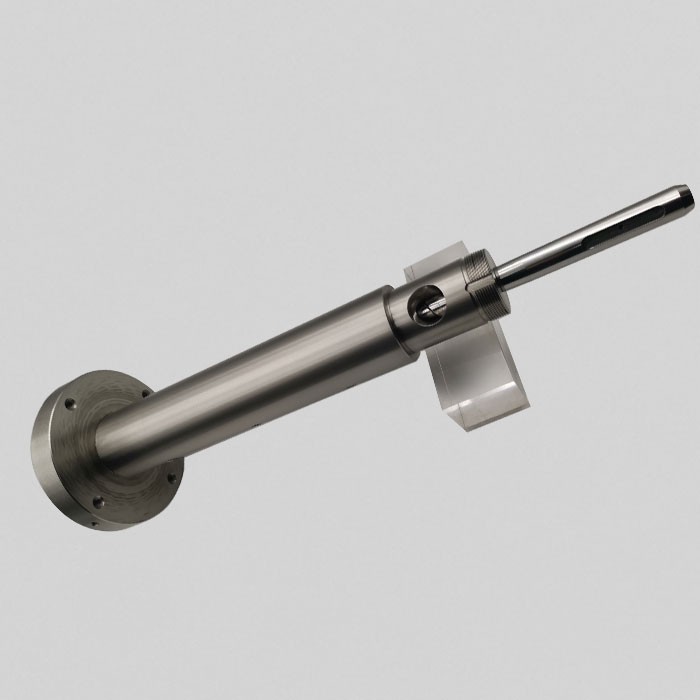
We can customize the screw and barrel design based on the type of plastic being processed, the desired output rate, and the required back pressure. For example, if you're processing a very viscous plastic, we may recommend a screw with a larger pitch and shallower flights to reduce the back pressure. If you're processing a high-temperature plastic, we may suggest a barrel made of a more heat-resistant material.
In conclusion, the relationship between back pressure and the extruder screw barrel is a complex but crucial one. The design and condition of the screw and the barrel can significantly affect the back pressure, which in turn affects the quality of the extruded product. As a supplier, we're here to help you optimize this relationship to get the best results for your application.
If you're in the market for an extruder screw barrel or have any questions about back pressure and its relationship with the screw barrel, don't hesitate to reach out. We'd be more than happy to have a chat and see how we can assist you in your procurement process.
References
- "Extrusion of Polymers: Theory and Practice" by J. L. White and K. P. Potente
- "Handbook of Plastic Materials and Technology" edited by Irvin I. Rubin