

As a supplier of PTA welding screws, I often encounter inquiries from customers regarding the lifespan of these essential components. Understanding the factors that influence the lifespan of PTA welding screws is crucial for both manufacturers and end - users. This blog aims to delve into the intricacies of their lifespan, providing valuable insights for those in the industry.
Understanding PTA Welding Screws
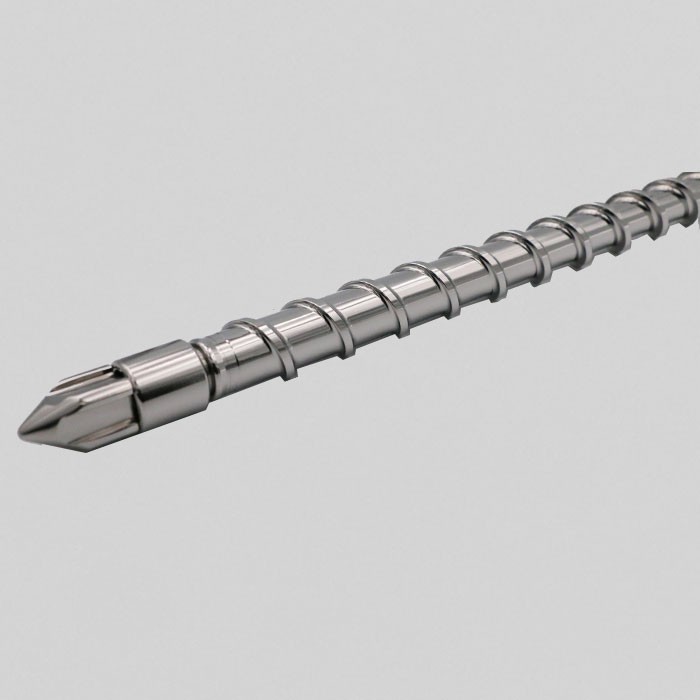
Plasma Transferred Arc (PTA) welding is a process that creates a high - energy plasma arc to deposit a wear - resistant alloy onto the surface of a screw. This process enhances the screw's performance in various demanding applications, such as injection molding and extrusion. PTA welding screws are widely used in industries where high wear, corrosion, and heat resistance are required.
Factors Affecting the Lifespan of PTA Welding Screws
1. Material Quality
The base material of the screw and the alloy used in the PTA welding process play a significant role in determining its lifespan. High - quality base materials with good mechanical properties can withstand the stresses and strains during operation. For example, steels with high chromium and molybdenum content offer better resistance to wear and corrosion. The alloy applied through PTA welding should also be carefully selected based on the specific application. Some alloys are more suitable for high - temperature environments, while others are better for abrasive materials. Our [Fully Hardened Alloy Screw for Injection Molding Machine](/screw/injection - molding - screw/fully - hardened - alloy - screw - for - injection.html) is made from top - notch materials, ensuring a longer lifespan compared to standard screws.
2. Operating Conditions
The environment in which the PTA welding screw operates has a profound impact on its lifespan. In injection molding, factors such as the type of plastic resin, the injection pressure, and the temperature can all affect the screw's durability. For instance, processing abrasive plastics like fiberglass - reinforced polymers can cause significant wear on the screw surface. High injection pressures and temperatures can also lead to thermal fatigue and mechanical stress, reducing the screw's lifespan. In extrusion applications, the speed of extrusion and the nature of the extruded material are critical factors. Screws used in continuous high - speed extrusion processes are more likely to experience premature wear.
3. Maintenance and Lubrication
Proper maintenance is essential for extending the lifespan of PTA welding screws. Regular cleaning of the screw to remove any residual plastic or debris can prevent the build - up of contaminants that can cause abrasion. Lubrication is also crucial, especially in applications where the screw is in contact with moving parts. Using the right lubricant can reduce friction and wear, thereby increasing the screw's lifespan. However, it is important to use a lubricant that is compatible with the materials involved to avoid any chemical reactions that could damage the screw.
4. Design and Manufacturing Quality
The design of the PTA welding screw, including its geometry and thread profile, can affect its performance and lifespan. A well - designed screw ensures efficient material flow and reduces stress concentrations. The manufacturing process also plays a vital role. Precision machining and accurate PTA welding ensure that the screw has a uniform and high - quality coating. Any defects in the manufacturing process, such as uneven coating thickness or poor adhesion, can significantly reduce the screw's lifespan. Our [HVOF Coating Screw](/screw/injection - molding - screw/hvof - coating - screw.html) and [Pvd Coating Screw](/screw/injection - molding - screw/pvd - coating - screw.html) are manufactured with strict quality control measures to ensure optimal performance and longevity.

Estimating the Lifespan
It is difficult to provide an exact lifespan for PTA welding screws as it varies widely depending on the factors mentioned above. In general, under normal operating conditions and with proper maintenance, a well - made PTA welding screw can last anywhere from several months to a few years. For example, in a medium - duty injection molding application with standard plastic resins, a PTA welding screw may last around 1 - 2 years. However, in a high - wear application such as processing abrasive materials at high speeds, the lifespan could be reduced to a few months.
Extending the Lifespan of PTA Welding Screws
1. Regular Inspections
Conducting regular inspections of the PTA welding screw can help detect any signs of wear or damage early. Visual inspections can reveal surface wear, cracks, or other defects. Non - destructive testing methods, such as ultrasonic testing, can be used to detect internal defects. By identifying problems early, corrective actions can be taken to prevent further damage and extend the screw's lifespan.
2. Optimal Operating Parameters
Operating the equipment within the recommended parameters can significantly extend the lifespan of the PTA welding screw. This includes maintaining the correct injection pressure, temperature, and speed. Avoiding overloading the screw and using the appropriate plastic resins for the screw's design can also help reduce wear and tear.
3. Proper Replacement
When a PTA welding screw reaches the end of its useful life, it is important to replace it promptly. Continuing to use a worn - out screw can lead to poor product quality, increased energy consumption, and potential damage to other components of the equipment.
Conclusion
The lifespan of PTA welding screws is influenced by a multitude of factors, including material quality, operating conditions, maintenance, and design. As a supplier, we are committed to providing high - quality PTA welding screws that are designed to withstand the rigors of various applications. By understanding the factors that affect the lifespan and taking appropriate measures to extend it, manufacturers can ensure the efficient and cost - effective operation of their equipment.
If you are interested in purchasing PTA welding screws or have any questions regarding their lifespan and performance, please feel free to contact us for procurement discussions. We are here to provide you with the best solutions for your specific needs.
References
- "Handbook of Plasticizer Technology" - This book provides in - depth knowledge about plastic processing, which is relevant to understanding the operating conditions of PTA welding screws in injection molding.
- "Materials Science and Engineering: An Introduction" - Offers comprehensive information on materials used in manufacturing PTA welding screws and their properties.
- Industry reports on injection molding and extrusion equipment, which often contain data on the performance and lifespan of different types of screws.