

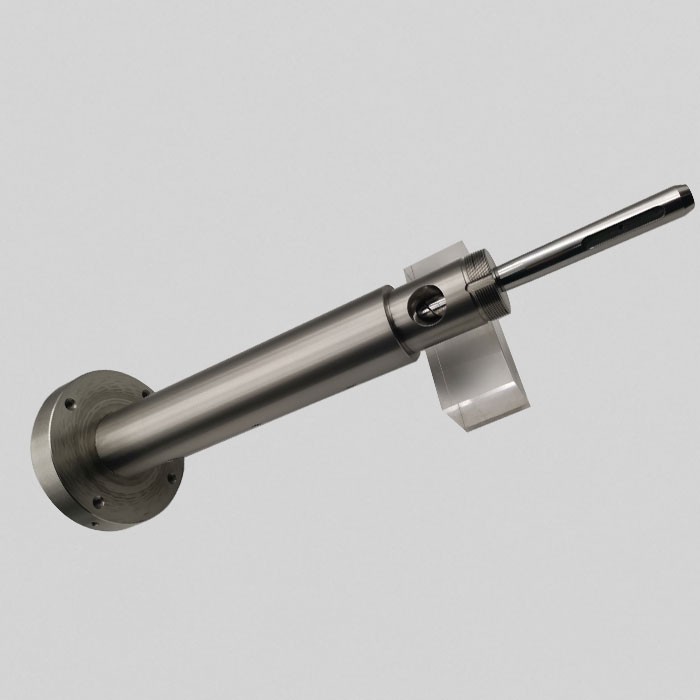
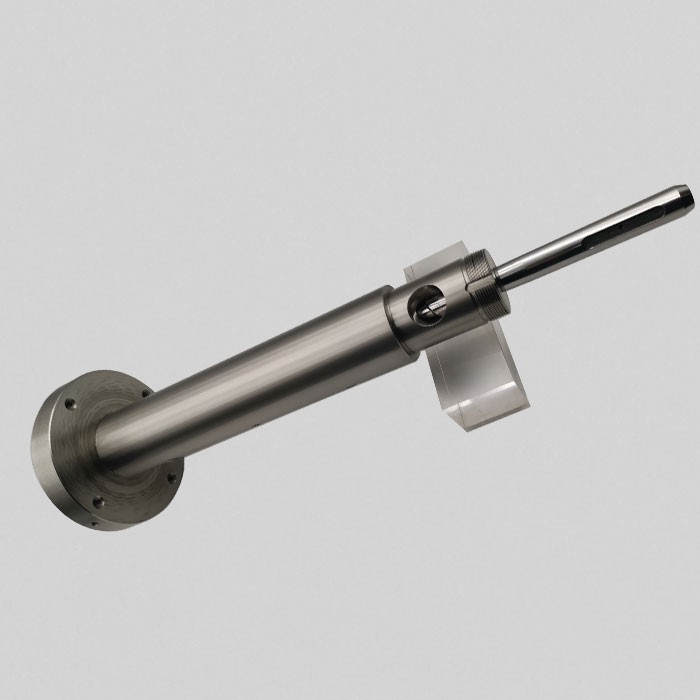
The barrel is a crucial component in an extruder, and its surface finish plays a vital role in the overall performance and efficiency of the extrusion process. As a leading supplier of barrels for extruders, I have witnessed firsthand the impact that a high - quality surface finish can have on the extrusion operation. In this blog, I will delve into the importance of the barrel's surface finish in an extruder.
1. Material Flow and Processing Consistency
The surface finish of the extruder barrel directly affects the flow of the material being processed. A smooth surface finish reduces friction between the barrel and the polymer or other materials passing through it. When the friction is low, the material can flow more freely, leading to a more consistent and uniform extrusion process.
For example, in the production of plastic products, a rough barrel surface can cause the plastic to stick or drag, resulting in uneven flow rates. This uneven flow can lead to variations in the thickness, density, and quality of the extruded product. On the contrary, a well - finished barrel surface allows the plastic to move smoothly along the barrel, ensuring that the final product has consistent physical properties. This is especially important in industries where precision and quality control are paramount, such as the medical device and automotive industries.
2. Wear Resistance and Longevity
The extrusion process subjects the barrel to significant wear and tear. The materials being extruded, along with the high pressures and temperatures involved, can cause abrasion and corrosion on the barrel surface. A proper surface finish can enhance the wear resistance of the barrel.
A smooth and hard - finished surface is less likely to be damaged by the abrasive particles in the material. For instance, when extruding filled polymers, which often contain glass fibers or other hard additives, a barrel with a high - quality surface finish can withstand the abrasion better than one with a rough finish. This means that the barrel will have a longer service life, reducing the frequency of barrel replacements and thus lowering the overall production costs. As a barrel supplier, we understand the importance of providing barrels with excellent wear - resistant surface finishes to meet the long - term needs of our customers.
3. Heat Transfer Efficiency
Efficient heat transfer is essential in the extrusion process. The barrel needs to transfer heat to the material to melt it and maintain the proper processing temperature. The surface finish of the barrel can significantly influence the heat transfer rate.
A smooth surface finish promotes better contact between the barrel and the material, which in turn enhances heat transfer. When the surface is rough, there are air gaps between the barrel and the material, which act as insulators and impede heat transfer. This can lead to uneven heating of the material, resulting in incomplete melting or overheating in some areas. By ensuring a smooth surface finish, we can improve the heat transfer efficiency, leading to more consistent melting and better - controlled extrusion processes.
4. Product Quality and Contamination Prevention
The surface finish of the barrel also has an impact on the quality of the final product and the prevention of contamination. A rough surface can trap small particles of the material, which can then break off and contaminate subsequent batches of the extruded product. This is particularly problematic in industries that require high - purity products, such as the food and pharmaceutical industries.
A smooth and polished barrel surface is easier to clean, reducing the risk of material buildup and contamination. It also ensures that the extruded product has a clean and uniform appearance, free from any visible defects or impurities. At our company, we take great care in providing barrels with surface finishes that meet the strictest quality and cleanliness standards.
5. Compatibility with Different Materials
Extruders are used to process a wide variety of materials, each with its own unique properties. The surface finish of the barrel can affect its compatibility with different materials.
Some materials, such as certain types of polymers or elastomers, may be more prone to sticking to a rough surface. By providing a smooth surface finish, we can improve the compatibility of the barrel with a broader range of materials. This gives our customers more flexibility in their extrusion operations, allowing them to process different materials without having to worry about issues such as material adhesion or poor flow.
Our Product Offerings
As a reliable supplier of barrels for extruders, we offer a diverse range of products to meet the various needs of our customers. Our Extrusion Screw Barrel is designed with high - precision machining and advanced surface treatment techniques to ensure excellent surface finish and performance.
We also provide Extruder Bimetallic Barrel, which combines the advantages of different metals to offer superior wear resistance and heat transfer properties. Our Single Screw Extruder Screw Barrel is specifically engineered for single - screw extruders, providing efficient and reliable extrusion performance.
Contact Us for Procurement
If you are in the market for high - quality extruder barrels, we invite you to contact us for procurement and further discussions. Our team of experts is ready to assist you in selecting the most suitable barrel for your specific extrusion requirements. We can provide detailed technical information, product samples, and competitive pricing. By choosing our barrels, you can be assured of getting products with excellent surface finishes that will enhance the performance and efficiency of your extrusion processes.
References
- Rauwendaal, C. (1994). Polymer Extrusion. Hanser Publishers.
- Tadmor, Z., & Gogos, C. G. (2006). Principles of Polymer Processing. Wiley - Interscience.
- Michaeli, W. (2003). Extrusion Dies for Plastics and Rubber: Design and Engineering Computations. Hanser Publishers.