

Hey there! As a supplier of barrel screw extruders, I often get asked about the different components and their functions. One part that many folks seem curious about is the breaker plate. So, let's dive into what the breaker plate does in a barrel screw extruder.
First off, let's have a quick overview of the barrel screw extruder itself. It's a key piece of equipment in the plastics and polymer processing industry. The basic idea is that it takes raw materials, like plastic pellets, and turns them into a continuous flow of molten material that can be shaped into various products. The screw inside the barrel rotates, pushing the material forward while also melting it through a combination of heat and mechanical shear.
Now, onto the breaker plate. Picture it as a crucial checkpoint in the extrusion process. It's a perforated plate that sits between the end of the screw and the die. The holes in the breaker plate can vary in size, number, and pattern, depending on the specific application.
One of the main functions of the breaker plate is to create backpressure. As the molten material is pushed through the small holes in the plate, it encounters resistance. This backpressure is essential for several reasons. Firstly, it helps to ensure a more uniform melting of the material. When the material has to push through the breaker plate, it gets mixed and sheared further, which breaks up any unmelted particles and distributes the heat more evenly. This results in a more consistent melt quality, which is crucial for producing high - quality extruded products.
Secondly, the backpressure created by the breaker plate helps to stabilize the flow of the molten material. Without the breaker plate, the material might flow in an uneven or turbulent manner. The resistance provided by the plate smooths out the flow, making it more laminar. This is important because a stable flow is necessary for accurate shaping of the extruded product at the die. For example, if you're extruding a plastic pipe, a stable flow will ensure that the pipe has a uniform wall thickness.
Another important role of the breaker plate is to act as a filter. It can trap any large particles, contaminants, or foreign objects that might be present in the molten material. These could be bits of metal, unmelted plastic chunks, or other debris that could potentially damage the die or cause defects in the final product. By catching these particles, the breaker plate protects the downstream equipment and helps to maintain the quality of the extruded product. For instance, in the production of food - grade plastics, the breaker plate plays a critical role in ensuring that the final product is free from any harmful contaminants.
The breaker plate also helps to change the direction of the material flow. As the material passes through the holes in the plate, its flow direction is altered. This change in direction can further enhance the mixing and homogenization of the material. It also helps to prepare the material for the specific shape and requirements of the die. Different die designs require the material to enter in a certain way, and the breaker plate can help to achieve that optimal flow pattern.
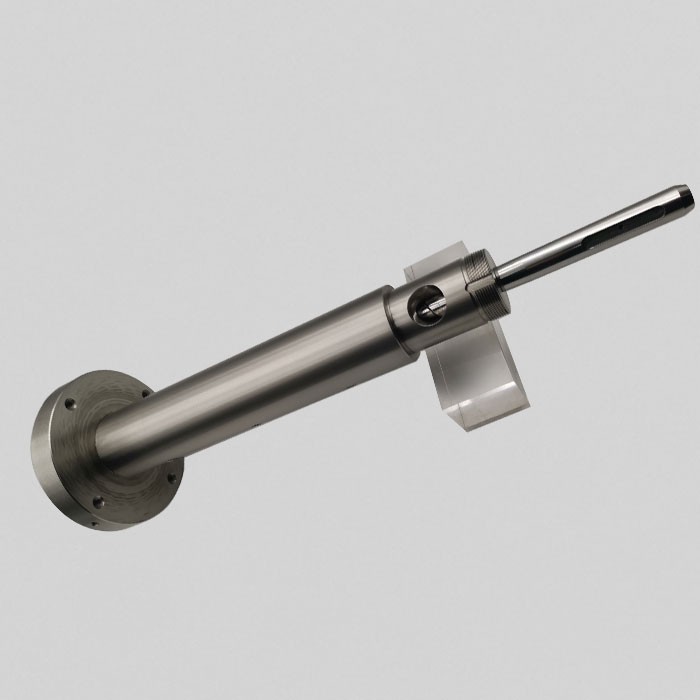
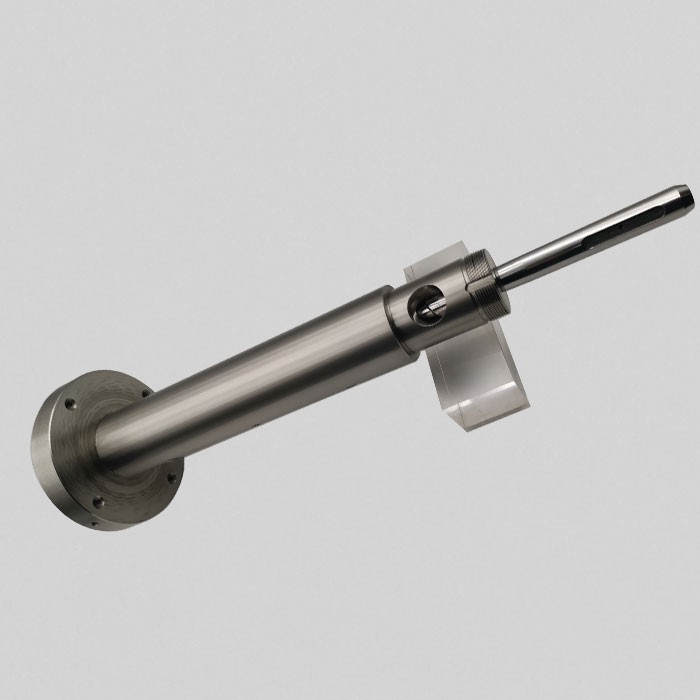
Now, let's talk a bit about how the choice of breaker plate can affect the extrusion process. The size and number of holes in the breaker plate are important factors. Smaller holes will create more backpressure and better filtration but may also reduce the throughput of the extruder. On the other hand, larger holes will allow for a higher flow rate but may not provide as much backpressure or filtration. The pattern of the holes can also influence the mixing and flow characteristics of the material. For example, a plate with a concentric pattern of holes may provide a different flow profile compared to one with a random pattern.
When it comes to the materials used for the breaker plate, they need to be able to withstand the high temperatures and pressures involved in the extrusion process. Stainless steel is a common choice because it is corrosion - resistant and has good mechanical properties. Some breaker plates are also made from hardened alloys for increased wear resistance, especially when processing abrasive materials.
As a barrel screw extruder supplier, we understand the importance of having the right breaker plate for your specific application. That's why we offer a wide range of options to meet different customer needs. Whether you need a breaker plate with a specific hole pattern, size, or material, we can help you find the perfect fit.
If you're in the market for a barrel screw extruder or need to replace your existing breaker plate, you might also be interested in our other related products. Check out our Extruder Bimetallic Barrel, which offers excellent wear resistance and heat transfer properties. Our Extruder Sintered Hard Alloy Barrel is another great option for applications that require high - performance barrels. And if you're looking for a single - screw extruder, our Single Screw Extruder Screw Barrel is designed to provide reliable and efficient operation.
We're here to help you choose the right components for your extrusion process. Whether you're a small - scale manufacturer or a large industrial operation, we have the expertise and products to meet your needs. If you have any questions about the breaker plate or any other part of the barrel screw extruder, don't hesitate to get in touch. We can discuss your specific requirements and provide you with the best solutions. So, if you're thinking about upgrading or purchasing a new barrel screw extruder, reach out to us and let's start a conversation about how we can help you achieve your production goals.
References:
- "Plastics Extrusion Technology" by Allan A. Griff.
- "Handbook of Plastic Extrusion Technology" by E. Mooney.